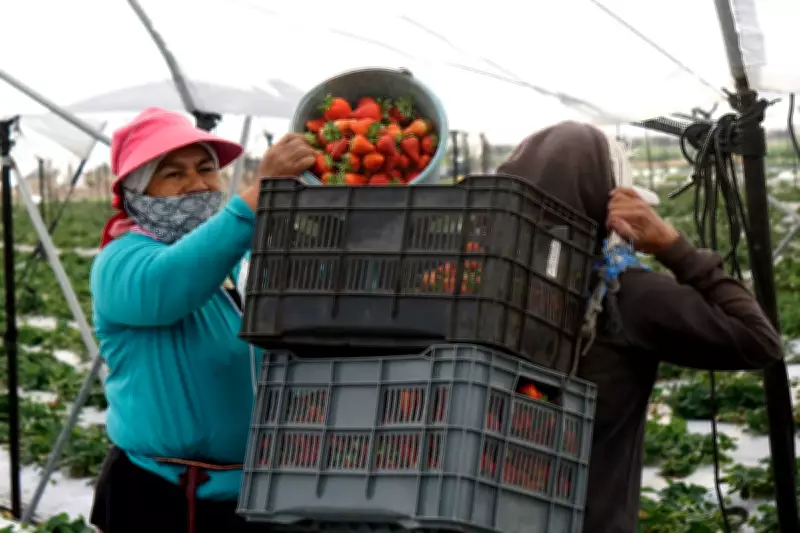
A new report from the Environmental Working Group (EWG) has found that many popular summer fruits are coated with harmful pesticides, including forever chemicals linked to cancer risks. The organization's annual 'Dirty Dozen' list highlights the most contaminated produce, with strawberries topping the list for the first time.
Strawberries Top the Dirty Dozen
Strawberries were identified as the dirtiest fruit this year. Up to 23 different pesticides were detected on a single sample, and 99 percent of samples tested positive for pesticide residues. Bifenthrin, a possible carcinogen, was found on 29 percent of samples, while carbendazim, a hormone disruptor banned in the European Union, was present on 16 percent of samples. Additionally, 84 percent of strawberries contained at least one forever chemical, according to previous EWG data.
Grapes and Stone Fruits Also Contaminated
Grapes ranked second on the list, with at least 80 percent of samples showing residues of forever chemicals. Nectarines came in third, and peaches fourth. A single peach sample could contain up to 19 different pesticides, with 99 percent of samples contaminated. The fungicide fludioxonil, a forever chemical, was found on 90 percent of peach samples and may harm fetal development and disrupt hormones. Propiconazole, a fungicide toxic to the liver and male reproductive system, was found on over 40 percent of samples. Cherries rounded out the top five, with an average of five pesticide residues per sample, including iprodione, a likely carcinogen.

The Full Dirty Dozen List
The EWG tested 47 items, and the Dirty Dozen includes spinach, kale, collard and mustard greens, strawberries, peaches, pears, nectarines, apples, grapes, bell and hot peppers, cherries, blueberries, and green beans. More than half of kale samples were tainted by possibly cancer-causing pesticides.
EWG Science Analyst Varun Subramaniam stated, 'Consumers have a right to know what's on their food. This year's findings underscore the presence of PFAS pesticides in the food supply.' Despite the risks, the EWG advises against avoiding produce, as the health benefits outweigh the exposure risks. However, they emphasize the need for more work to tackle potential dangers.