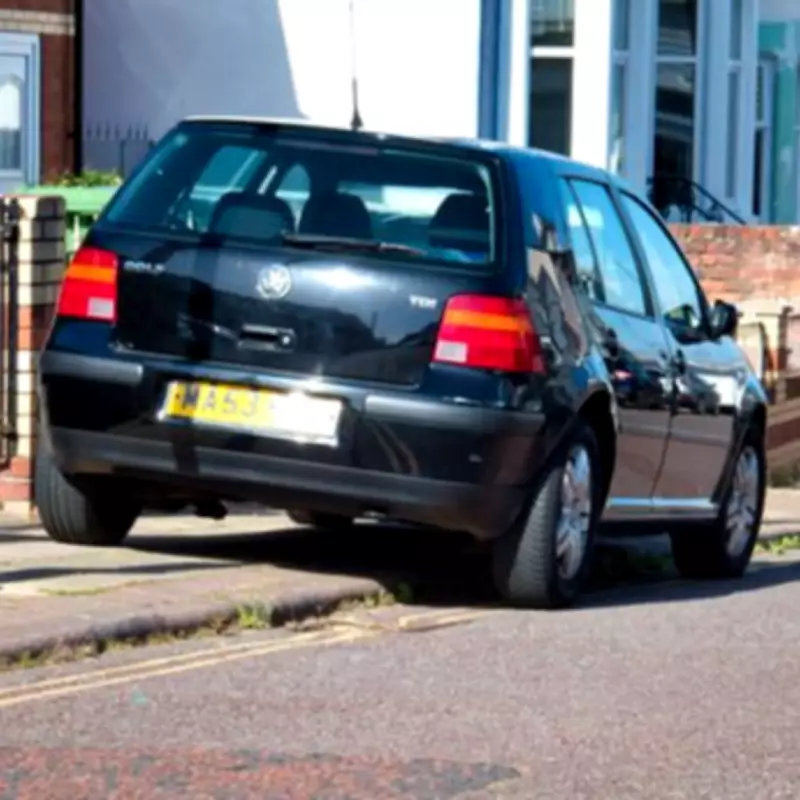
Changes to pavement parking regulations are coming to England, empowering councils to take stronger action against drivers who obstruct pavements. A majority of Britons support these measures, according to recent consultations and surveys.
New Powers for English Councils
The UK Government announced in January 2026 that councils across England will gain extended powers to restrict pavement parking on specific streets and enforce fines against violators. The English Devolution and Community Empowerment Bill, which received royal assent on April 29, enables these changes. However, the government has not provided a precise timeline for implementing secondary legislation, leaving uncertainty about when councils will actively use these powers. Pavement parking is already banned outright in London and Scotland.
Public Support for Action
A government consultation on pavement parking received over 15,000 responses, with 81% of individuals and 96% of organisations identifying it as a problem in their area. Among three proposed options, a national prohibition with local exemptions garnered the most support. The RAC's survey of 1,709 UK drivers in September 2025 found that 83% favoured new rules. Lilian Greenwood MP, Minister for Local Transport, stated: "Pavement parking is an issue that resonates deeply with communities... The government is committed to building safer, more inclusive streets."

Enforcement and Concerns
Currently, only police can fine drivers for obstruction or dangerous parking, while council officers can only penalise breaches of on-road rules like double yellow lines. Under new plans, local transport authorities will be able to prohibit pavement parking and enforce against "unnecessary obstruction." The RNIB's Erik Matthies criticised the approach, noting that vehicles on pavements "force blind and partially sighted people into the road... This is stressful and highly dangerous." He warned that a patchwork of local restrictions could create confusion, especially for those reliant on consistent environments.
Balancing Interests
The RAC's Rod Dennis emphasised that most drivers agree no pavement user should be forced into the road. He supported proposals allowing councils to prevent problem parking while permitting partial pavement parking where it eases traffic flow without inconvenience. Conversely, The AA's Jack Cousens cautioned against blanket bans, recommending street-by-street assessments to avoid displacing parking issues. A Department for Transport spokesperson reaffirmed the goal: "Pavement parking can make it harder for people to get around safely... We're giving local leaders the powers to tackle problem parking in their communities."