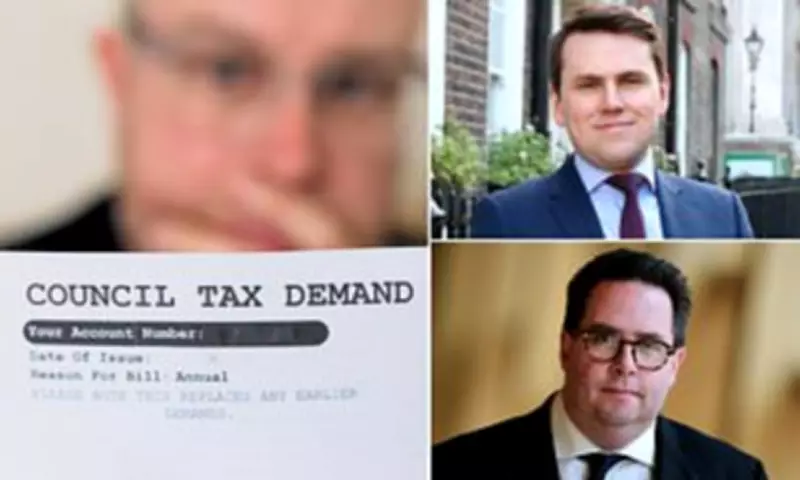
Scottish Councils Prepare to Cancel Nearly £100 Million in Council Tax Arrears
Scotland's financially strained local authorities are gearing up to write off almost £100 million in council tax arrears, according to newly released figures. This move comes as households who consistently pay their bills face the prospect of another round of significant increases this spring, while councils simultaneously reduce essential services.
Massive Debt Provisions Revealed
For the 2024/25 financial year, Scotland's 32 councils have allocated £92.8 million for 'provisions against doubtful debts' – an amount equivalent to funding approximately 2,600 new teaching positions. This substantial sum highlights the scale of unpaid council tax that authorities now consider unlikely to be recovered.
Elliot Keck, campaigns director at the TaxPayers' Alliance, expressed strong criticism of the situation: 'This exposes a deeply unfair council tax system where those who play by the rules are being hammered. Councils have set aside over £92 million to cover doubtful council tax debt, while being given the green light by the SNP to push through yet more hikes. Ministers and councils should focus on collecting what's owed and stop expecting responsible taxpayers to foot the bill.'

Regional Breakdown of Debt Write-Offs
The Scottish Government's recently published council balance sheets reveal significant variations in debt provisions across different regions:
- Glasgow City Council plans to cancel £19.6 million of debt
- Edinburgh Council anticipates writing off £11.1 million
- Aberdeen Council has allocated £7 million for doubtful debts
- North Lanarkshire Council expects to cancel £5.9 million
A dozen councils, including Stirling, Highland, Midlothian, and both East and South Ayrshire, have seen their provisions for bad debt reach record highs. The national total of £92.8 million for 2024/25 approaches the pandemic-era peak of £94 million written off in 2020/21.
Tax Increases Amid Debt Cancellation
Scottish Conservative finance spokesman Craig Hoy highlighted the double burden facing compliant taxpayers: 'It's doubly unfair that those who do pay are having to subsidise those who have defaulted in previous years. We're all paying more but getting less as a result.'
Council tax bills are expected to increase substantially in April, with SNP ministers granting local authorities broad discretion to implement significant hikes. Last year, Falkirk Council imposed a 15.6 percent increase on households while simultaneously cancelling £1.07 million of debt – an 11 percent increase from the previous year's £0.96 million write-off.
Local Impact and Council Responses
The situation in Orkney illustrates the broader pattern: island residents faced a 15 percent council tax increase last April alongside above-inflation rises in charges for school meals, swimming lessons, and football pitch hire. Meanwhile, Orkney Council increased its provision for bad debt by 32 percent to £145,000.
A Glasgow City Council spokesperson explained: 'There are a variety of reasons why sums become difficult to recover over time. Councils can and do continue to collect arrears many years after bills are due. It is vitally important that people who are liable to pay do pay for the services that we all rely on.'
The council tax system generated £4 billion in revenue and associated penalties last year, but £1 billion of that total was lost through various reductions including discounts, exemptions, and arrears classified as 'doubtful'. Local authority umbrella group Cosla did not respond to requests for comment regarding these developments.