Second home owners in Scotland are confronting unprecedented council tax increases, with some facing bills soaring by as much as 500 percent. This dramatic hike follows new legislation granting local authorities unlimited powers to raise premiums on secondary properties, a move designed to address housing shortages and deter speculative ownership.
Midlothian Leads with Steepest Increases
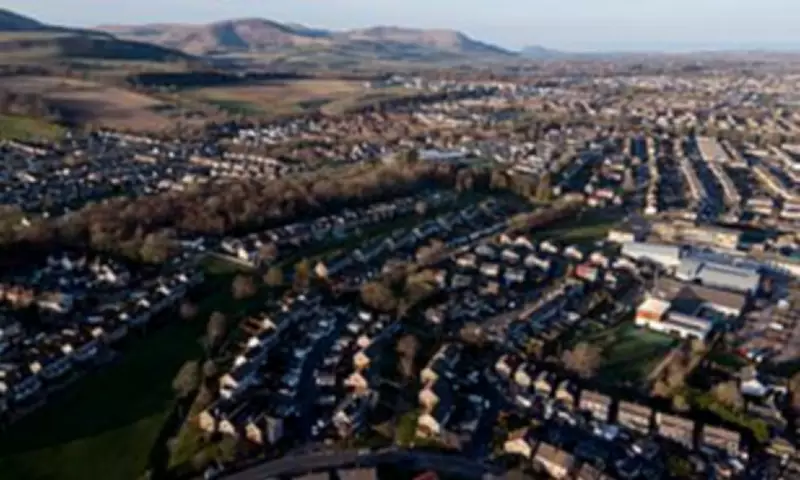
In Midlothian, an SNP-run council has implemented what are believed to be the largest such charges in Britain. Homeowners with second properties could see their annual council tax bills escalate to a staggering £27,863 this year. The premium structure is tiered based on ownership duration, targeting long-term holders most severely.
Tiered Tax Structure Explained
The council has established a graduated system for second home premiums:

- Properties owned for less than two years face a 100 percent premium on their existing council tax bill.
- For ownership between two and three years, the premium rises to 300 percent.
- Second homes owned for more than three years incur the maximum 500 percent increase.
This approach is expected to generate approximately £200,000 in revenue from the county's 35 second homes during the current tax year. The charges took effect on April 1, with council leaders arguing they will help free up properties for local residents struggling to find affordable housing.
Political Backlash and Support
The policy has sparked significant controversy. Megan Gallacher, the Scottish Conservative housing lead, criticized the measures as "eye-watering hikes" resulting from SNP and Green politicians granting councils unlimited taxing authority. She warned that these increases would exacerbate financial pressures during an ongoing cost-of-living crisis, calling the proposal "reckless" for piling additional costs on homeowners.
Conversely, Midlothian Council Leader Kelly Parry defended the policy in February, expressing hope that it would deter second home purchases. She emphasized that while the changes would generate income, the primary goal was behavioral change to address rental supply shortages and escalating property prices.
Broader Scottish Context
Midlothian is not alone in implementing premium increases. Other Scottish councils have adopted similar measures following the introduction of uncapped powers, though none have matched Midlothian's scale. Across Scotland, approximately 20,927 second homes exist, with concentrations highest in the Outer Hebrides and Argyll and Bute regions.
Second homes are officially defined as properties occupied for more than 25 days annually but not serving as a primary residence. The same premium increases apply to empty homes in Midlothian, with calculations based on how long properties remain unoccupied.
Comparative UK Policies
The Scottish approach contrasts sharply with regulations elsewhere in the UK. In England, local authorities can impose a maximum 100 percent premium on top of standard council tax rates. Welsh councils have authority to apply increases up to 300 percent, still significantly lower than Scotland's new unlimited powers.
Expert Criticism and Warnings
Joanna Marchong of the Adam Smith Institute condemned Midlothian's policy as revenue-grabbing rather than targeted housing policy. She cautioned that the council was "taking advantage of new powers to hit second home owners with eye-watering tax hikes," setting a dangerous precedent. Marchong argued that councils should focus on improving internal efficiency and boosting housing supply rather than implementing punitive tax measures.
The debate highlights growing tensions between housing accessibility, local government financing, and property ownership rights across Scotland. As councils exercise their expanded powers, the long-term impacts on housing markets and community dynamics remain uncertain, with potential implications for similar policies elsewhere in Britain.