The Defence Secretary has pledged to back British manufacturers when deciding what equipment the Armed Forces should buy. Britain is in a race to regenerate its defence capabilities ahead of any future conflict with Russia, which sources fear could start this decade.
Healey's Keynote Speech
In a keynote speech, John Healey vowed to 'spend more and spend better' to protect the country and to boost economic growth. His remarks came after allies questioned the UK’s commitment to multinational defence projects. According to reports, Japan is concerned by Britain’s failure to deliver on an overdue £6 billion investment in a stealth fighter jet. While a former Australian Prime Minister issued a withering critique of the AUKUS submarine alliance involving his country, Britain and the United States.
Healey defended Labour's record on the Armed Forces in a keynote speech in London on Tuesday evening. He told an audience in London: 'Families are fed up of being buffeted around by crisis after crisis. Communities see jobs go away and not come back. While you cannot feel hopeful if you don’t feel secure.'

'I believe defence can turn that around. Because under a Labour government rising defence investment comes with a defence dividend that boosts British industry. A ‘Back British’ pledge to boost skills, innovation and productivity. Defence as a byword for opportunity. An engine for growth. An engine for hope.'
Concerns Over International Projects
Healey’s address to the Good Growth Foundation came after the Financial Times reported how Japan is growing anxious about Britain’s commitment to GCAP Tempest. Britain’s failure to put up £6 billion to cover design and development costs was apparently raised on Foreign Secretary Yvette Cooper’s visit to Japan in April. The FT reported the sum is being held up by the Treasury and Labour’s failure to publish its Defence Investment Plan (DIP). The blueprint for UK security spending prioritised should have been published in 2025 alongside the Strategic Defence Review (SDR).
More than 4,000 UK defence manufacturing jobs could be lost should the GCAP Tempest collaboration between Britain, Japan and Italy collapse. The GCAP Tempest is a highly advanced sixth generation fighter jet fully compatible with AI and drones. It is scheduled to enter service in 2035 replacing the RAF’s ageing Typhoon jets.
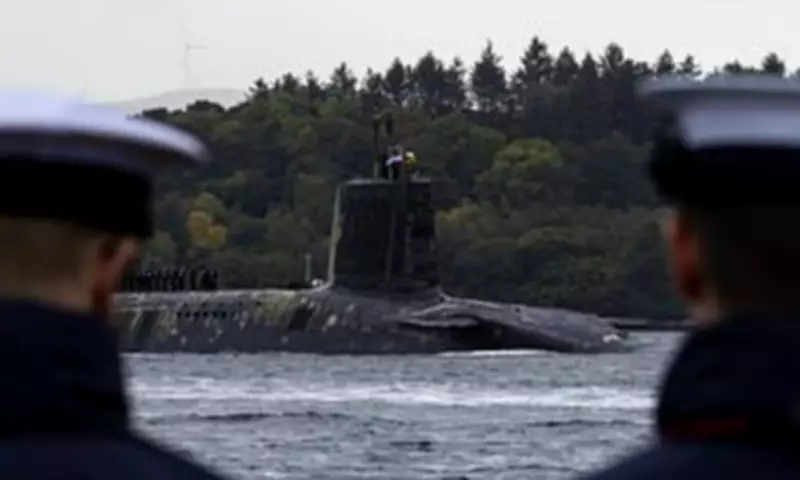
Meanwhile Australia’s former PM Malcolm Turnbull has expressed buyer’s remorse after his country agreed to join Britain and the US in AUKUS. The alliance is intended to combat the rise of Chinese naval power in the Pacific, particularly through increased use of submarines – but neither Britain nor the United States can build enough submarines according to Turnbull. He told the Chatham House military thinktank: 'AUKUS is a submarine deal with no submarines. It was a terribly bad deal, a really stupid deal.'
'The UK shipbuilding industry, particularly the submarine industry, is in complete disarray. Of the Astute class only one can go to sea. Britain needs common defence platforms.' Turnbull regretted Australia’s decision to join AUKUS in preference to an already negotiated agreement with France to collaborate on submarines. He advised Britain to team up with France to build submarines more rapidly and at a lower cost.
Government Response
Healey and First Sea Lord General Sir Gwyn Jenkins have admitted the UK is not building submarines fast enough – resulting in longer patrols and extended life programmes for already overworked boats. Healey revealed today how 13 high-tech UK defence firms have been offered assured funding. He said: 'We have awarded contracts to Britain’s next ‘Defence Unicorns’. The government is acting to back British innovators for the next generation of defence jobs. And I call on private investors to back them too.'
'The defence sector can be a stand out sector for growth, raising wages, productivity and innovation.'