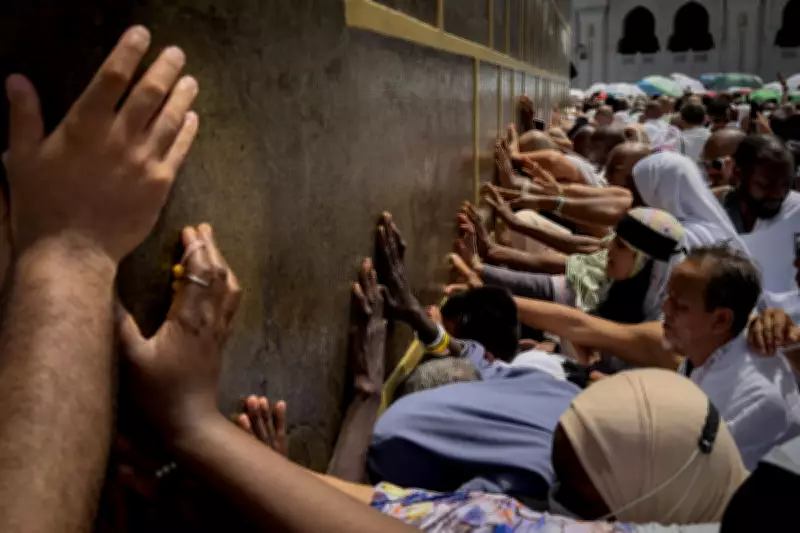
The annual Hajj pilgrimage to Mecca has commenced, drawing millions of Muslims from around the world to Saudi Arabia. This year's event unfolds under heightened security measures, reflecting ongoing regional tensions and the need to manage large crowds safely.
Security and Logistics
Saudi authorities have implemented extensive security protocols, including increased surveillance and crowd control measures, to ensure the safety of pilgrims. The kingdom has also coordinated with international agencies to address potential threats. Health guidelines remain in place following the COVID-19 pandemic, with requirements for vaccination and mask-wearing in certain areas.
Regional Tensions
The pilgrimage occurs against a backdrop of geopolitical strains, particularly involving Iran. Iranian pilgrims are participating this year after a temporary suspension due to previous diplomatic disputes. Saudi officials emphasize that the Hajj remains apolitical, focusing on spiritual unity.

Pilgrims have begun the ritual of circling the Kaaba, the cube-shaped structure in Mecca's Grand Mosque. The five-day journey includes stops at Mina, Arafat, and Muzdalifah, culminating in the Eid al-Adha festival.
Health and Safety
Saudi authorities have set up medical facilities and deployed thousands of healthcare workers to attend to pilgrims. Heatstroke and dehydration are primary concerns, with temperatures expected to exceed 40 degrees Celsius. Pilgrims are advised to stay hydrated and use umbrellas.
The Hajj is a mandatory religious duty for Muslims who are physically and financially able. This year's attendance is expected to approach pre-pandemic levels, with over 2 million participants.