Middle East Enters Critical Phase as Iran Unleashes Retaliatory Strikes
Military analysts are warning that the Middle East has entered its most perilous period since the September 11 attacks, following an unprecedented series of Iranian missile and drone strikes across the region. The retaliatory offensive, launched in response to airstrikes that killed Iran's Supreme Leader Ayatollah Ali Khamenei and four family members, has drawn multiple nations into the escalating Israeli-US conflict with Tehran.
Unprecedented Scale of Military Deployment
The conflict has witnessed historic military mobilizations. Israel deployed more than 200 fighter jets in its largest ever air force operation, striking approximately 500 targets including anti-aircraft batteries and missile launch sites. Meanwhile, Iran's First Vice President Mohammad Reza Aref has threatened "the most devastating offensive operation" against US and Israeli interests.
Iranian forces launched 165 ballistic missiles and 541 bomb-carrying drones in their coordinated assault, with 506 drones reportedly destroyed by defense systems. The attacks specifically targeted five major US military facilities across the region and caused significant disruption to civilian infrastructure.

Chaos Across Gulf States and Beyond
The assault created pandemonium in several countries popular with British tourists and expatriates:
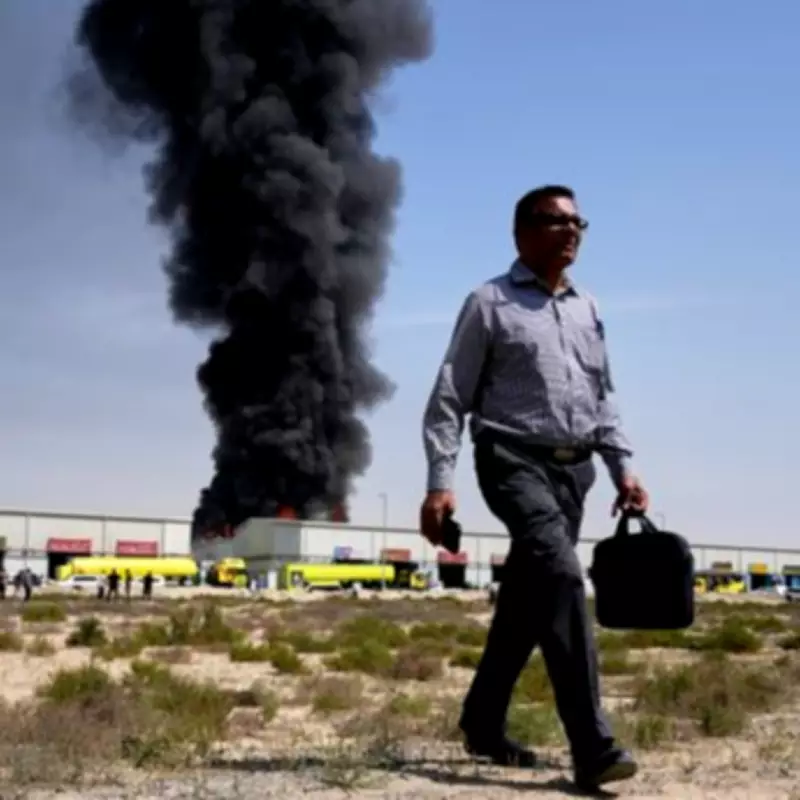
- Dubai: The world's busiest airport sustained damage during missile attacks, injuring four staff members and forcing the evacuation of terminals. Emirates temporarily suspended all operations, while Lufthansa, Air India, Virgin Atlantic and Turkish Airlines announced cancellations. The Fairmont The Palm luxury hotel caught fire after debris fell from the sky.
- Cyprus: The holiday island, visited by 1.3 million Britons annually, became a target due to its British military base and 'Five Eyes' intelligence monitoring station. UK Defence Secretary John Healey confirmed two missiles had been launched toward Cyprus, expressing concern for British Army personnel stationed there.
- Qatar: Smoke rose above Doha as US military compounds were struck. Qatar Airways cancelled numerous flights, stranding passengers including British families. One UK mother described terrifying scenes as drones exploded in the sky above their hotel.
- Bahrain and Kuwait: US military targets were hit in both nations, with Kuwait's Ministry of Health reporting one fatality and twenty injuries from the attacks. Bahrain's airport sustained damage from a drone strike.
- Pakistan: Violent protests erupted at the US Consulate General in Karachi, resulting in six fatalities and injuries to three US Embassy staff members. Security forces used tear gas and batons to disperse crowds of Shiite Muslim protesters.
Regional Travel in Complete Disarray
The attacks have created the most significant disruption to global travel since the COVID-19 pandemic, with approximately 18,000 flights affected on Saturday alone. Thousands of British tourists found themselves stranded in luxury hotels as missiles rained down on popular destinations. The UK Foreign Office advised British nationals to register for updates and remain indoors for safety.
Several countries including Iraq and Jordan closed their airspace entirely, while the United Arab Emirates implemented partial and temporary closures as a precautionary measure. The travel chaos extended beyond commercial flights, with Iran warning that "no ship would be allowed to pass the Strait of Hormuz," threatening approximately 20% of global oil and gas shipments.
International Response and Escalation Fears
UK Defence Secretary John Healey highlighted broader concerns about regional escalation, noting Iran's history of organizing terror plots against the UK and supplying drones to Russia for use in Ukraine. "This is a regime which...can never be allowed to have a nuclear weapon," he emphasized during a Sky News interview.
Despite official confirmations from multiple governments about the attacks, Cyprus government spokesman Constantinos Letymbiotis disputed reports of missiles targeting the island, stating "there is no indication whatsoever that any threat to the country has occurred."

The conflict has drawn in numerous celebrities and public figures, including former football manager Graeme Souness who documented explosions at Abu Dhabi's Zayed International Airport before his flight was cancelled. Television presenter Vicky Pattison was among those caught in the crossfire during the widespread attacks.
As debris continues to fall across multiple nations and military forces remain on high alert, experts fear the situation could escalate further, with Iran vowing additional devastating operations against US and Israeli targets throughout the region.