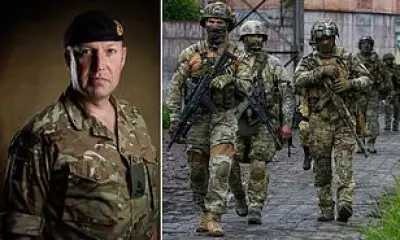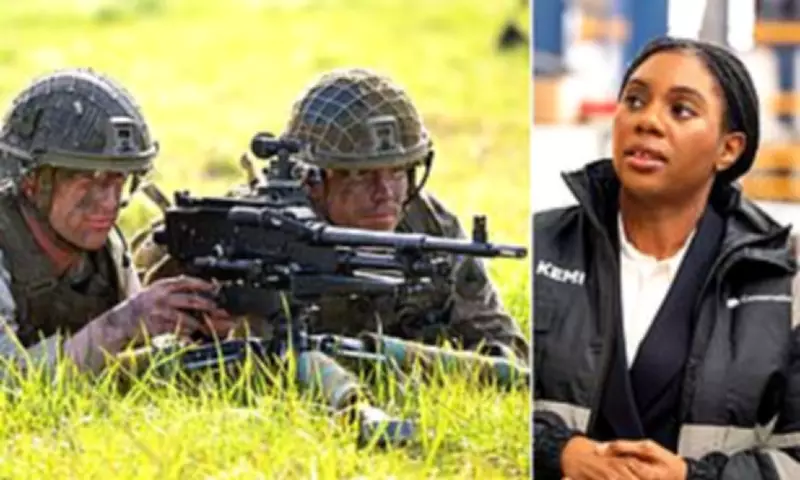
Labour was accused of putting party politics before national security last night after a crucial defence spending blueprint was delayed yet again. Tory leader Kemi Badenoch criticised the Government for continuing to put off the already overdue Defence Investment Plan (DIP).
Accusations of Political Motives
Ministers were accused of postponing decisions until after the Makerfield by-election on June 18 to avoid criticism of cuts to the Armed Forces and exposing divisions within Labour. The DIP – a ten-year vision for the military – should have been published by the Ministry of Defence last year. Instead, in what has been characterised as a damning indictment of Labour's commitment to defence, a minister admitted there was no date for its release.
Timing and International Context
The Makerfield by-election coincides with a Nato defence ministers meeting in Brussels, which comes as concerns grow that the US is disengaging with its European allies, in part due to the failure of member states like Britain to increase defence spending significantly. As a percentage of GDP, UK defence spending lags behind Baltic states and Poland. Britain spends 2.6 per cent on defence – a figure Labour has pledged to increase to 2.7 per cent next year.

Political Fallout
Labour's failure to publish the DIP before the by-election could cost Greater Manchester Mayor Andy Burnham votes as he tries to makes his national comeback. There is already a febrile atmosphere at the MoD following a bust-up between Defence Secretary John Healey and Armed Forces minister Al Carns over the latter's leadership ambitions. The Daily Mail has learned that Mr Carns has been excluded from top-level discussions of the DIP.
Last night, Mrs Badenoch said: 'Labour are so distracted by their own civil war that they have failed to do the serious work needed to keep Britain safe.' She accused the Government of putting 'fringe causes, benefits spending and party politics before defence of the country'.
Key Decisions and Financial Constraints
The DIP is expected to set out key decisions such as Britain's commitment to an international alliance building a stealth fighter jet, more frigates and submarines and uncrewed air, sea and land-based systems. But insiders say Chancellor Rachel Reeves is reluctant to commit limited revenues to higher defence spending. Any cuts to equipment purchases published in last year's Strategic Defence Review (SDR) could cause rows within Labour and anger among senior officers.
Publication of the DIP is expected to coincide with confirmation of an £18billion increase in defence spending to prepare the UK for possible conflict with Russia. However, that is still regarded as being £10billion shy of what is required to cover a shortfall in defence investment.
Expert Criticism and Government Response
Former Nato secretary general George Robertson, who was hired by Mr Healey to draft the SDR, has accused the Government of 'corrosive complacency' over defence. His comments were echoed by General Sir Richard Barrons, who was also involved in drafting the SDR. Yesterday, pensions and Treasury minister Torsten Bell insisted Labour wanted the DIP 'to come out as soon as possible', adding: 'We have to get the details right.'
This paper backs higher defence spending through its Don't Leave Britain Defenceless campaign.