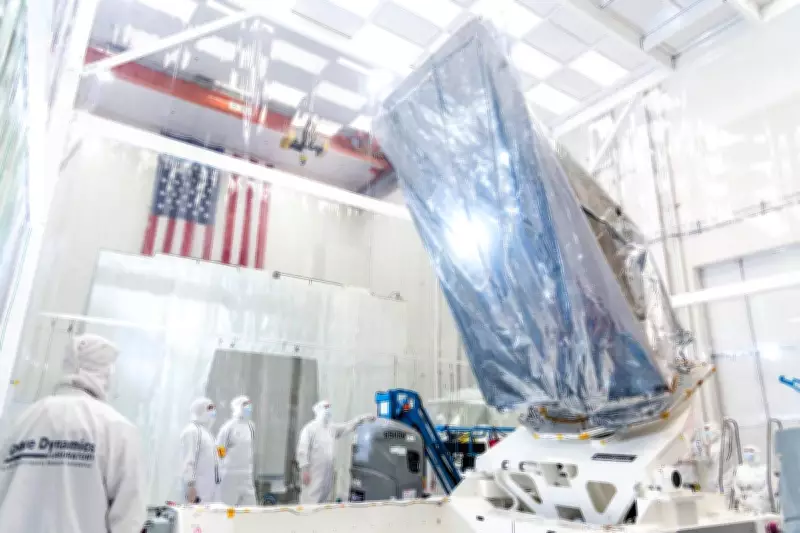
NASA is currently testing its next-generation Near-Earth Object Surveyor (NEO Surveyor) infrared space telescope, a mission specifically designed to detect potentially hazardous asteroids and comets that could pose a threat to Earth. Scheduled for launch no sooner than September 2027, the telescope will operate for a minimum of five years from a vantage point one million miles away from our planet.
Mission Objectives
The primary goal of NEO Surveyor is to identify 90 per cent of near-Earth objects (NEOs) with a diameter of at least 460 feet within a decade. Astronomers have currently catalogued fewer than half of the estimated existing 'city-killer' asteroids—those large enough to cause significant regional damage upon impact.
Infrared Technology
Utilising advanced infrared technology similar to that of the James Webb Space Telescope, NEO Surveyor will detect the heat emitted by sun-warmed asteroids. This capability makes even dark, hard-to-see objects visible, vastly improving detection rates compared to visible-light telescopes.

Current Threat Assessment
While there are no immediate threats from known asteroids, the mission is a proactive step in planetary defence. NASA's Office of the Inspector General has identified areas for improvement in the Near-Earth Object Observations Programme, noting that funding for NEO Surveyor has been reduced. Despite these challenges, the telescope remains a critical component in safeguarding Earth from potential impacts.