The chief executive of Rolls-Royce has publicly welcomed the prospect of Germany joining Britain's ambitious next-generation fighter jet programme, arguing that such collaboration would significantly boost business opportunities and strengthen the project's international standing.
Open Invitation for German Partnership
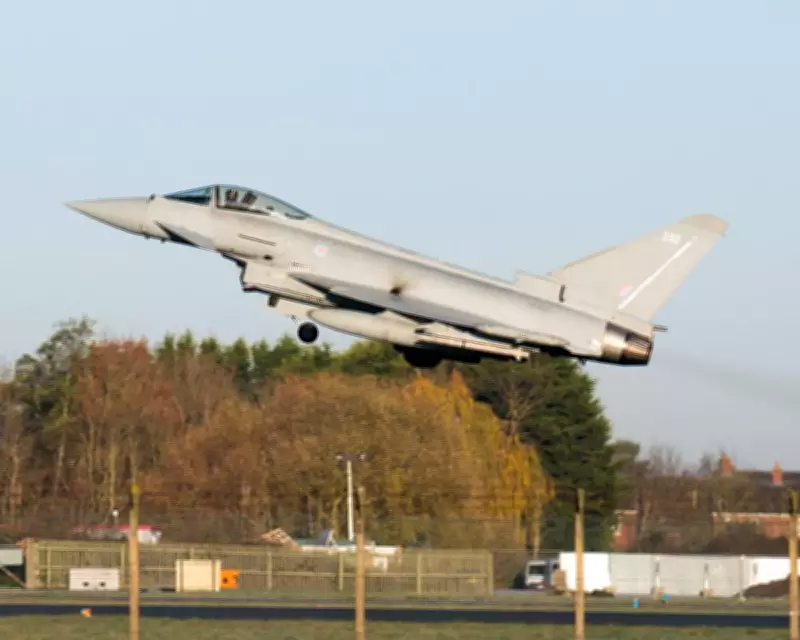
Tufan Erginbilgiç, who has led the prestigious engineering firm since 2023, told the Guardian he would "definitely be open" to German participation in the Global Combat Air Programme (GCAP), also known as Tempest. This advanced aircraft is specifically designed to replace the current Eurofighter Typhoon and represents a major joint venture between the United Kingdom, Italy, and Japan.
"We already work with Germany extensively," Erginbilgiç explained, highlighting Rolls-Royce's substantial operations at their Dahlewitz facility near Berlin, where they manufacture business aviation engines for civil aerospace. "But the GCAP benefit will extend far beyond our existing collaborations. More countries joining means more countries will certainly purchase the aircraft, because you cannot be a partner and not buy."

Geopolitical Considerations and Government Decisions
The Rolls-Royce CEO emphasised that the ultimate decision rests with government authorities rather than commercial entities. "It is the government's decision, not mine or any commercial company," Erginbilgiç stated. "Depending on how geopolitics and other factors develop, Germany joining continues to be a genuine possibility."
This statement comes amid growing speculation about Germany's potential involvement in GCAP following significant difficulties in its separate fighter jet project with France. The Franco-German Future Combat Air System (FCAS) has encountered substantial delays and disagreements between the primary contractors: France's Dassault Aviation and Airbus's German-based defence division.
Rival Programme Struggles Create Opportunities
The Franco-German initiative has stalled due to fundamental disagreements between the partner nations. In February, German Chancellor Friedrich Merz indicated that the proposed warplane did not align with Germany's specific military requirements. Merz clarified that while France needed a nuclear-capable fighter, Germany did not, describing the disagreement as technical rather than political.
Meanwhile, Britain has signalled willingness to accept new partners into the GCAP programme, though defence experts caution that expanding the partnership could potentially slow development of the aircraft, which is scheduled to enter service by 2035. Ministers have already postponed signing a trilateral contract for the programme, a delay connected to the publication of a long-awaited defence spending plan.
Defence Spending and Economic Benefits
European governments are currently accelerating defence expenditure in response to heightened security threats from Russia, with former US President Donald Trump urging the continent to assume greater responsibility for its own security. Erginbilgiç argued that increased defence spending and enhanced production capabilities serve dual purposes: strengthening national security while simultaneously boosting commercial exports.
"Today the UK exports Eurofighters," the CEO noted. "If you don't maintain that advanced manufacturing capability, how can we continue exporting such sophisticated aircraft? It's fundamentally impossible. We must recognise that defence programmes like GCAP don't just provide military security—they drive substantial economic growth and develop technologies with valuable applications in civil aerospace."
Financial Performance and Market Context
Erginbilgiç made these comments following Rolls-Royce's announcement of a remarkable 40% profit increase last year, driven by the company's ongoing turnaround strategy and surging demand for power solutions from data centres. Defence industry analysts suggest that escalating tensions in the Middle East, particularly the US-Israel conflict with Iran, could further boost defence company share prices when markets reopen.

A UK government spokesperson confirmed: "Together with our partners Japan and Italy, we remain open to other nations joining the Global Combat Air Programme while maintaining our commitment to the programme schedule and delivering essential future military capabilities."
The potential German involvement in Britain's Tempest project represents a significant development in European defence cooperation, potentially reshaping the continent's aerospace industry landscape while addressing pressing security concerns through advanced technological collaboration.