Royal Navy in Most Critical State in 60 Years, Warns Former Chief
The Royal Navy is currently in the most "parlous state" it has experienced in six decades and fails to "deliver what the nation needs", according to a former chief of the naval service. Lord West of Spithead has voiced these concerns, adding to growing criticism over the United Kingdom's limited military presence in the Mediterranean region, particularly in defence against potential Iranian attacks.
Deployment of HMS Dragon and Operational Challenges
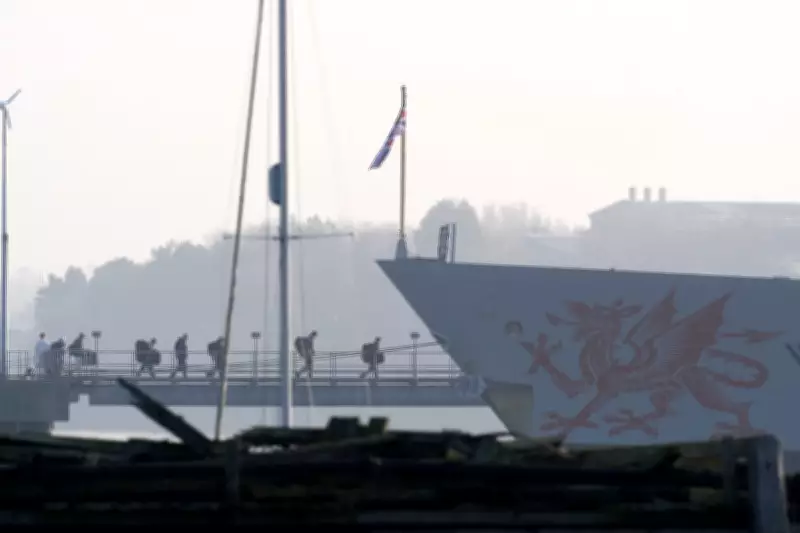
In response to a recent drone strike on RAF Akrotiri in Cyprus, Prime Minister announced the deployment of HMS Dragon to protect British military personnel stationed there. As a precautionary measure, families of service members have been relocated from the area. The vessel will be accompanied by two Wildcat helicopters equipped with Martlet missiles, specifically designed to counter drone threats.
However, this move has sparked debate, with some observers suggesting the UK's decision to establish a presence in the Mediterranean has been too slow. Questions have been raised regarding the country's overall capability to deploy vessels on operations effectively.

Lord West's Stark Assessment
On Wednesday, Lord West provided a blunt assessment to the Press Association, stating that the Royal Navy is "too small" and has "not been looked after properly". He elaborated, "The bottom line is the Navy's in a more parlous state than at any stage in the 60 years I've been on the active list. It's too small, it's not been looked after properly, there's been insufficient funds spent on it, and I'm afraid it doesn't deliver what the nation needs."
HMS Dragon, one of the UK's six Type 45 destroyers each costing approximately £1 billion, is tasked with combating aircraft and missile attacks and carries a crew of over 200. Currently, three of these destroyers are undergoing refits, while another is in maintenance, highlighting operational constraints.
Broader Fleet Issues and International Comparisons
The Royal Navy's challenges extend beyond destroyers. The UK's two aircraft carriers, HMS Queen Elizabeth and HMS Prince of Wales, each with a capacity for up to 72 aircraft and valued at around £3 billion, are both undergoing maintenance. Additionally, the only Astute Class nuclear-powered attack submarine not in maintenance, HMS Anson, recently arrived in Australia on February 23, further stretching resources.
When questioned by broadcasters, Chief Secretary to the Treasury James Murray defended the UK's actions, insisting that defensive capabilities have been strengthened in recent weeks. He told Times Radio, "What's important is that we have been prepared in the build-up toward this and that we now step up and make sure we have the defensive capability there."
Despite these assurances, the UK's response to the drone strike appears modest compared to France's deployment. France sent its flagship nuclear-powered aircraft carrier, the Charles de Gaulle, to the region, along with its air wing and escorting frigates. French President Macron cited the attack on the British base in Cyprus, noting that Rafale fighter jets, air defence systems, and airborne radar systems have been deployed in the Middle East since US offensive operations began.
This disparity underscores broader concerns about the Royal Navy's readiness and funding, as highlighted by Lord West's warnings. The situation calls for urgent attention to ensure the navy can meet its defence obligations and maintain national security in an increasingly volatile global landscape.