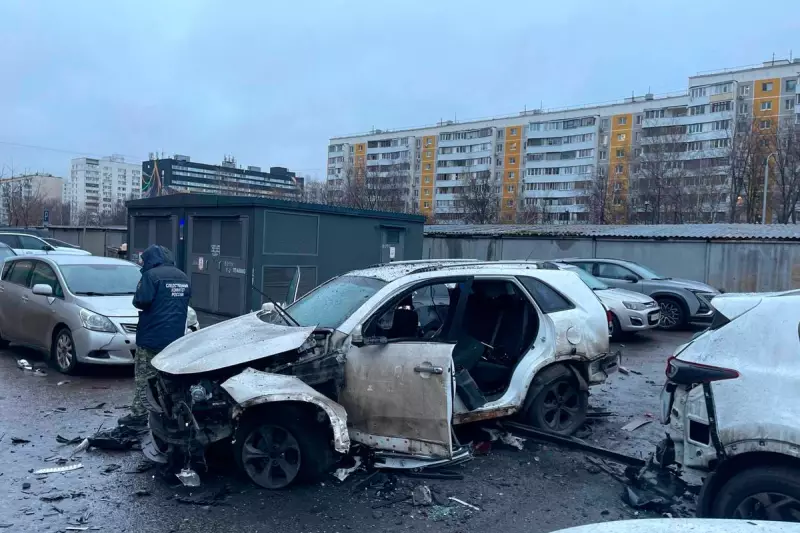
A high-ranking Russian military commander has been assassinated in the capital after an explosive device detonated beneath his vehicle, in a brazen attack that points to a significant escalation in covert operations.
Details of the Assassination
The attack occurred on the morning of Monday 22 December 2025. Lt. Gen. Fanil Sarvarov, who served as the head of the Operational Training Directorate within the Russian Armed Forces' General Staff, was the target. The car exploded at approximately 7 a.m. in a parking lot on Yaseneva Street, located in the southern districts of Moscow.
Official spokesperson for Russia’s Investigative Committee, Svetlana Petrenko, confirmed that the general succumbed to his injuries sustained in the blast. The driver was inside the vehicle at the time of the explosion.

Investigation Points to Ukrainian Involvement
Russian authorities have swiftly indicated they believe foreign actors were behind the killing. Petrenko stated that investigators are pursuing multiple lines of enquiry, but highlighted one primary theory. "One of these is that the crime was orchestrated by Ukrainian intelligence services," she said.
This incident bears a striking resemblance to an attack from the previous year. In December 2024, Ukraine’s security service claimed responsibility for a similar operation that killed Lt. Gen. Igor Kirillov, the chief of Russia’s nuclear, biological and chemical protection forces. In that case, a bomb was concealed on an electric scooter outside his apartment building. His assistant, Ilya Polikarpov, also died in that attack, which came a day after Kyiv had levelled criminal charges against Kirillov.
Implications and Context
The assassination of a senior figure like General Sarvarov in the heart of Moscow represents a severe security breach and a major propaganda blow to the Kremlin. It underscores the increasingly audacious nature of covert warfare extending far beyond the front lines in Ukraine.
As the investigation continues, this event is likely to intensify rhetoric from Moscow and could prompt claims for retaliatory measures. The attack highlights the persistent and deepening conflict between the two nations, where conventional battlefield engagements are now paralleled by shadowy intelligence operations reaching into Russia's most secure urban centres.