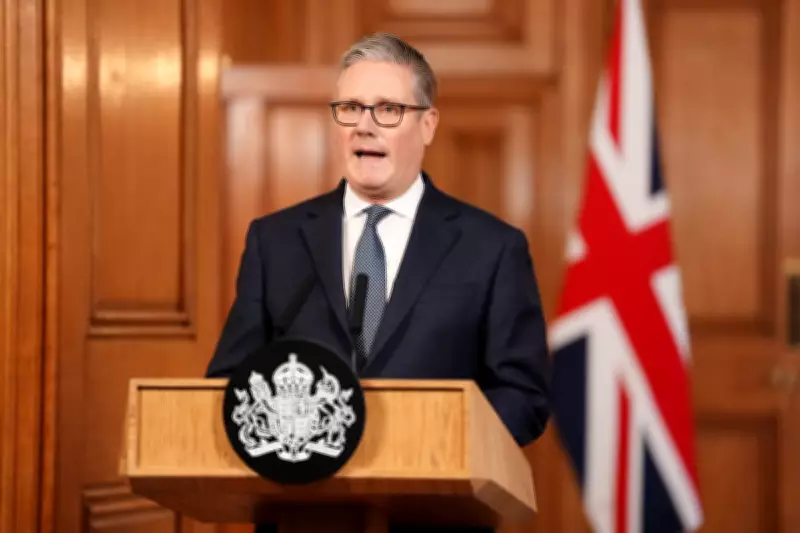
In a significant development, Prime Minister Sir Keir Starmer has announced that the United Kingdom has granted permission for the United States to utilise British military bases for defensive strikes targeting Iranian missile sites. This decision, confirmed in a statement on Sunday evening, underscores the UK's commitment to regional security and the protection of British citizens abroad.
Defensive Operations and Legal Justification
Starmer emphasised that the move is part of coordinated defensive operations, with British aircraft already having successfully intercepted Iranian strikes. He stated, "Our partners in the Gulf have asked us to do more to defend them, and it's my duty to protect British lives. We have British jets in the air as part of these operations, but the only way to stop the threat is to destroy the missiles at source, in their storage depots or launchers." The Prime Minister added that the basis for this decision lies in collective self-defence of longstanding allies and safeguarding British lives, asserting it aligns with international law, with a summary of legal advice to be published.
US Objectives and Regional Impact
US President Donald Trump has indicated that military operations will persist until all US objectives are met, potentially lasting up to four weeks. Starmer explained that granting access to British bases aims to prevent Iran from firing missiles across the region, which could kill innocent civilians, endanger British lives, and affect uninvolved countries. He noted, "The United States requested permission for this specific and limited defensive purpose. We accepted to halt missile threats and protect our interests."

This agreement highlights the ongoing strategic partnership between the UK and US, focusing on defensive measures amid escalating tensions. The decision follows requests from Gulf partners for enhanced defence support, reflecting broader geopolitical dynamics in the Middle East.