Labour Government Confronts Potential Backbench Rebellion Over SEND Support Reforms
Sir Keir Starmer's administration could be staring down the barrel of yet another significant backbench rebellion following the leak of controversial plans to dramatically scale back support for children with special educational needs and disabilities. The proposed reforms, which aim to curb rapidly escalating public spending, have ignited fierce criticism from opposition figures, advocacy groups, and concerned Labour MPs alike.
Leaked Proposals Outline Major Restructuring of Support System
According to confidential documents obtained by media outlets, the government intends to implement a fundamental restructuring of the SEND framework beginning in the 2029-2030 academic year. Under these leaked plans, pupils transitioning from primary to secondary school would face mandatory reviews of their special needs support provisions. Furthermore, children with less complex needs—including many diagnosed with ADHD and autism spectrum conditions—would no longer qualify for costly Education, Health and Care Plans.
These EHCPs currently provide legally enforceable entitlements to additional educational support, but the proposed changes would reserve them exclusively for children deemed to have the most severe and complex needs. Other pupils would instead receive 'individual support plans' with their needs categorised under new 'targeted' and 'targeted plus' classifications—a move critics argue significantly weakens legal protections for vulnerable learners.

Political Backlash and Criticism from Advocacy Groups
Shadow Education Minister Saqib Bhatti launched a scathing attack on Labour's approach, characterising it as 'completely chaotic' and warning that it is generating 'unnecessary confusion and worry for children, families and teachers across the country.' Peter Watt of the National Autistic Society echoed these concerns, suggesting the manner in which the plans were leaked demonstrated 'disrespect and lack of compassion' toward parents of children with special educational needs.
'Any weakening of families' rights to challenge decisions when their child is not receiving the support they need to attend and learn in school will be completely unacceptable,' Watt stated emphatically. The Children's Commissioner, Dame Rachel de Souza, added her voice to the criticism, branding it 'ridiculous' that children with lifelong disabilities requiring continuous support must repeatedly fight to secure appropriate educational plans.
Internal Labour Tensions and Financial Pressures
Despite a recent charm offensive by Labour ministers aimed at placating potentially rebellious backbenchers, several MPs have indicated the government must do substantially more to address mounting concerns. Labour MP for Thurrock Jen Craft told reporters the leaks were 'deeply unhelpful' and would 'only cause more anxiety' for parents and carers, including herself as a parent of a child with special needs.
While expressing cautious optimism about broader reform intentions, Craft called for continued engagement from the Department for Education and demanded 'legal backstops and guarantees for better support.' Another Labour backbencher revealed that SEND reforms have been 'the number one issue' for colleagues since the party entered government, with MPs now 'bracing for what the whole package looks like' before determining their next political moves.
Systemic Challenges and Proposed Funding Changes
The push for reform comes against a backdrop of severe financial strain, with approximately four in five local authorities facing potential bankruptcy due to skyrocketing special educational needs costs. The number of children with EHCPs has nearly doubled since 2016, placing unsustainable pressure on council budgets.
Under the current system, local authorities cover SEND provision costs, with mainstream schools contributing the first £6,000 of each pupil's support package. Labour's proposed reforms would shift this financial burden entirely to schools, which would become responsible for meeting all special educational needs—though the government has pledged additional funding to help institutions train and hire necessary staff.

Wider Educational Reforms and Expert Opinions
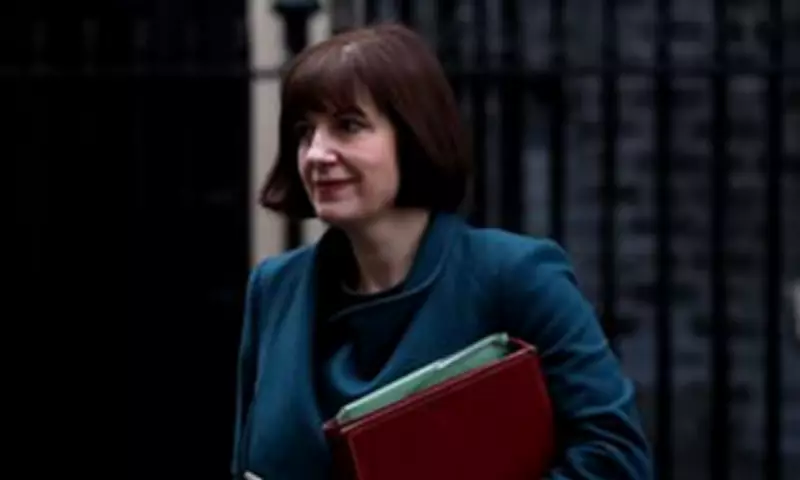
Education Secretary Bridget Phillipson, who previously implemented a VAT tax on private schools that has led to over 100 closures since Labour took power, is also expected to announce caps on the amount such schools can claim from local councils for each pupil. Campaign group Save Our Children's Rights has already condemned the anticipated reforms as an 'absolute disaster,' warning that limiting access to EHCPs could leave 'some children and young people with no legally enforceable right to an accessible education that meets their needs.'
However, not all voices have been critical. Former education secretary Lord Blunkett expressed his 'entirely supportive' stance regarding the need for radical system updates, telling media outlets: 'The alternative to careful and positive change following full consultation is to let the system simply fall apart. No one would benefit from that outcome.'
The Department for Education has defended its approach, stating the reforms aim to create 'a better system for all families' while acknowledging the current framework 'serves children badly.' Dame Rachel de Souza concurred that 'no child should lose the support they currently receive' while simultaneously recognising the existing system's profound shortcomings.