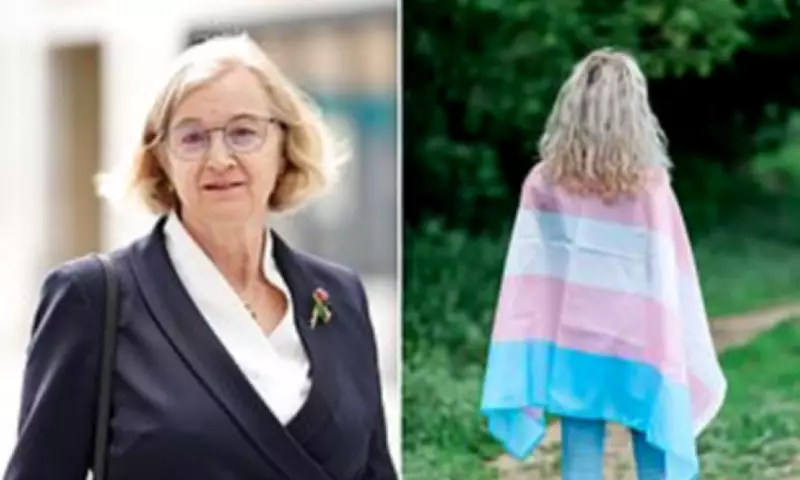
Former Ofsted Head Raises Alarm Over Labour's Gender Guidance
Parents could be deliberately kept unaware when their children seek to change gender identity under Labour's newly proposed school regulations, according to a stark warning from a former chief inspector of schools. Baroness Spielman, who led Ofsted in England from 2017 until 2023, has highlighted significant concerns about potential loopholes within the long-awaited draft guidance published by the Department for Education.
Loopholes and Parental Exclusion Risks
Speaking on BBC Radio 4's Today programme, Baroness Spielman expressed apprehension that pupils might exploit provisions in the guidelines to prevent their families from discovering they are using different names or pronouns in educational settings. "There's far too much leeway for schools unilaterally to decide to permit a child to transition while keeping it secret from their parents," she stated emphatically.
The guidance, which addresses how schools should support gender-questioning children, does stipulate that parents should typically be informed if their child wishes to socially transition—a process involving changes to name, pronouns, or uniform. However, it crucially includes an exception allowing schools to withhold this information if teachers believe disclosure "would constitute a significant risk of harm to the child."

Baroness Spielman warned this could lead to children being coached by peers, activists, or online influencers to claim they feel unsafe at home, thereby pressuring schools to facilitate secret transitions. "There'll be a bit of an industry here in coaching children in what to say to your school to make sure they don't tell your parents," she cautioned, suggesting this could create damaging divisions between families and educational institutions.
Political Criticism and Policy Comparisons
The controversy has drawn sharp criticism from Conservative leader Kemi Badenoch, who branded the guidelines "madness" for diluting stricter proposals she developed while serving as Equalities Minister. Badenoch highlighted that her original version included a complete ban on primary schools allowing young pupils to adopt opposite-sex pronouns, a provision notably absent from Labour's current draft.
"It opens the door to primary school children being socially transitioned. Some as young as four. This is madness," Badenoch declared, expressing particular concern about the removal of the presumption that parental consent must be obtained. While acknowledging Labour for avoiding "activist language" and clarifying that schools must follow Supreme Court rulings on single-sex spaces, she argued the guidance still prioritises appeasement over clarity.
Complex Considerations and Potential Consequences
Baroness Spielman further elaborated on the complexities schools might face, noting that children with autism or mental health challenges could be particularly affected. Schools might believe they are helping alleviate gender dysphoria by permitting social transition, but this approach could inadvertently exacerbate family tensions. "This could drive huge wedges between schools and parents in some of the most difficult cases," she warned, emphasising that such decisions should never be made without parental knowledge and agreement.
The former Ofsted chief reiterated that the guidance should explicitly state parental involvement as mandatory, rather than presenting it as optional under certain circumstances. Her comments underscore broader debates about balancing child welfare, parental rights, and educational responsibilities in sensitive matters of gender identity.
As the Department for Education's draft undergoes consultation, these warnings highlight the contentious nature of policies affecting young people's gender expression and the critical role of family communication in educational support systems.