Education Secretary Sparks Debate Over Gender Identity in Primary Schools
Education Secretary Bridget Phillipson has ignited a fierce political debate by suggesting that boys should be permitted to wear dresses to school as part of exploring their gender identity. The comments, made during a radio interview, have drawn sharp criticism from opposition parties and raised questions about the government's approach to sensitive issues in education.
Phillipson's Comments on LBC Radio
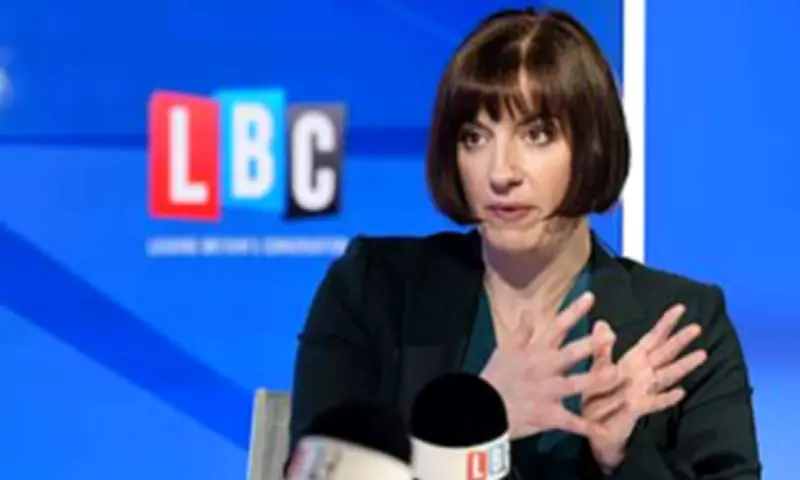
During an appearance on LBC Radio's Call the Cabinet show on Tuesday morning, Ms Phillipson was questioned about whether five-year-old children should be allowed to identify as the opposite sex. Her response emphasized a cautious approach in primary school settings while advocating for flexibility.
'We've been clear that in primary schools, we need to tread with a lot of care,' she stated initially. When pressed further about parental involvement, she explained, 'Well, this was usually where it involves a parent's decision to support their child in that way.'

The Context of New Trans Guidance
These remarks came shortly after her department published long-awaited transgender guidance for schools, which significantly modifies previous Conservative proposals. The original Tory plans would have prohibited primary schools from changing pupils' pronouns, but the new guidance adopts a more permissive stance.
Ms Phillipson referenced Baroness Cass's landmark review of gender identity services for young people, arguing that allowing children to explore their identity in non-harmful ways could reduce medical interventions later. 'So if a boy wants to wear dresses, we should just... if we allow that to work. Children will experiment at different points. They will consider who they are,' she said.
She advocated for a 'watchful approach' rather than strict enforcement, suggesting this could prevent children from moving toward 'a more medicalised model.' However, she clarified that such situations would be 'exceptionally rare' in primary schools and emphasized that parents should be involved in all significant decisions unless safeguarding concerns exist.
Political Backlash and Opposition Responses
The comments prompted immediate criticism from Conservative and Reform UK figures. Shadow Equalities Minister Claire Coutinho stated firmly, 'The Conservatives have been clear, we do not think it is right to allow primary school pupils to socially transition.'
She argued the issue extends beyond clothing choices, saying, 'This is not as simple as letting boys wear skirts; it's about people in positions of authority lying to young children, telling them they can change sex at an age when they are too young to grasp the realities and concepts involved.' Coutinho emphasized the need to protect childhood, asserting that adult decisions should not be made by children.
Reform UK's equalities spokesman Suella Braverman delivered even stronger condemnation, declaring, 'A Reform UK government would ban social and gender transitioning absolutely in all schools.' She accused Labour of 'facilitating and entertaining this dangerous ideology,' calling it 'sickening for parents who just want schools to be a place of learning rather than indoctrination.'
Broader Implications for Education Policy
This controversy highlights the ongoing national conversation about how schools should handle gender identity issues, particularly with young children. The debate touches on fundamental questions about parental rights, child development, and the role of educational institutions in shaping identity.
Ms Phillipson's remarks and the subsequent backlash illustrate the deep political divisions surrounding this topic, with significant implications for future education policy and safeguarding practices in schools across the country.