Phillipson Presents Ambitious Special Needs Education Overhaul
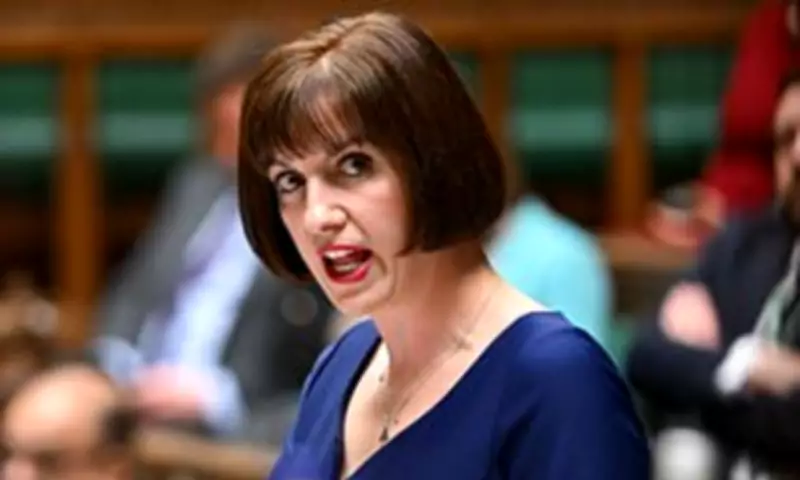
Education Secretary Bridget Phillipson delivered a significant policy statement in the House of Commons, outlining her government's expensive and complex reforms to the special educational needs and disabilities (SEND) system. The presentation was marked by a notable shift in her usual combative demeanor, as she attempted to project a more positive and visionary tone.
A Surprising Display of Optimism
Observers noted Phillipson's unusual approach at the despatch box. Before beginning her statement, she displayed nervous mannerisms reminiscent of a boxer preparing for a fight. However, once she started speaking, her facial muscles relaxed into what witnesses described as a hesitant, unfamiliar smile. This unexpected display of positivity created a striking contrast to her typically more aggressive parliamentary style.
The Education Secretary outlined an ambitious vision for Britain's educational future, describing a utopian landscape where every child would have access to an excellent local school. She promised that special needs experts would be available in every classroom and that parents would no longer need to battle with educational authorities to secure appropriate support for their children.

Substantial Financial Commitments and Policy Details
Phillipson announced significant financial commitments to support her reforms, including a four billion pound increase in education funding and enhanced maternity pay for teachers. Her central promise was to halve the disadvantage gap within the education system and create what she termed "the society of tomorrow."
The reforms include several key initiatives:
- A new national experts talent initiative
- A comprehensive national conversation about educational needs
- A reasonable adjustment framework for special needs provision
- Extensive new training programs for educational staff
- A smooth transition plan leading to full implementation by 2030
Political Reactions and Criticism
While most Labour MPs appeared supportive of Phillipson's proposals, Reform Party MP Suella Braverman emerged as the primary dissenting voice. Braverman criticized the lengthy implementation timeline, arguing that improvements were needed immediately rather than years in the future. Her skepticism was met with disapproval from other members of the Commons.
Phillipson did not completely abandon her partisan rhetoric, taking the opportunity to criticize both the previous Conservative government and private schools. She argued that "class and connections" should not determine educational outcomes and accused independent schools that accept special needs pupils of "sucking money out of our education system into profit."
Teacher Concerns and Practical Challenges
The proposed reforms raise questions about their practical implementation and reception among teaching professionals. Critics point to existing bureaucratic burdens within the special needs system, citing examples of teachers having to create multiple lesson plans for individual classes to accommodate diverse needs.
One anecdote shared during the debate highlighted how excessive administrative requirements have driven some educators from the profession, with one former teacher reportedly emigrating to find a less bureaucratic educational environment.
Broader Political Context
The education debate occurred against a backdrop of ongoing internal Labour Party tensions. Earlier in the parliamentary session, questions were raised about an ethics probe involving Josh Simons, the minister for public sector ethics, who previously ran the Labour Together organization.
Left-wing Labour backbenchers expressed significant discontent with the Starmer leadership during this discussion, with several members using strong language to criticize what they perceived as ethical lapses within the party's upper echelons. This internal dissent highlights the continuing divisions within the Labour Party as it attempts to implement its educational agenda while managing internal political dynamics.