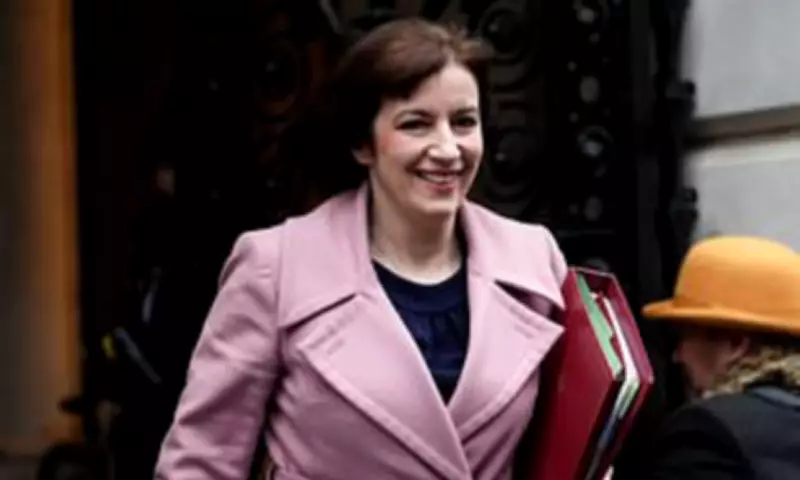
Education Secretary Unveils Sweeping School Funding Reforms
Education Secretary Bridget Phillipson has pledged radical reforms to school funding in a bold move designed to sever the connection between a child's background and their academic success. The plans, unveiled yesterday, will channel greater investment into schools that support the most disadvantaged pupils, directly targeting what officials have termed the 'disadvantage gap'.
Overhauling the Pupil Premium System
Ahead of the publication of the schools' White Paper on Monday, Ms Phillipson confirmed that the document, entitled 'Every Child Achieving and Thriving', will include proposals to allocate the 'pupil premium' cash based on household income rather than solely on whether a child receives free school meals. This significant shift aims to provide more precise and equitable funding to those in greatest need.
Officials highlighted the stark reality of the disadvantage gap, noting it remains as pronounced today as it was in 2014. Currently, only 44 per cent of poorer children achieve a pass at grade 4 or above in their maths and English GCSEs, compared to over 70 per cent of children who do not receive free school meals. The White Paper sets an ambitious goal to halve this gap between outcomes for disadvantaged children and their peers.

Additional Measures to Support Schools and Staff
Alongside the funding reforms, the Department for Education announced new 'retention incentives' of up to £15,000 for newly-appointed head teachers who commit to working in the most challenging areas of the country for sustained periods. This initiative is designed to attract and retain leadership talent in regions where it is most needed.
In a move to support the teaching workforce, school teachers, leaders, and support staff will see their maternity pay increased for the first time in over 25 years. This measure aims to help more women remain in the profession and thrive, addressing long-standing issues of retention and gender equality in education.
Controversial SEND Overhaul and Political Reactions
The White Paper will also outline 'generational' but contentious plans to overhaul the provision of special educational needs and disabilities (SEND) in English schools. Some Labour MPs have expressed nervousness about the detailed implications of these proposed changes. However, last week, five former Labour education secretaries, including Lord Blunkett, made a joint appeal to Labour MPs to seize this 'once in a generation change' to fix a failing system.
Ms Phillipson hailed the overall reforms as 'a golden opportunity to cut the link between background and success – one that we must seize.' She added, 'Our schools have made great strides in recent decades. Yet for too long, many children in our country have been let down by a one-size-fits-all system, denied opportunity because they're poor or because they have additional needs. Our schools white paper presents the blueprint for opportunity for the next generation.'
Criticism from Opposition Parties
However, the plans have faced immediate criticism from the Conservative Party. Shadow Education Secretary Laura Trott MP raised fears that the reforms could damage other children's education 'by simply dragging everyone down.' She stated, 'It is wrong to narrow the disadvantage gap by simply dragging everyone down. We have seen before how school reforms grounded in evidence raised standards and helped the most disadvantaged succeed. There is a real fear that, like the Schools Bill, this risks moving away from what we know works.'
The Liberal Democrats also challenged the funding reforms, warning they risk 'hardwiring' regional inequality into the schools system. Education spokesperson Munira Wilson said, 'The Lib Dems introduced the pupil premium in Government to make sure extra funding followed disadvantaged children throughout their education. We will fight tooth and nail to protect that principle. Basing funding on income alone risks hard-wiring regional inequalities into the system.'

She added, 'Instead of reshuffling a fixed pot of money – risking new cliff edges that will leave struggling families even worse off – Ministers must restore the pupil premium to its 2015 real-terms value. Starmer must also guarantee that any investment will rise with inflation, so no child is left without the support they need.'
The debate sets the stage for a contentious political battle as the government moves forward with its education agenda, balancing ambitious reform goals with concerns over implementation and equity.