Schools in England Sidelining Dressing-Up for World Book Day, MPs Hear
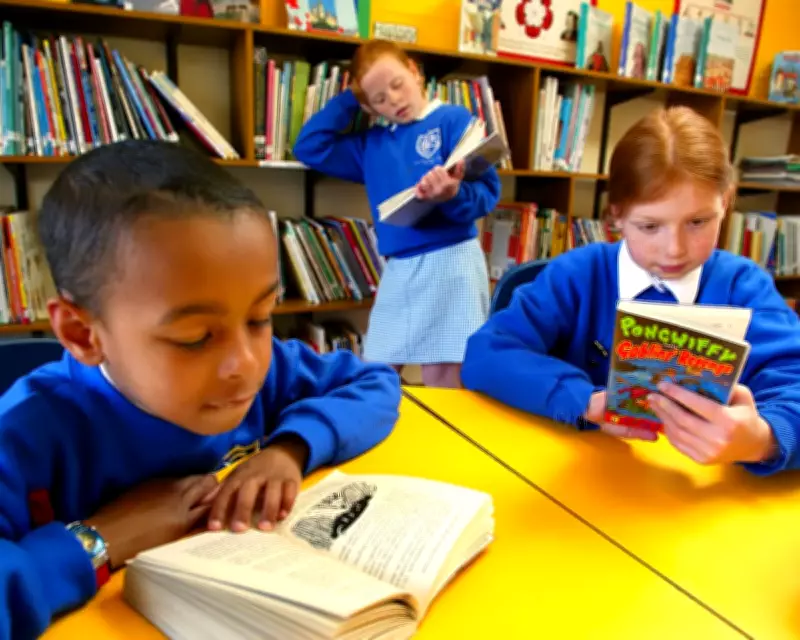
Schools across England are increasingly moving away from the tradition of pupils dressing up as their favourite literary characters for World Book Day. Literacy experts have informed Members of Parliament that this shift is driven by concerns over the financial burden of costumes on families and worries that such activities may detract from the core goal of promoting reading for pleasure.
Cost Concerns and Social Mobility at the Forefront
Jonathan Douglas, chief executive of the National Literacy Trust, explained to the Commons' education select committee that many schools are acutely aware of the strains that preparing costumes can place on disadvantaged families. He stated, "Many schools are incredibly sensitive to that, and are taking away the narrative around dressing-up on World Book Day." This year's World Book Day in the UK and Ireland falls on Thursday, with primary schools typically encouraging participation, but Douglas emphasised that activities like dressing-up should not undermine efforts to foster a love of reading.
Douglas highlighted the critical role of reading for pleasure, noting, "The whole point of this is that reading for pleasure is a driver of social mobility. Children's reading for pleasure by the age of 15 is more strongly determinative of their ultimate attainment than their socio-economic background. Therefore anything that takes away from it, as not simply a driver of social mobility but actually an anti-poverty strategy, is undermining the power of reading for pleasure."

Inclusive Alternatives and Broader Literacy Challenges
Helen Hayes, chair of the committee, acknowledged that World Book Day is "a wonderful national moment" but pointed out that the dressing-up element often favours "families who have greater resources than others, in their ability to source a costume." In response, Annie Crombie, co-chief executive of the children's reading charity BookTrust, suggested practical solutions being adopted by schools, such as costume swaps or creating items in art lessons. She warned, "It is incredibly important because otherwise it risks exacerbating the factors we know, around stresses on home life, getting in the way of reading being embedded in the first place."
The World Book Day charity itself has advocated for inclusivity, stating, "We want to make sure that all children, regardless of household income, can take part in World Book Day and be encouraged to read for pleasure. We suggest lots of ways to make sure World Book Day celebrations are inclusive, no-cost and fun for everyone."
Reading for Pleasure in Crisis Amid Screen Time Competition
This parliamentary session on the reading for pleasure crisis follows alarming findings from the National Literacy Trust, which revealed that the proportion of young people who enjoy reading has hit its lowest level in two decades. Onyinye Iwu, a teacher and children's author, shared insights with MPs, noting that many students struggle to read for pleasure, particularly in the early years of secondary school. She attributed this partly to cultural attitudes, especially in migrant communities, where reading is often viewed as purely academic rather than enjoyable.
Iwu recounted conversations with her students, who questioned the value of reading for pleasure in the digital age: "A lot of them were like: 'But Miss, we've got TikTok, what's the point?' And that is it, you've got TikTok, you've got Netflix, you've got the film coming out, so why would you read the book?" This sentiment underscores the broader challenge of competing with screen time and entertainment platforms, which literacy experts argue must be addressed to revive interest in reading.