Assisted Dying Bill Defeat at Holyrood Strengthens Campaigners' Resolve
Supporters of assisted dying legislation have declared that the recent defeat of a proposed Bill at the Scottish Parliament has only intensified their determination to change the law. The Assisted Dying for Terminally Ill Adults (Scotland) Bill was rejected by a vote of 57 to 69 during its final reading at Holyrood on Tuesday night, but campaigners insist the issue remains firmly on the political agenda.
Personal Tragedies Fuel Campaign
Leighanne Baird-Sangster, a prominent campaigner from Edinburgh, expressed her profound disappointment at the outcome. Having witnessed both her wife Gill and her sister Victoria succumb to cancer, she described the rejection as gut-wrenching. Speaking on BBC Radio Scotland's Breakfast programme, Ms Baird-Sangster emphasised that the movement for assisted dying is gaining momentum, with nearly 80% of Scots reportedly supporting legislative change.
"We have seen a huge groundswell of support," she stated. "People like me, families who have lived through it, we won't rest until dying people have real choice. If anything, last night has only strengthened our resolve." She highlighted the painful reality of watching loved ones suffer, noting that while her wife could choose her funeral music, she was denied autonomy over her final moments.

Political and Public Reactions
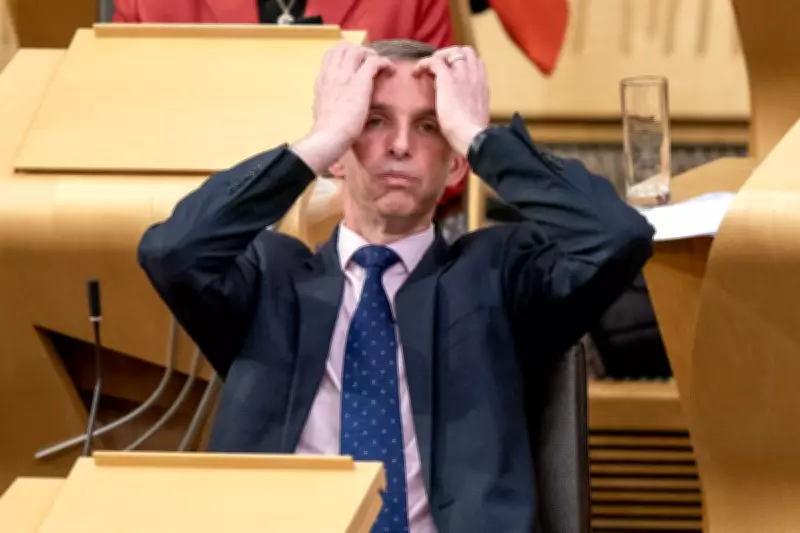
Scottish Liberal Democrat MSP Liam McArthur, who introduced the Bill, expressed deep disappointment but affirmed that the conversation around assisted dying is far from over. "This is not a conversation that is going away," he asserted. "For so long as dying Scots continue to suffer as a result of the lack of choice and safety afforded to them by the current law, I'm certain that it will be an issue in front of Parliament once more."
Ally Thomson, director of Dignity in Dying Scotland, echoed this sentiment, pointing to widespread recognition that existing legislation is harmful to terminally ill individuals. "For as long as dying Scots continue to suffer, this debate is not going away," she declared.
Opposition Voices and Concerns
However, the Bill's defeat was welcomed by opponents who view it as a victory for vulnerable members of society. Michelle Anna Moffat, a former nurse from Dunbartonshire who became paralysed after a spinal accident, shared her perspective. Suffering from gastric failure that causes daily vomiting and pain, Ms Moffat revealed she once considered travelling to Switzerland for an assisted death but now opposes legalisation.
"If it had been legal here I wouldn't be here talking to you right now," she told BBC Radio Scotland. "I do understand that people want to have choice, but the choice of a few can put pressure on a huge amount, and I think the duty of law is to protect the most vulnerable in society when they can't protect themselves." She expressed concerns about potential societal pressures on those nearing the end of life and called for improvements in palliative and social care instead.
Government Commitment to Palliative Care
Following the Bill's rejection, a Scottish Government spokesperson reiterated the administration's commitment to enhancing end-of-life care. "Ministers are committed to ensuring that everyone in Scotland who needs it can access well-co-ordinated, compassionate and high-quality palliative and end-of-life care," the spokesperson stated, underscoring the ongoing focus on improving support for terminally ill patients without legislative change.
The debate over assisted dying in Scotland continues to polarise opinions, with campaigners on both sides preparing for future discussions. As public support for reform appears strong, the issue is likely to resurface in Holyrood, driven by personal stories and a growing demand for end-of-life autonomy.