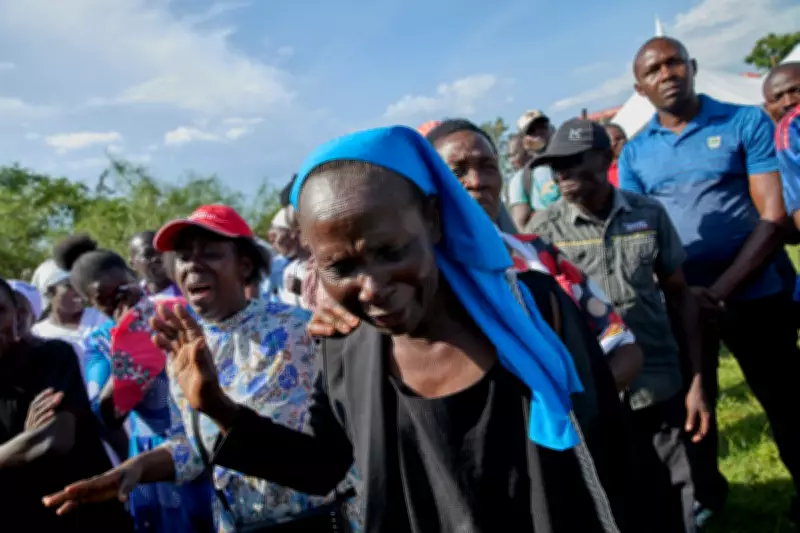
In western Kenya, the wails of mourners at funerals are often a mix of lyrical song and unrestrained cries, with some waving leafy branches and beating them against the ground. While such expressions of grief might seem familiar at funerals worldwide, a closer look reveals that some of these mourners are paid professionals who never knew the deceased.
Professional Mourners: A Steady Job in Hard Times
For many in Kenya's poorer western regions, working as a professional mourner offers a relatively steady and well-paid income. Francis Oyoo, who has held the role for two years, describes it as a job anyone can do, provided they are in touch with their emotions and can show empathy. Oyoo typically takes on one or two assignments per month, earning close to $80 each time—modest but enough to support himself.
Drawing on Personal Grief
Professional mourners often channel their own experiences of loss. Oyoo began after his uncle died in an accident, feeling compelled to help others cope with grief. James Ajowi, a veteran of over 20 years, deepened his commitment after his daughter died from a lung disease. "It's as if she was preparing me," he said.

Families greatly appreciate the presence of these mourners, who bolster attendance at funerals already known for being loud and communal. Lawrence Ouma Angira, raised by the deceased Tom Ochieng Mima, said, "They support us. They show us love. They help fill the emptiness and comfort us—even if they never knew him."
A Blend of Culture and Religion
Among the Luo people near Lake Victoria, mourning serves not only to express grief but also to provide protection, according to anthropologist Charles Owour Olunga. Death is seen as a transition, and crying, singing, and movement help drive away evil spirits. While additional mourners—typically women—appear in traditional cultures across Africa and Asia, it is unusual for men to play such a role. They may also help maintain order at large gatherings.
The professionalization of mourning is a recent development linked to urbanization and commercialization, Olunga noted. "We are moving away from the authentic but still holding on to tradition. They add color to an existing process."
Western Kenya is also notable for its blend of Christian beliefs with older spiritual traditions. The region hosts many African-initiated churches, a phenomenon arising from resistance to strict Christianity's prohibition of Indigenous rituals, according to University of Nairobi research.
For the mourners, the nuances of combined beliefs matter less than the emotional understanding and comfort that grief builds within a community. "Death is painful," said Oyoo. "But I also find strength in knowing that one day, I too will die—and people will gather for me."