Scotland Implements Stricter Rules on High-Risk Cosmetic Treatments
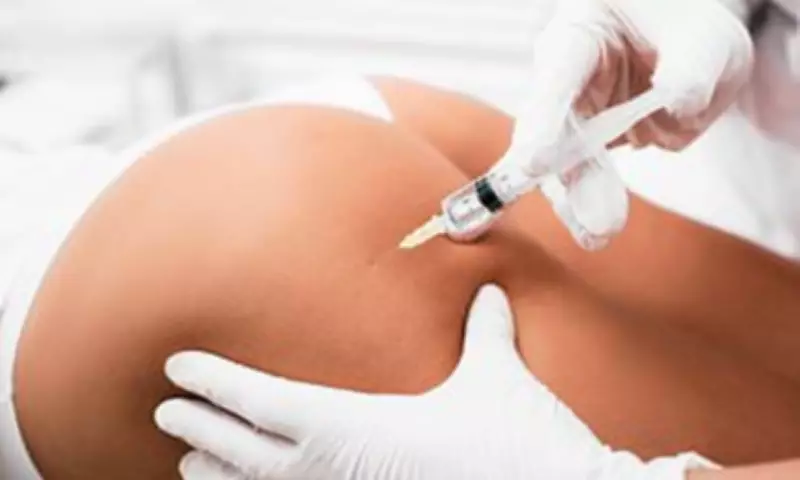
In a significant move to enhance public safety, the Scottish Parliament has voted to introduce tighter regulations on beauty treatments such as Brazilian butt lifts and cosmetic injections. These measures target what are classified as 'higher-risk cosmetic procedures', aiming to curb potential harm from unregulated practices.
New Requirements for Cosmetic Procedures
The legislation mandates that these procedures must now be performed by or alongside specific healthcare professionals in registered settings. Additionally, a strict age restriction prohibits anyone under the age of 18 from undergoing such treatments. Healthcare Improvement Scotland will be empowered to inspect premises where there is reasonable suspicion of offences being committed.
Businesses have been granted an extended adaptation period, with the new rules not coming into force until at least September 2027. This timeline allows ample opportunity for compliance and adjustment to the regulatory framework.

Government and Medical Support
Public Health Minister Jenni Minto emphasised the necessity of these changes, stating, 'Non-surgical cosmetic procedures are increasingly popular, and when not carried out safely they can cause serious and lasting harm.' She highlighted that the legislation ensures higher-risk procedures occur in appropriate settings with professional oversight, prioritising public safety while being proportionate and responsive to industry changes.
The bill received overwhelming support, with 124 MSPs from across various parties voting in favour and only two abstentions. Dr John Holden, chief medical officer at the Medical and Dental Defence Union of Scotland, welcomed the move, noting, 'This is an important step towards improving patient safety in a fast-growing area that, until now, has lacked consistent regulation.'
He referenced a survey revealing that over a third of doctors in Scotland have treated patients injured by unregulated cosmetic procedures. The new age restrictions and clinical oversight are expected to reduce harm and alleviate pressure on the NHS from botched treatments.
Concurrent Approval of Cladding Repair Tax
In a series of final votes before the Holyrood elections, MSPs also backed a new tax on housebuilding to fund cladding repairs. The building safety levy, approved by 70 votes to 56, will be charged on the construction of certain new residential properties starting in April 2028.
This levy aims to raise £450 million over 15 years to address unsafe cladding in residential buildings without linked developers. Estimates suggest around 1,000 high-rise and 5,000 medium-rise buildings in Scotland still require modifications to remove hazardous cladding.
Public Finance Minister Ivan McKee explained, 'Cladding remediation is set to cost between £1.7 billion and £3.1 billion over the next 15 years.' He asserted that it is appropriate for the residential property development industry to contribute to these costs, mirroring approaches in England, with all revenues dedicated to rehabilitating existing housing stock and improving safety.
These legislative actions reflect a broader commitment to safeguarding public health and infrastructure, balancing regulatory needs with industry adaptation timelines.