US Treasury Secretary Scott Bessent has stated that any potential agreement to resolve the conflict with Iran ultimately rests with the US president, following reports that negotiators from both sides have reached a provisional understanding to extend the ceasefire by 60 days and initiate discussions on Iran's nuclear programme.
Bessent Refuses to Comment on Draft Settlement
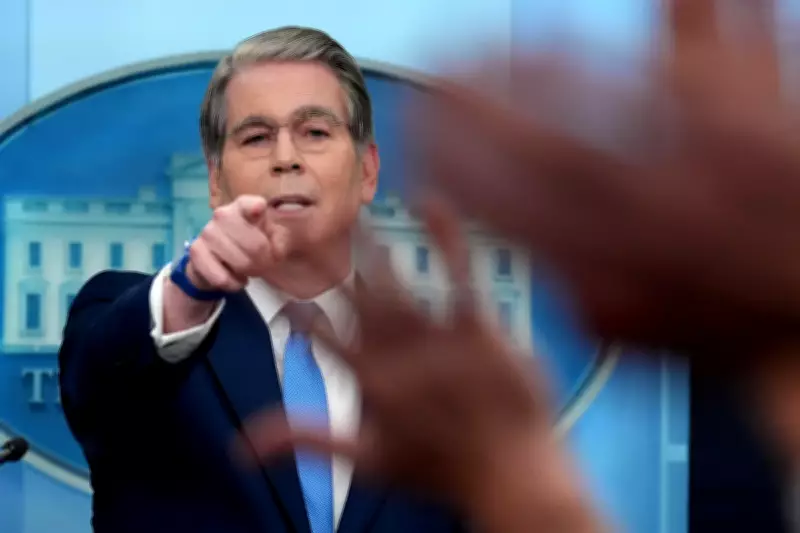
Speaking at a White House briefing on Thursday, the cabinet member declined to elaborate on the reported draft settlement when questioned by journalists. The development comes as the fragile truce in the three-month-long conflict was shaken after the US and Iran conducted fresh attacks against each other.
Media Pressure and Presidential Authority
Repeatedly pressed by the media over reports of a tentative agreement, Mr Bessent claimed he had not spoken with Donald Trump about the matter. He remarked: "It's always a mistake to get out ahead of the president, so it is all going to be the president's decision."

However, Mr Bessent reiterated Mr Trump's conditions for any deal, which include Tehran reopening the Strait of Hormuz, eliminating its highly enriched uranium stockpile, and pledging not to develop a nuclear weapon. He emphasised: "So he's not going to take a bad deal; he's going to make a great deal for the American people."
Assurances from Oman
Mr Bessent also disclosed that he had received reassurances from Oman's ambassador to Washington, Talal Alrahbi, that the Gulf state had "no plans for tolling the strait." This followed reports that Oman had been in talks with Iran about imposing taxes on shipping through the strategic waterway.
The US president had previously warned Oman that it would have to "behave just like everybody else or we'll have to blow them up." Referring to his conversation with Ambassador Alrahbi, Mr Bessent told reporters: "As he said, our countries have had 200 years of good relations. He wants to have another 200 more. I told him that this was a non-starter and he did not want to risk either the Omani individuals or Omani financial institutions getting sanctioned."