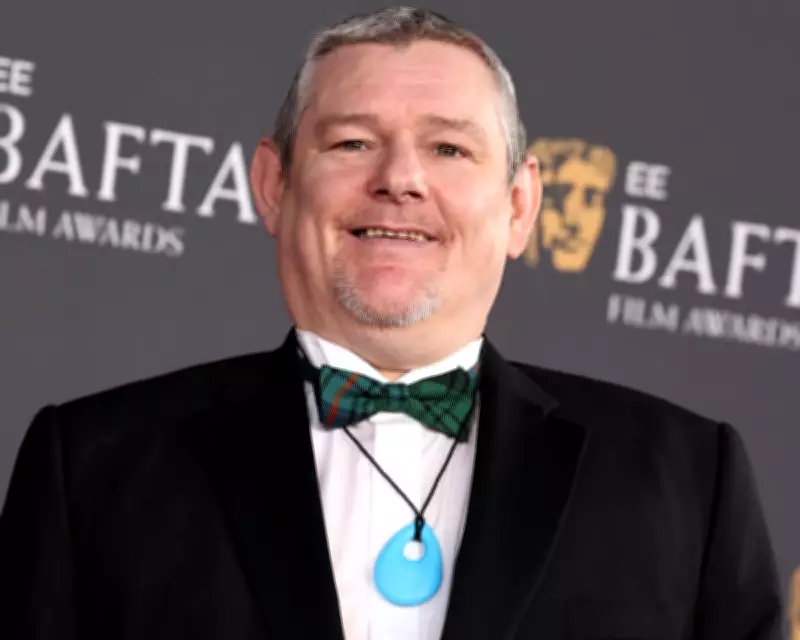
Bafta has issued an unreserved apology following the publication of an independent review that uncovered significant weaknesses in the organisation's planning and crisis management procedures. The review was commissioned in response to the incident at this year's ceremony involving John Davidson, an executive producer, who involuntarily shouted the N-word due to his Tourette syndrome while Michael B Jordan and Delroy Lindo were on stage.
Review Identifies Critical Failures
The independent review, ordered by the Bafta board, highlighted a series of structural deficiencies. It found that Bafta did not fully appreciate the risks associated with a live broadcast appearance, early warning signs were not properly escalated, and the absence of a clear operational command structure hampered the organisation's ability to respond effectively once the incident occurred.
No Malicious Intent Found
Importantly, the review did not uncover any evidence of malicious intent on the part of those involved in delivering the event. However, it concluded that Bafta's planning and processes have not kept pace with its stated diversity and inclusion goals.

Formal Apologies Issued
The Bafta board stated it has accepted the review's conclusions in full. In a formal statement, the board apologised unreservedly to the Black community, for whom the racist language used carries profound pain and trauma. It also apologised to the disability community, including people with Tourette syndrome, for the unfair judgement and distress caused by the incident.
The board acknowledged that the event, which was supposed to be a moment of celebration, was significantly diminished and overshadowed by these events. It confirmed that work has already begun to address the specific areas of improvement recommended in the review to prevent a recurrence.
BBC Also Found in Breach
This development comes just days after the BBC's executive complaints unit ruled that the broadcaster's airing of the slur, despite a two-hour tape delay, breached its editorial standards. The ECU described the inclusion of the N-word in the broadcast as highly offensive and lacking any editorial justification.
While the breach was deemed unintentional, questions remain about why the ceremony remained available to stream on BBC iPlayer for fifteen hours after the live event.
Commitment to Improvement
Bafta has outlined several key areas for immediate action based on the review's recommendations:
- Improving the escalation process and chain of information sharing around Bafta awards ceremonies.
- Strengthening planning for access, inclusion, and support at their events.
- Addressing any internal cultural gaps that may hinder Bafta's commitment to diversity, equity, and inclusion.
The board emphasised that while the incident was not a failure of intent, their duty of care to everyone at the ceremony and watching at home fell short due to inadequate preparation for such incidents in a live event environment.
Davidson's Response
In the days following the incident, John Davidson expressed that he was deeply mortified if anyone thought his tics were intentional. He reached out to the affected actors to apologise personally and noted that both Bafta and the BBC should have been better prepared for potential manifestations of Tourette syndrome during live broadcasts.