The Shift from Journalists to Celebrities in Interviews
In today's media landscape, a notable trend is emerging where the biggest names in Hollywood and beyond are choosing to be interviewed by their peers rather than professional journalists. This shift is leaving many more revealing and probing questions unasked, as conversations become more about mutual admiration than critical inquiry.
The Rise of Peer-to-Peer Interviews
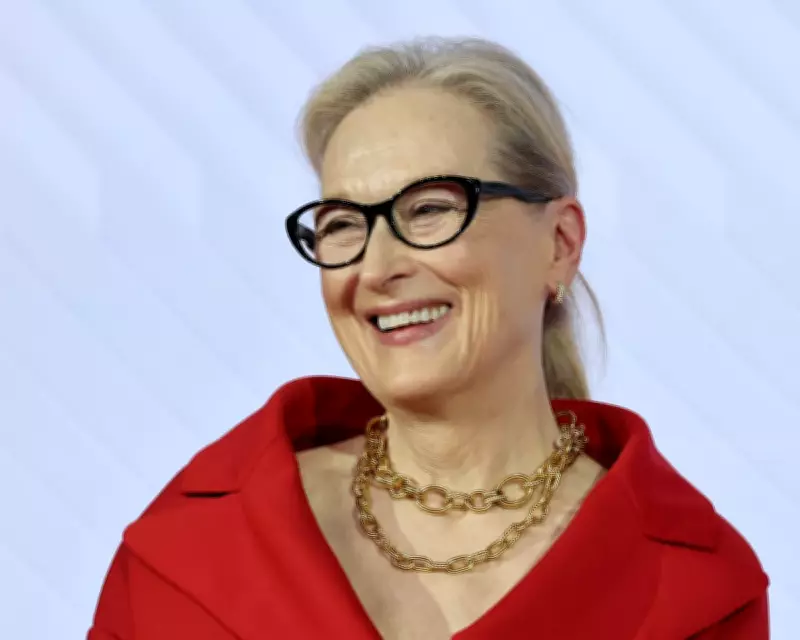
This phenomenon is not entirely new but has gained significant momentum in recent years. For instance, a recent Vogue piece featured Meryl Streep in conversation with Anna Wintour, moderated by Greta Gerwig, all celebrities themselves. The writer, Chloe Malle, described her role as akin to a "court stenographer," highlighting the lack of journalistic intervention. Similarly, Interview magazine has long thrived on pairing celebrities for friendly chats, and Variety's Actors on Actors series, where stars like Adam Sandler and Ariana Grande exchange compliments, has become a viral sensation.
However, while these interactions can be entertaining and offer a glimpse into celebrity camaraderie, they often lack depth. Celebrities, untrained in the art of follow-up questions, tend to avoid uncomfortable topics, resulting in superficial exchanges. This trend extends beyond entertainment, with CNN's 1 on 1 series allowing CEOs to interview each other, described by a spokesperson as "refreshingly direct," though the audience for whom it is refreshing remains unclear.

The Consequences for Journalism and Public Discourse
The move away from professional interviewers has several drawbacks. Firstly, it undermines the role of journalists who are skilled at eliciting insightful responses through preparation and practice. As one culture writer notes, interviewing is a challenging craft that requires expertise, and those proficient in it should be valued. Secondly, this trend risks insulating cultural figures further, making spontaneous or controversial statements rare and often met with online backlash, as seen with Jack White's comments on Taylor Swift.
Moreover, the obsequiousness of peer interviews is bleeding into other areas, such as biopics and documentaries produced in controlled environments. For example, Sofia Coppola's first documentary focuses on her friend Marc Jacobs, and pop-musician biopics often involve collaboration with estates to ensure favourable portrayals. When this approach extends to CEOs, who wield significant power over thousands of lives, the lack of critical scrutiny becomes particularly concerning.
Historical Context and Cultural Implications
This trend has antecedents in late-night television, where shows like Jimmy Fallon's Tonight Show initially felt refreshing after years of conventional formats but now contribute to a landscape lacking in contrast. Similarly, podcasts like Amy Poehler's Good Hang offer simulated intimacy that is highly affirming but low-risk. The culture of chumminess, rooted in shows like Saturday Night Live, has normalised celebrity interactions that prioritise image over substance.
While it might seem like whining for journalists to complain about being excluded, the rise of underqualified influencers in red-carpet events and junkets underscores the value of professional interviewers. Ultimately, the media does not have to facilitate this insider approach, and the public should recognise that peer-led conversations are not a substitute for genuine journalism.