

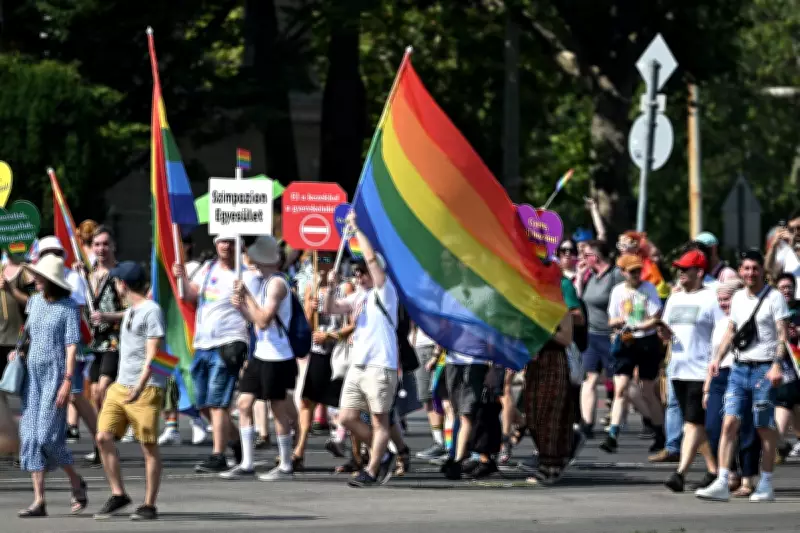
EU Court Declares Hungary's Anti-LGBTQ Restrictions Illegal
The European Court of Justice (ECJ) has delivered a landmark ruling, stating that Hungary's constitutional amendment banning public LGBTQ+ events violates European Union law. This decision marks a significant legal challenge to Hungary's social policies and could serve as an early test for the nation's new leader, Peter Magyar, who recently succeeded Viktor Orban after his 16-year tenure.
Details of the ECJ Ruling
The ECJ found that Hungary's restrictions on LGBTQ content stigmatise and marginalise gay and trans people, breaching multiple aspects of EU law. Specifically, the court cited violations of Article 2 of the EU Treaty, which upholds fundamental rights, as well as infringements on the freedom to provide services and data protection regulations. This ruling underscores the EU's commitment to protecting minority rights across member states.
Impact on Hungary's Political Landscape
Under Viktor Orban's leadership, LGBTQ rights in Hungary faced considerable erosion, including bans on Pride marches and the controversial use of facial recognition cameras. Peter Magyar, who campaigned on a platform of equality, has publicly stated that everyone has the right to assemble and love whom they want. However, he has avoided taking a definitive stance on LGBTQ rights, leaving his response to this ECJ ruling uncertain. This judgment places pressure on Magyar to align Hungary's policies with EU standards while navigating domestic political dynamics.

Broader Implications for EU-Hungary Relations
The ECJ's decision highlights ongoing tensions between Hungary and the European Union over social and legal issues. It sets a precedent that could influence other member states with similar restrictive measures, reinforcing the EU's role in safeguarding human rights. As Hungary grapples with this ruling, the outcome may shape future debates on LGBTQ rights and EU integration across the bloc.






