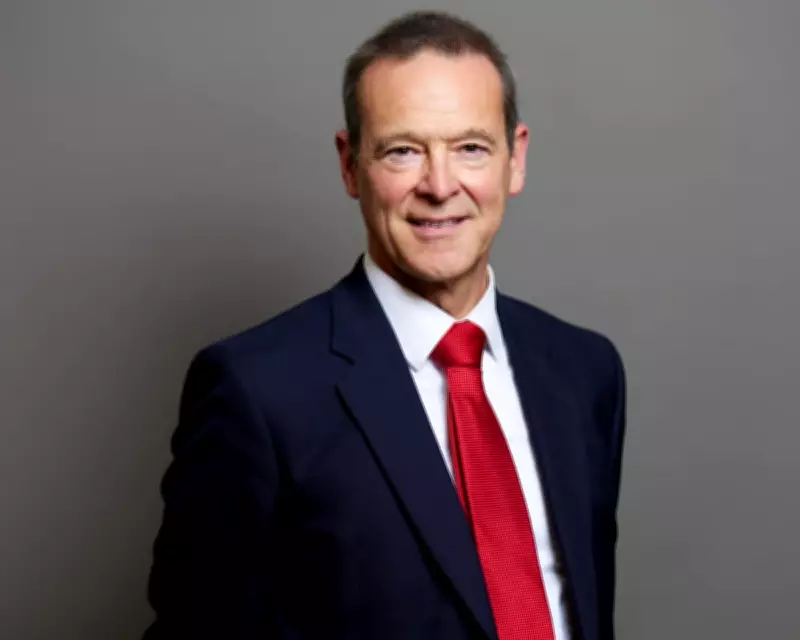
Former Foreign Office Chief Brands Mandelson Vetting Scandal as Major Diplomatic Crisis
Simon McDonald, who served as the permanent under-secretary of the Foreign Office until 2020, has declared the Peter Mandelson security vetting scandal the most significant crisis to hit the diplomatic service in decades. In a stark assessment, McDonald defended Oliver Robbins, the civil servant dismissed from his role, asserting that Robbins was unfairly treated by Prime Minister Keir Starmer.
Robbins "Thrown Under a Bus" by Prime Minister, Says McDonald
McDonald spoke out on the BBC's Today programme, agreeing that Robbins was "thrown under a bus" by Starmer. Robbins was sacked as permanent secretary of the Foreign Office shortly after the Guardian revealed that Peter Mandelson failed his security vetting in January 2025 during the process to appoint him as ambassador to the US. Robbins is said to have known about the vetting failure but did not inform ministers, with Starmer claiming he only learned of it this week.
McDonald criticised the swift dismissal, stating, "No 10 required a scalp and wanted it quickly." He added, "I cannot see that there was any process, any fairness, any giving him the chance to set out his case and that feels, to me, wrong." Robbins, reportedly angry over what he views as unfair treatment, believes he followed due process and is expected to present his side of the story to the Commons foreign affairs select committee on Tuesday.

Vetting Process and Government Misrepresentation
The scandal centres on Mandelson's UK Security Vetting (UKSV) assessment, which concluded with a "high" overall concern and a recommendation to deny clearance. Despite this, the Foreign Office overruled the decision, using a rarely exercised authority to grant clearance anyway. McDonald suggested the government misrepresented events to shift blame, noting that the decision to appoint Mandelson was driven by the prime minister's desire to place his preferred candidate in Washington.
McDonald explained, "The whole posting was controversial. By the time Olly Robbins became permanent secretary in the Foreign Office, the posting had been announced, it was clear that the prime minister wanted his man to go to Washington, and the system was making that happen." He implied that the vetting outcome was more complex than No 10 has portrayed, indicating that the failure to convey the result to political levels suggests complications.
Broader Implications and Downing Street's Response
Prime Minister Starmer expressed fury over the incident, with Downing Street blaming the Foreign Office for not informing him despite repeated requests. When asked if this constituted a cover-up, Starmer's spokesperson did not deny it, stating, "Well, the prime minister was not informed and he's made clear that it is staggering that he was not informed." Further revelations from the Guardian indicate that two other top civil servants, cabinet secretary Antonia Romeo and Catherine Little of the Cabinet Office, also knew about the vetting failure last month but did not immediately inform Starmer.
McDonald's comments highlight deep-seated issues within the diplomatic service, marking this as a pivotal moment since he joined in 1982. The fallout continues as Robbins prepares to testify, potentially damaging Starmer's administration with his public rebuttal.