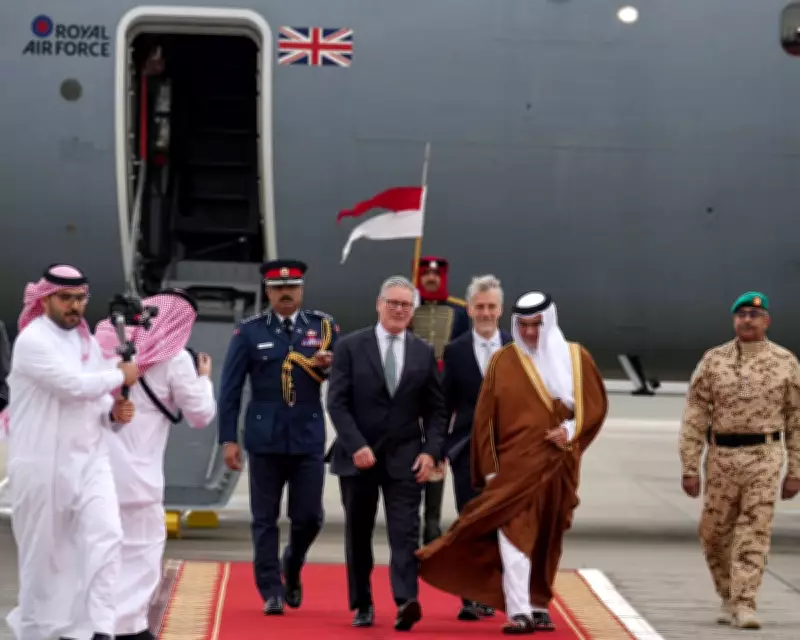
Gulf Arab Nations Initiate Strategic Security Overhaul
In a significant geopolitical development, Gulf Cooperation Council (GCC) member states, including Saudi Arabia, the United Arab Emirates, and Qatar, are undertaking a comprehensive reassessment of their national security frameworks. This strategic pivot is driven by the escalating conflict between the United States and Israel, coupled with a precarious ceasefire agreement with Iran, which has introduced new uncertainties into the Middle Eastern security landscape.
Impact of US-Israel Military Engagement on Gulf Alliances
The ongoing war involving US forces in support of Israel has prompted Gulf leaders to critically examine their long-standing military partnerships with Washington. Historically reliant on American security guarantees for regional stability and defence against common threats, these nations are now exploring diversified alliances and enhanced indigenous military capabilities. This shift reflects growing concerns over the potential for the conflict to spill over into Gulf territories, disrupting vital oil exports and economic infrastructure.
Analysts note that the war has accelerated existing trends towards military autonomy, with countries like the UAE investing heavily in domestic defence industries and seeking arms deals with alternative suppliers, including European and Asian nations. The reassessment is not merely tactical but represents a broader realignment of Gulf foreign policy, aiming to reduce dependency on any single global power amidst fluctuating international commitments.

Iran Ceasefire and Its Implications for Regional Diplomacy
Simultaneously, a fragile ceasefire between Gulf states and Iran, brokered through multilateral negotiations, has added another layer of complexity to security calculations. While the ceasefire has temporarily halted direct hostilities, it remains tenuous, with both sides accusing each other of violations and proxy engagements across the region. Gulf officials are leveraging this period of relative calm to bolster diplomatic channels and economic ties, yet they remain vigilant against potential Iranian aggression, particularly in maritime domains like the Strait of Hormuz.
The ceasefire has also influenced internal Gulf dynamics, fostering cautious cooperation among GCC members who have historically been divided over Iran policy. This includes joint military exercises and intelligence-sharing initiatives designed to present a unified front. However, underlying tensions persist, as some states advocate for a harder line against Tehran, while others push for sustained dialogue to ensure long-term stability.
Economic and Strategic Consequences for the Gulf Region
The dual pressures of the US-Israel war and the Iran ceasefire are reshaping Gulf economic strategies, with a heightened focus on non-oil sectors and technological innovation to mitigate security risks. Key initiatives include:
- Enhanced Cybersecurity Measures: Investing in advanced systems to protect critical infrastructure from state-sponsored attacks.
- Diversification of Energy Exports: Expanding liquefied natural gas (LNG) and renewable energy projects to reduce vulnerability to regional conflicts.
- Strengthening Regional Blocs: Deepening integration within the GCC and exploring partnerships with neighbouring Arab and Asian countries to create a more resilient security architecture.
This reassessment is expected to have lasting implications, potentially altering the balance of power in the Middle East. As Gulf states navigate these challenges, their actions will likely influence global energy markets, international diplomacy, and the broader trajectory of conflicts in the region. The coming months will be critical in determining whether these strategic shifts lead to greater stability or further fragmentation in an already volatile area.