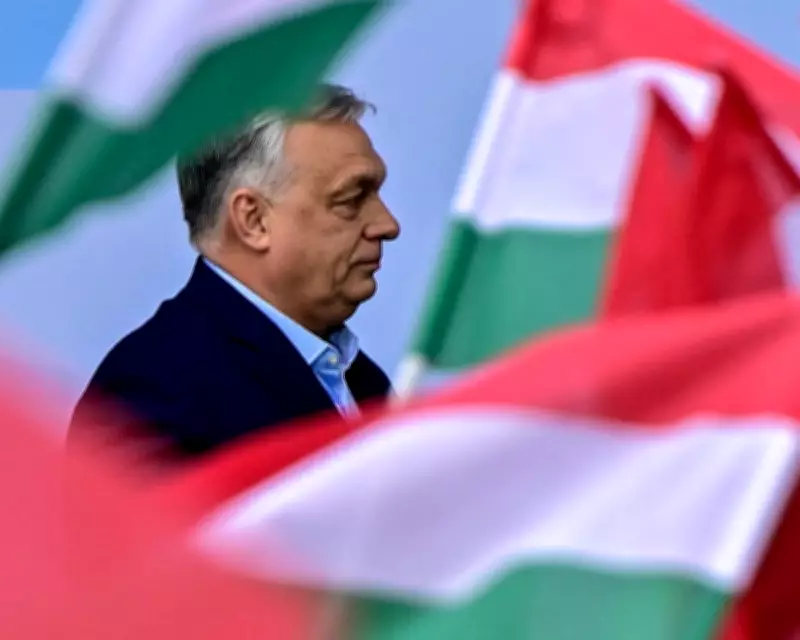
Hungary is stepping into a new era, with Russia finding itself on the back foot as Prime Minister Viktor Orban appears to be recalibrating his long-standing alignment with the Kremlin. This shift marks a significant development in European geopolitics, as Hungary, under Orban's leadership, has often been viewed as a key ally of Russian President Vladimir Putin within the European Union.
Russia's Diminishing Influence in Hungary
Recent events have placed Russia in a precarious position, with its influence in Hungary waning. Orban, known for his pro-Russian rhetoric and policies, is now navigating a complex landscape where economic pressures and international isolation are forcing a reassessment of ties. This comes as Russia faces increased scrutiny and sanctions from Western nations, impacting its ability to maintain strong bilateral relationships.
Orban's Strategic Pivot
Viktor Orban's government is subtly shifting its stance, moving away from overt support for Putin's regime. This pivot is driven by several factors:

- Economic Realities: Hungary's economy has felt the strain of sanctions on Russia, prompting a need for diversification.
- EU Pressures: As a member of the European Union, Hungary faces growing demands to align more closely with bloc-wide policies against Russia.
- Public Opinion: Domestic sentiment in Hungary is increasingly wary of close ties with Moscow, influencing Orban's political calculus.
This adjustment does not signify a complete break, but rather a nuanced realignment that could reshape Hungary's role in regional diplomacy. Orban's previous advocacy for dialogue with Russia is now tempered by a more cautious approach, reflecting broader trends in Central and Eastern Europe.
Implications for European Security
The evolving dynamic between Hungary and Russia has profound implications for European security. With Russia on the back foot, other nations in the region may feel emboldened to reassess their own relationships with the Kremlin. This could lead to a more unified European stance, potentially strengthening NATO's eastern flank.
Moreover, Orban's shift might open doors for increased cooperation with Western allies, particularly in areas such as energy security and defense. Hungary's reliance on Russian energy has been a point of contention, and a move towards alternative sources could reduce vulnerabilities and enhance stability.
Looking Ahead: A New Chapter in Hungarian Politics
As Hungary embarks on this new era, the political landscape is poised for change. Orban's recalibration signals a potential softening of his authoritarian tendencies, as he seeks to balance domestic priorities with international expectations. This could impact upcoming elections and policy decisions, with voters closely watching how the government navigates these geopolitical shifts.
In conclusion, Hungary's entry into a new era, with Russia on the back foot and Orban adjusting his stance, represents a pivotal moment in European affairs. It underscores the fluid nature of international relations and the ongoing recalibration of alliances in response to global challenges. Observers will be monitoring how this plays out in the coming months, as Hungary seeks to redefine its place on the world stage.