Iran Peace Talks Commence in Islamabad Amid Deep Divisions
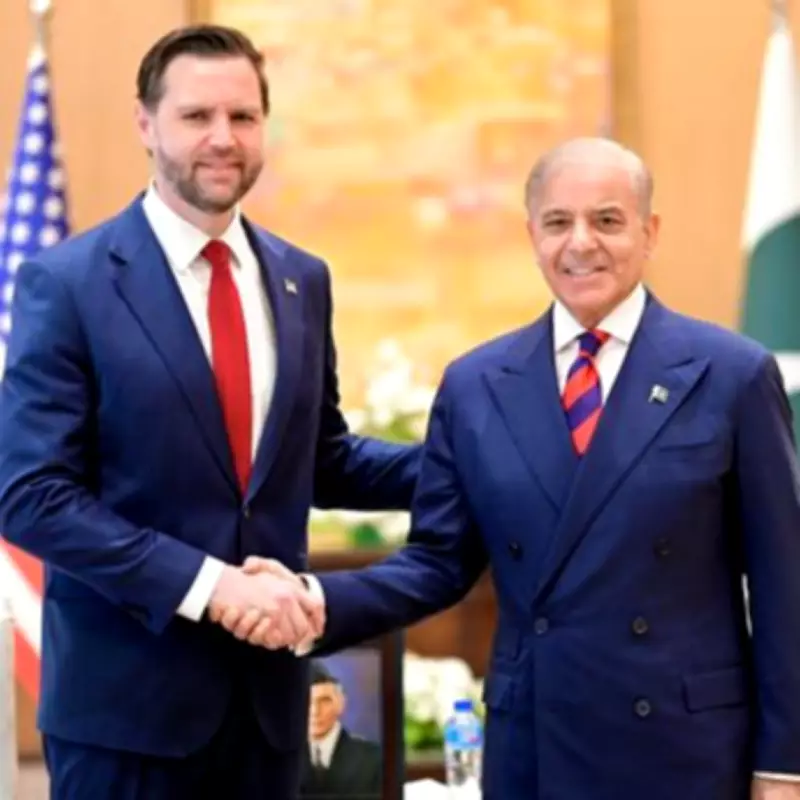
Indirect discussions between the United States and Iran have officially begun in Islamabad, Pakistan, as negotiators attempt to transform a fragile two-week ceasefire into a lasting peace agreement. The talks, which started on Saturday, involve a US delegation led by Vice President JD Vance and an Iranian delegation headed by Parliament Speaker Mohammad Bagher Qalibaf. However, the parties are reportedly not meeting in the same room, highlighting the profound tensions that persist.
Nuclear Enrichment Remains a Core Sticking Point
One of the primary catalysts for the conflict was Iran's continued uranium enrichment program. Former President Donald Trump, who officially halted US military operations in the Middle East last week, had previously claimed that Iran's nuclear facilities were "obliterated" in January 2025, dismissing contrary reports as "fake news." Upon the ceasefire's implementation, Trump asserted that Tehran had agreed to surrender its enriched uranium stocks.
The US administration's 15-point plan demands that Iran "end all uranium enrichment on Iranian soil" to ensure it "can never have a nuclear weapon." In contrast, Iran's 10-point proposal, which Trump once praised as a "workable basis" for a deal, includes a call for international recognition of its right to enrich uranium. Despite these differences, some experts suggest the nuclear issue may be less contentious than other factors, as Iran has discovered a potent alternative strategic weapon.

The Strait of Hormuz Emerges as a Strategic Lever
The most significant consequence of the conflict has been Iran's closure of the Strait of Hormuz, a critical global shipping artery. This move has blocked the passage of oil, natural gas, and fertiliser to Western markets, causing Brent crude prices to surge by over 30 percent to approximately $97 per barrel. Prior to the war, around 20 percent of the world's traded oil traversed the strait daily via more than 100 ships; since the ceasefire, only 12 vessels have been recorded passing through.
Alan Eyre, a former diplomat involved in the Joint Comprehensive Plan of Action (JCPOA) negotiations, described the strait as a "really cool threat" for Iran. He noted that it serves as an effective strategic deterrent, potentially reducing the urgency of Iran's nuclear ambitions. Iran has proposed charging ships for passage as part of a peace deal, but this idea has been rejected by the US and neighbouring Oman.
Israel's Ongoing Assault on Lebanon Threatens Ceasefire
Despite the ceasefire agreement, Israel has continued its military operations in Lebanon, claiming that the truce did not extend to its regional neighbour. Israeli forces have killed nearly 1,500 people in Lebanon, with Prime Minister Benjamin Netanyahu asserting that the attacks target Hezbollah, a militant group aligned with Iran. Israel demands that the Lebanese government disarm Hezbollah, similar to terms outlined in a November 2024 ceasefire, but doubts remain about Lebanon's ability to enforce this.
Iranian President Masoud Pezeshkian warned that continued Israeli actions could render negotiations meaningless, stating, "Our fingers remain on the trigger. Iran will never abandon its Lebanese sisters and brothers." Trump has declined to pressure Netanyahu for a complete halt, instead suggesting on Truth Social that bombings would become "a little more low key" ahead of the talks.
Regional Alliances and Sanctions Relief Complicate Negotiations
The conflict has resulted in significant casualties, with at least 3,000 deaths in Iran, 1,953 in Lebanon, 23 in Israel, and over a dozen in Gulf Arab states. Iran's "forward defence" strategy involves regional allies, which Israel labels the "Axis of Evil." Iran's negotiation document calls for an end to "all hostilities" against these groups, while the US-Israel plan insists Iran cease funding them.

Sanctions relief is another critical issue. Iran's parliament speaker, Mohammad Bagher Qalibaf, has conditioned negotiations on the release of an estimated $120 billion in frozen Iranian assets. Washington has expressed openness to discussing sanctions relief but insists it would only occur after Iran makes concessions on its nuclear and missile programs. This stalemate echoes past tensions, as Trump withdrew from the JCPOA during his first term, calling it the "worst deal ever," and the current situation has reset negotiations a decade later.
The peace talks in Islamabad face immense challenges, with gaps in positions on nuclear enrichment, the Strait of Hormuz, regional conflicts, and sanctions. As indirect discussions proceed, the shaky ceasefire hangs in the balance, with the potential for renewed hostilities if compromises cannot be reached.