Iran and US Cite Progress but Gaps Remain in Peace Negotiations
Iranian parliamentary speaker Mohammad Bagher Ghalibaf stated that while progress has been made in recent talks with the United States, the two nations remain far from a final agreement. This announcement comes amid escalating tensions over the Strait of Hormuz, a critical global oil shipping channel. Ghalibaf emphasised that significant gaps persist, particularly concerning nuclear issues and the strategic waterway, casting doubt on the prospects for a swift resolution to the ongoing conflict.
Strait of Hormuz Closure and Maritime Incidents
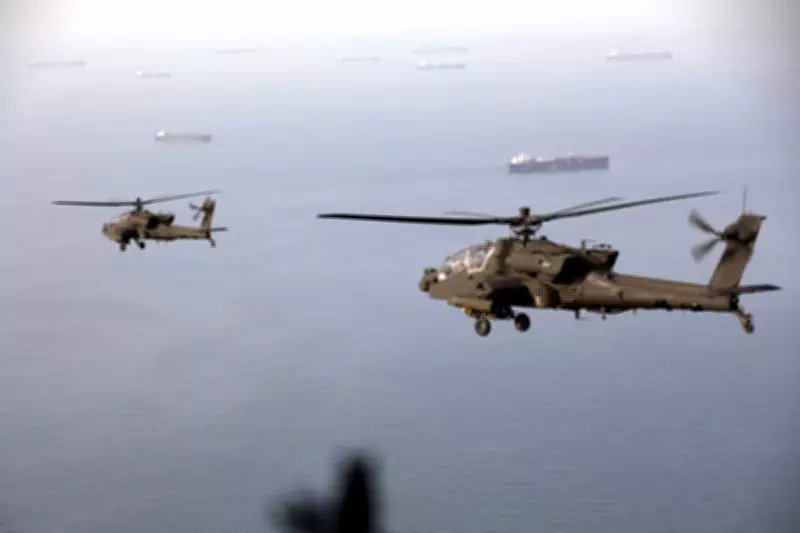
Iran's Revolutionary Guards declared the Strait of Hormuz closed on Saturday, reversing a brief reopening, and warned it would remain shut until the US lifts its maritime blockade of Iranian ports. This move has heightened global energy security concerns, as the strait traditionally carries approximately one-fifth of the world's oil shipments. In a concerning development, at least two Indian-flagged tankers reported coming under fire while attempting to transit the strait, prompting India to summon the Iranian ambassador in New Delhi to express deep concern. The British military's United Kingdom Maritime Trade Operations centre confirmed an incident involving gunboats from Iran's Revolutionary Guard firing on a tanker, though the vessel and crew were reported safe.
US Response and Negotiation Stalemate
US President Donald Trump described Iran's actions as blackmail but noted there have been very good conversations with Tehran. He indicated that talks could continue over the weekend and suggested the sides were very close to making a deal. However, neither side provided specific details about the state of negotiations as the ceasefire in the war is set to expire imminently. US Central Command confirmed American forces are enforcing a maritime blockade of Iran but did not comment directly on the latest Iranian measures. The Wall Street Journal reported that the US is preparing to board Iran-linked tankers in international waters, potentially widening the conflict further.

Nuclear Proposals and Diplomatic Efforts
During negotiations held last weekend in Islamabad, the US proposed a 20-year suspension of all Iranian nuclear activity, while Iran countered with a suggestion of a three to five-year halt, according to sources familiar with the discussions. Iran's deputy foreign minister, Saeed Khatibzadeh, stated that no date has been set for the next round of talks, emphasising that a framework of understanding must be agreed upon first. Senior national security aides gathered at the White House on Saturday to discuss the situation, with Trump later visiting the Trump National Golf Club with top envoy Steve Witkoff, one of his key Iran negotiators.
Regional Conflict and Casualty Toll
The broader war, which began on 28 February, has resulted in significant casualties across the region. At least 3,000 people have been killed in Iran, nearly 2,300 in Lebanon, 23 in Israel, and more than a dozen in Gulf Arab states. Additionally, thirteen US service members have lost their lives. In a separate development, Israel's military announced that a second soldier was killed in combat in southern Lebanon in less than twelve hours, bringing the total number of Israeli soldiers killed in Lebanon to fifteen. The fighting has also displaced numerous civilians, though a ten-day truce between Israel and the Iranian-backed Hezbollah militant group in Lebanon appeared to hold temporarily.
Economic and Political Implications
The closure of the Strait of Hormuz has profound economic repercussions, threatening to disrupt global oil and gas supplies and drive prices higher. Oil prices fell about ten percent and global stocks jumped on Friday amid hopes of the strait reopening, but hundreds of vessels and approximately 20,000 seafarers remain stranded in the Gulf awaiting passage. Domestically, pressure is mounting on Trump as Republicans defend narrow majorities in Congress ahead of the November midterm elections, with high gasoline prices, rising inflation, and declining approval ratings adding to the political stakes.

Pope Leo's Comments on Global Leadership
In a related international development, Pope Leo sought to downplay his feud with President Trump during his Africa tour, stating that media reports about his comments have not been entirely accurate. The Pope clarified that his speech decrying tyrants ravaging the world was prepared two weeks prior and was not aimed at Trump. Vice President JD Vance welcomed this clarification, noting that while real disagreements exist, the media often exaggerates conflicts. Trump had previously criticised the Pope as weak on crime and terrible for foreign policy, even posting an AI-generated image of himself as a Jesus-like figure, which was later removed amid widespread criticism.
The situation remains fluid, with the potential for renewed conflict if a lasting agreement is not reached before the ceasefire expires. Both Iran and the US continue to posture, with Tehran insisting on the lifting of the blockade and Washington maintaining its strategic pressures, leaving the path to peace uncertain and fraught with risk.