Israeli Strike Kills Journalist in Lebanon as Rescuers Reportedly Blocked by Sound Grenade
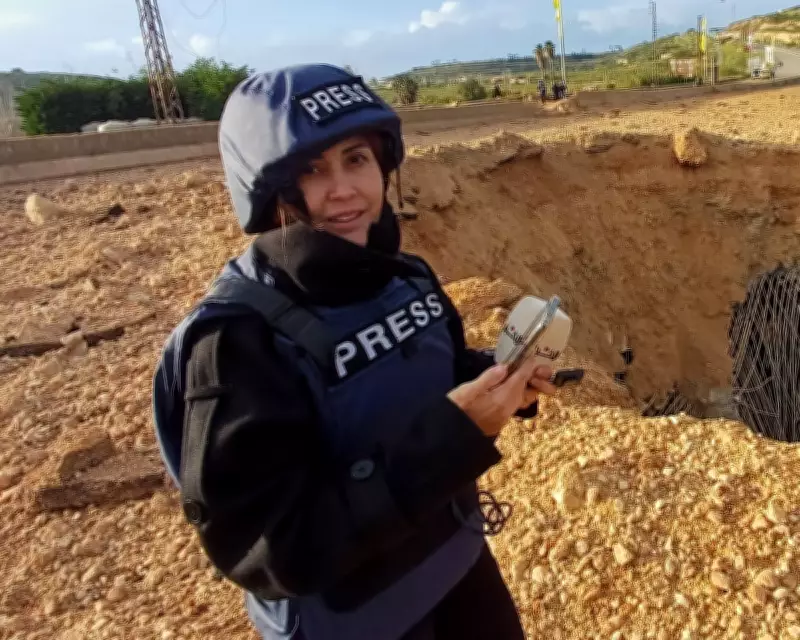
An Israeli strike in southern Lebanon has resulted in the death of journalist Amal Khalil, with Lebanese authorities alleging that rescuers were obstructed from accessing the damaged building by an Israeli sound grenade. The incident occurred on Wednesday, despite an ongoing ceasefire, and has drawn condemnation from Lebanon's prime minister, who labelled it a "war crime."
Details of the Attack and Rescue Efforts
Amal Khalil was covering developments near the town of al-Tayri alongside photographer Zeinab Faraj when an Israeli strike hit a vehicle in front of them. According to Lebanon's health ministry, the journalists fled into a nearby house, which was subsequently targeted by another Israeli strike. Rescuers managed to retrieve Faraj, who sustained a head wound, but when they returned to assist Khalil, a sound grenade reportedly blocked their access to the building.
The health ministry stated that Israel's military "prevented the completion of the humanitarian mission by firing a sound grenade and live ammunition at the ambulance." Khalil was later found dead by civil defence teams, who pulled her body from the rubble. In total, Israeli strikes killed five people on Wednesday, including Khalil.

Israeli Military Response and Broader Context
In a statement issued before Khalil's death was confirmed, Israel's military acknowledged reports of two journalists injured in its strikes but denied impeding rescue operations. The military claimed it identified two vehicles leaving a military structure used by Hezbollah, approaching Israeli troops in a threatening manner, leading to the strikes. It reiterated that it does not target journalists, though this contradicts previous incidents, such as a March airstrike that killed three journalists in southern Lebanon.
Since Israel launched an offensive in response to Hezbollah missile attacks, over 2,400 people have been killed in Lebanon, according to Lebanese authorities. Israel has occupied a border zone to create a buffer against Hezbollah, which has fired hundreds of rockets during the conflict.
Political Reactions and International Talks
Lebanon's Prime Minister Nawaf Salam condemned the targeting of journalists and obstruction of relief efforts, vowing to pursue these actions through international bodies. Representatives from Israel and Lebanon are scheduled for a second round of talks under US auspices on Thursday, aiming to end the more than six weeks of fighting that began on 2 March. Lebanon is expected to request a one-month ceasefire extension during these discussions.
This incident underscores the volatile situation in the region, with ongoing violations of the ceasefire and escalating tensions between Israel and Hezbollah.