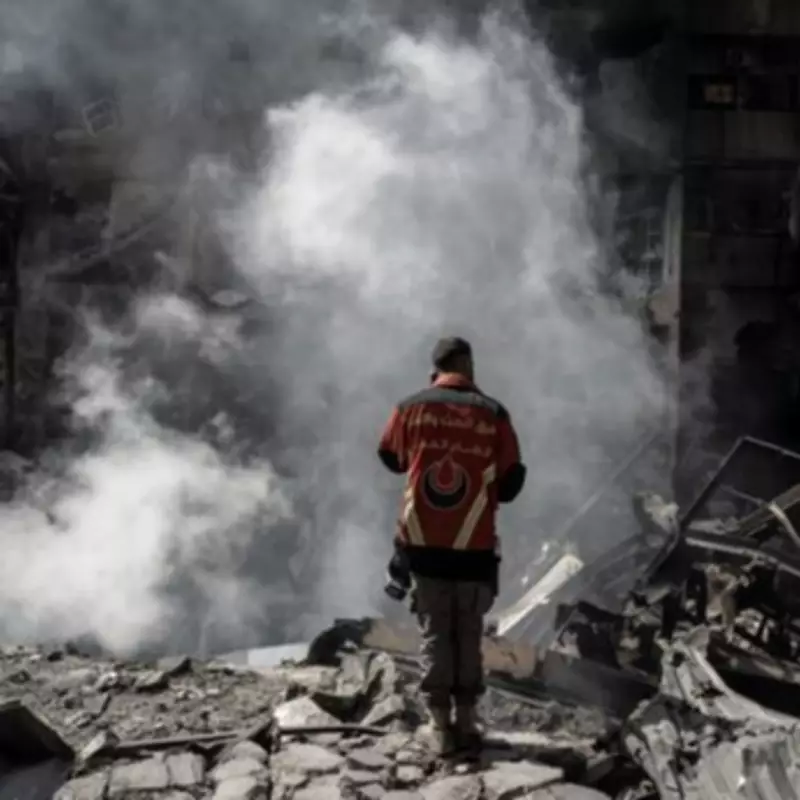
The fragile two-week ceasefire in the Middle East conflict, announced by former US President Donald Trump, has descended into chaos with devastating consequences. Israeli airstrikes on residential and commercial areas in Lebanon on Wednesday resulted in at least 254 fatalities and 1,165 injuries, according to Lebanon's Civil Defence, marking the deadliest single day since the war began on February 28.
Ceasefire Agreement Unravels Amid Confusion and Violence
Just hours after the ceasefire was declared, confusion over whether it included a pause in fighting between Israel and Hezbollah led to renewed hostilities. Israeli Prime Minister Benjamin Netanyahu asserted that the agreement did not cover Lebanon, stating, "We will continue to strike Hezbollah wherever necessary, until we restore full security to the residents of the north." This stance directly contradicted Iran's interpretation, which claimed the ceasefire encompassed all parties.
Strategic Waterway Closure Escalates Tensions
In a retaliatory move, Iran swiftly closed the Strait of Hormuz after briefly reopening it, a critical passageway responsible for transporting one-fifth of the world's daily oil supply. Trump had previously emphasized that keeping the strait open was essential for the ceasefire to hold, making this action a significant blow to the already precarious agreement.

Iranian President Masoud Pezeshkian reinforced Tehran's position on social media, warning, "This is a dangerous sign of deception and lack of commitment to potential agreements. The continuation of these actions will render negotiations meaningless. Our fingers remain on the trigger. Iran will never abandon its Lebanese sisters and brothers."
Humanitarian Catastrophe Unfolds Across the Region
Shocking images from Lebanon depict destroyed buildings and desperate rescue efforts, with 91 of the 254 victims perishing in Beirut alone. The cumulative death toll has now surpassed 5,000 since the conflict's inception, according to latest estimates.
- US-based human rights group HRANA reports 3,636 fatalities in Iran, based on medical sources and official statements.
- Lebanese authorities confirm more than 1,700 deaths since March 2.
- Israeli local authorities state that missiles from Lebanon and Iran have killed 23 people in Israel.
- Iraqi health authorities report at least 117 deaths, including a foreign crew member on a tanker near an Iraqi port.
- Additional casualties have occurred in neighbouring nations including the United Arab Emirates, Syria, and Bahrain.
International Diplomacy Under Strain
The rapid collapse of the ceasefire highlights the profound challenges in achieving lasting peace in the region. With Trump's diplomatic initiative faltering and Netanyahu maintaining an aggressive military posture, the prospects for renewed negotiations appear increasingly remote. The closure of the Strait of Hormuz further complicates international efforts, threatening global oil markets and escalating economic pressures.
As rescue operations continue amidst the rubble in Beirut and other affected areas, the human cost of this conflict continues to mount at an alarming rate. The international community faces urgent calls to intervene as civilian casualties rise and regional stability hangs in the balance.