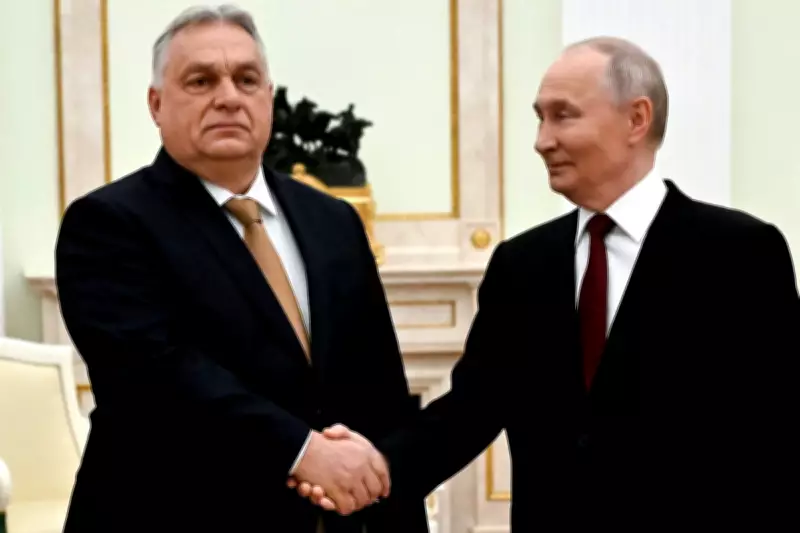
Kremlin Distances Itself from Orban Following Historic Hungarian Election Defeat
The Kremlin has moved swiftly to distance itself from outgoing Hungarian prime minister Viktor Orban in the wake of his significant electoral defeat to a pro-European Union candidate. This historic loss marks the end of Orban's 16-year tenure in power, with Péter Magyar securing a decisive victory that has reshaped Hungary's political landscape.
Russia's Surprising Statement on Relations
In a striking reversal, Kremlin spokesperson Dmitry Peskov stated emphatically that Russia was "never friends" with Viktor Orban. This declaration comes despite years of visibly warm relations between the two leaders and Orban's consistent opposition to European Union sanctions targeting Russia over its actions in Ukraine.
Throughout his lengthy premiership, Orban cultivated notably close ties with Russian president Vladimir Putin. His government frequently blocked EU financial aid packages destined for Ukraine and controversially permitted Russia to construct a new nuclear power plant on Hungarian soil, decisions that often placed Hungary at odds with its European partners.

Pragmatic Engagement with New Leadership
Moscow has indicated its intention to maintain what it describes as "highly pragmatic engagement" with Hungary's incoming leadership under Péter Magyar. This approach suggests Russia is preparing to work with the new administration while carefully managing the transition away from the Orban era.
Magyar, the victorious pro-EU candidate, has acknowledged the practical necessity of continued dialogue with Russia. He has specifically referenced the ongoing requirement to purchase Russian oil and gas to meet Hungary's energy needs. However, Magyar has also clearly affirmed that Ukraine remains the victim in the ongoing conflict, marking a potential shift in Hungary's diplomatic positioning.
Analysis of the Geopolitical Shift
The Kremlin's sudden distancing from Orban represents a significant geopolitical recalculation. For years, Orban served as one of Moscow's most reliable allies within the European Union, frequently providing diplomatic cover and opposing measures that would increase pressure on Russia.
With Orban's electoral defeat, Russia appears to be repositioning itself strategically. The emphasis on "pragmatic engagement" with the new Hungarian leadership suggests Moscow recognizes the changing political realities while seeking to protect its interests in Central Europe.
This development comes as European leaders closely monitor Hungary's political transition, particularly regarding future votes on Ukraine aid and sanctions packages that Orban previously obstructed.