Lebanon and Israel Commence Historic Peace Negotiations
Lebanon began peace talks with Israel on Thursday, marking a significant diplomatic development following the Israeli Defence Forces' heaviest strikes against Hezbollah terrorists this year. Prime Minister Nawaf Salam ordered the Lebanese army to disarm the Iranian proxy group in Beirut and start negotiations with Jerusalem, a move that comes after intense military actions.
Escalation and International Reactions
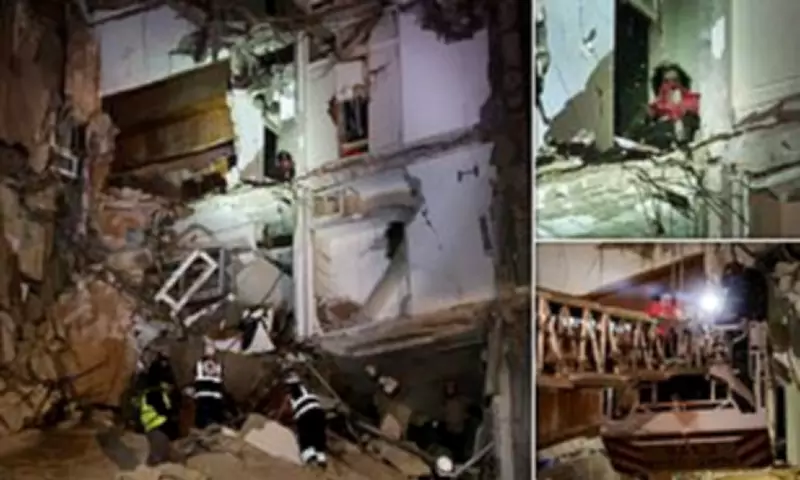
The important development occurred after Israel killed 200 terrorists, rocked Beirut with strikes, and blitzed more than 100 Hezbollah command centres across Lebanon. These attacks, which resulted in at least 254 fatalities, represent the largest since the Iran war erupted, sparking anger from the Lebanese government, Iran, and Pakistan, which brokered a ceasefire between Iran and the US.
Sir Keir Starmer described the strikes as 'wrong,' while Foreign Secretary Yvette Cooper warned they could 'destabilise the whole region.' The US-Iran ceasefire agreed on Tuesday appeared to mandate an end to hostilities between Israel and Hezbollah, but Donald Trump denied this, backing Israeli Prime Minister Benjamin Netanyahu by calling the conflict in Lebanon a 'separate skirmish.'

Negotiation Details and Diplomatic Moves
Despite outrage, with Prime Minister Salam condemning the 'escalation of Israel aggressions,' Beirut agreed to discuss terms. Netanyahu stated, 'Negotiations will focus on disarming Hezbollah and... peaceful relations between Israel and Lebanon.' A senior official revealed to the Daily Mail that direct negotiations between Israel and Lebanon will commence next week in Washington.
Meanwhile, President Trump expressed optimism about reaching a deal with Iran, warning, 'If they don't make a deal it's going to be very painful.' He emphasised that the US military would remain ready to deliver 'lethal prosecution and destruction' of Iran if hostilities resume before a deal is signed.
Historical Context and Regional Dynamics
The talks between Lebanon and Israel present an historic opportunity two decades after the Lebanon war between the IDF and Hezbollah ended with a peace agreement. A UN mission intended to prevent Hezbollah from arming and massing on the Israeli border failed, allowing the terror group to expand. Following the Hamas attack on Israel on October 7, 2023, Hezbollah fired missiles in support, and after leaders were assassinated in a covert IDF operation in 2024, it began fighting for Iran on March 1.
Now, Beirut seems to seize a chance for wider peace talks to disband the terrorist army, a remarkable turnaround for Netanyahu, whose attacks were said to breach US-Iran peace talks. Pakistani Prime Minister Shehbaz Sharif announced the ceasefire, stating it applied 'everywhere including Lebanon and elsewhere, EFFECTIVE IMMEDIATELY.'
Ceasefire Controversies and Ongoing Tensions
Trump noted the terms were based on an Iranian ten-point proposal, with Tehran insisting on a ceasefire in Lebanon as the first clause. Netanyahu was excluded from the peace talks, and mediators told the Wall Street Journal he 'wasn't happy' as Trump only called him shortly before the announcement. Israeli officials were particularly upset about Lebanon's inclusion in the agreement, but on Wednesday, Israel and the US declared the fight with Hezbollah separate, leading to the IDF's Operation Eternal Darkness.
Defence Minister Israel Katz described it as 'a powerful blow to Hezbollah,' claiming the group was 'pleading for a ceasefire.' Iranian President Masoud Pezeshkian accused Israel of a 'blatant violation' and warned Iran's 'fingers remain on the trigger.' While Sharif 'strongly condemned' Israel's attacks, Islamabad appeared to keep Tehran at the negotiating table, with talks due to start tomorrow.
Future Prospects and Diplomatic Efforts
A spokesman told the Daily Mail, 'Permanent peace will come, I think we will manage it.' US Vice-President JD Vance is set to lead the US delegation in Islamabad for two weeks of talks. This comes as a statement attributed to Iran's Supreme Leader, Mojtaba Khamenei, demanded 'blood money' for Iranian casualties, highlighting the complex and volatile nature of the negotiations.