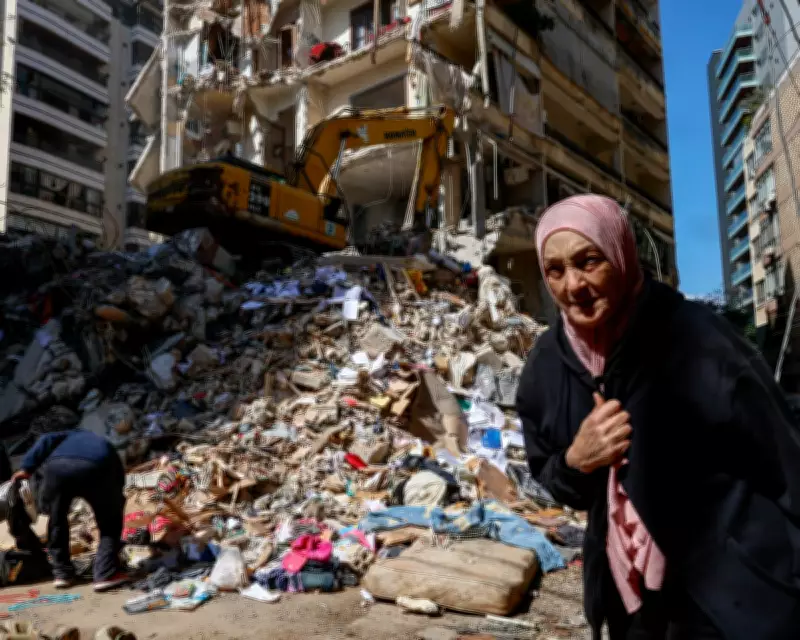
A significant ceasefire agreement has been brokered between Israel and Lebanon, marking a pivotal moment in Middle Eastern diplomacy aimed at reducing hostilities and fostering stability in the region. This development comes amid heightened tensions linked to Iran's oil exports, which have introduced additional layers of complexity to international relations and security dynamics.
Details of the Ceasefire Agreement
The truce, negotiated through intensive diplomatic efforts, outlines specific terms for the cessation of hostilities along the Israel-Lebanon border. Key provisions include the establishment of a demilitarized zone, the withdrawal of certain military assets, and the implementation of monitoring mechanisms to ensure compliance. Both nations have expressed cautious optimism, emphasizing the importance of this step toward long-term peace and security.
Iran's Role and Oil Export Implications
Concurrently, Iran's oil exports have emerged as a critical factor influencing regional geopolitics. The increase in Iran's oil shipments has raised concerns among global powers, potentially impacting energy markets and diplomatic strategies. Analysts suggest that this economic activity could either undermine or support ceasefire efforts, depending on international responses and Iran's engagement with neighboring countries.

Experts highlight that the ceasefire's success may hinge on broader regional cooperation, including addressing Iran's influence and ensuring that economic interests do not escalate conflicts. The interplay between military de-escalation and economic pressures underscores the multifaceted nature of Middle Eastern politics.
Regional and Global Reactions
Reactions to the ceasefire have been mixed, with some international leaders praising the diplomatic breakthrough as a positive step toward reducing violence. Others remain skeptical, pointing to historical precedents and the ongoing challenges posed by Iran's regional ambitions. The United Nations and other international bodies have called for sustained dialogue and adherence to the agreement's terms.
In Lebanon, public response reflects a desire for stability after periods of unrest, while in Israel, security concerns persist despite the truce. The global community is closely monitoring the situation, with implications for oil prices and international trade potentially at stake.
Future Outlook and Challenges
Looking ahead, the ceasefire faces several challenges, including potential violations, political instability in Lebanon, and Iran's evolving foreign policy. Success will require ongoing diplomatic engagement, economic incentives, and robust monitoring to prevent a relapse into conflict. The agreement represents a tentative but hopeful move toward de-escalation in a region long plagued by strife.
As developments unfold, the international community remains vigilant, recognizing that this ceasefire could set a precedent for future negotiations in the Middle East. The integration of economic factors, such as Iran's oil exports, into security discussions highlights the interconnected nature of modern geopolitics.