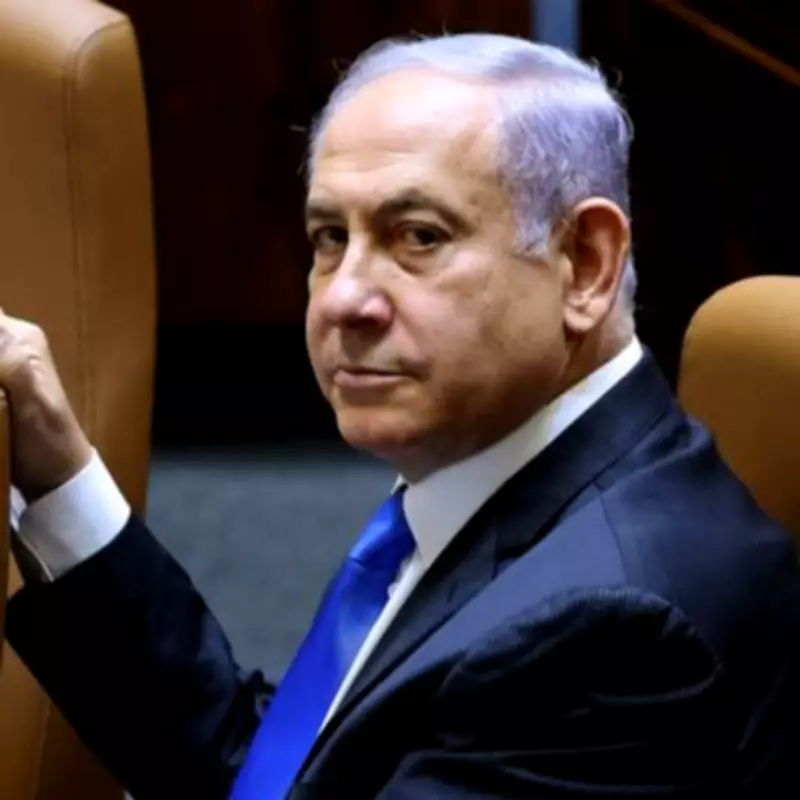
Netanyahu's Lebanon Campaign Sparks Debate Over Political Intentions
The ongoing military strikes by Israeli forces on Lebanon, orchestrated under the leadership of Prime Minister Benjamin Netanyahu, are raising profound questions about their underlying motivations. As international pressure intensifies and calls for investigations into alleged war crimes in Gaza grow louder, this expansion of conflict risks appearing less about Israel's security and more about Netanyahu's political maneuvering.
Timing and Suspicion Surrounding Escalation
The timing of these continued attacks on Lebanon, despite a broader ceasefire with Iran, invites significant suspicion. Critics argue that when the battlefield expands, scrutiny shifts away from previous actions, and accountability narrows. This strategic move creates optics that suggest escalation serves not only military objectives but also political ones, particularly as Netanyahu faces mounting domestic and international challenges.
Netanyahu's political model has long been perceived as dependent on maintaining a state of permanent crisis. War consolidates power, silences dissent, and postpones inquiries into controversial policies. A nation under threat tends to rally around its leadership, muting domestic disputes and diminishing the urgency of legal and political challenges. With international courts, human rights organizations, and even allied governments questioning Israel's conduct in Gaza, the incentive to keep conflict alive appears stronger than ever.

Global Perceptions and Moral Consequences
The devastation in Gaza, including the blockade, humanitarian collapse, infrastructure destruction, and high civilian death toll, has reshaped global perceptions. Increasingly, critics frame their anger not as hostility toward Israel or Jewish people, but as opposition to policies viewed as collective punishment and disproportionate force. This distinction is crucial, as backlash is often rooted in revulsion at images of starving civilians, bombed hospitals, and dead children, shifting the narrative from self-defense to excess.
Israeli columnist Gideon Levy has articulated concerns about a dangerous sense of Jewish exceptionalism normalizing extreme measures. In this view, historical suffering becomes justification, security overrides constraints, and international law is acknowledged in principle but dismissed in practice. Such thinking dehumanizes opponents, making harsh policies appear not only necessary but morally permissible, with devastating consequences when applied to blockades, bombardment, and displacement.
Expansion into Lebanon and Strategic Implications
The expansion into Lebanon, following conflicts in Gaza and with Iran, looks to some observers like a deliberate extension of emergency conditions. This ensures the focus remains on survival rather than responsibility, with each new front diluting scrutiny of the last. Israel claims it seeks to create a new security zone to push Hezbollah further from its border, but critics see displacement and destruction in a country already battered by economic collapse and political instability.
Rhetoric from far-right figures within Netanyahu's coalition, who speak openly about permanent control, rejecting Palestinian statehood, or encouraging mass displacement, amplifies fears that ideology is shaping policy. When ministers discuss "voluntary migration" or dismiss diplomatic solutions, critics perceive an agenda that risks normalizing permanent conflict.
Role of the United States and Future Risks
The role of the United States looms large in Netanyahu's strategy, which has long relied on strong American backing. In Donald Trump, Netanyahu found a leader receptive to a confrontational regional posture. However, even robust US support has limits, and any erosion of that backing increases the risks of continued escalation. Without American diplomatic cover, the costs could grow rapidly, raising the central question: is the assault on Lebanon about neutralizing Hezbollah, or about maintaining a state of conflict that defers legal and political reckoning?

Critics argue that widening the war shifts attention, complicates accountability, and reinforces a narrative of existential threat that strengthens Netanyahu domestically. In this reading, escalation becomes politically useful, but the broader consequences may be moral as well as strategic. Netanyahu risks damaging Israel's global legitimacy, as strength intended to ensure survival can appear as domination, and security pursued without diplomacy can resemble permanent war.
Conclusion: The Paradox of Continuation
As conflict expands from Gaza to Iran to Lebanon, suspicion inevitably grows that the objective is no longer victory but continuation. Each new theatre dilutes scrutiny, buys time, and reinforces crisis politics. Yet, in trying to outrun accountability, Netanyahu may ultimately deepen it, leaving Israel to confront the political, legal, and moral consequences long after the fighting ends. The paradox is stark: actions aimed at securing political survival could lead to lasting damage to Israel's international standing and internal cohesion.