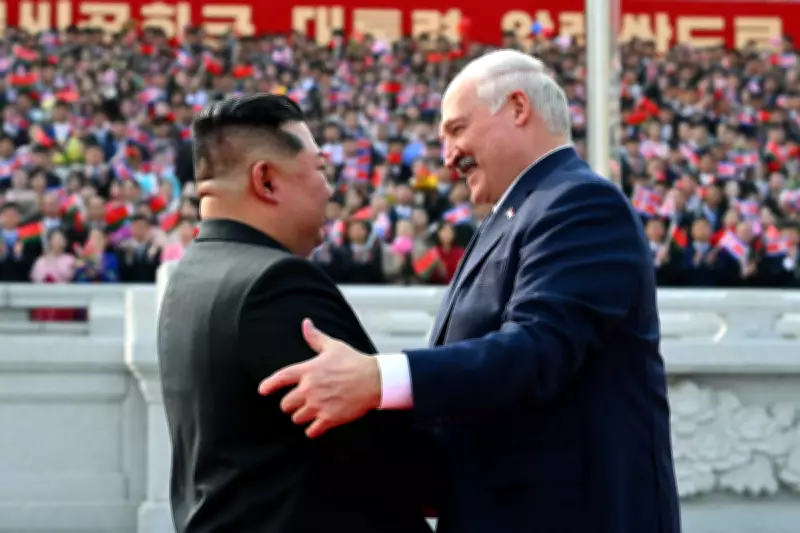
In a significant diplomatic development, the leaders of North Korea and Belarus have convened in Pyongyang to formalise a new strategic partnership. Belarusian President Alexander Lukashenko and North Korean leader Kim Jong Un engaged in high-level talks on Thursday, culminating in the signing of a comprehensive friendship and cooperation treaty.
Strengthening Bilateral Relations
President Lukashenko, who was on a two-day official visit to the North Korean capital, described the treaty as a "fundamental" document that marks a pivotal shift in relations between the two nations. According to his official press service, Lukashenko declared that bilateral ties are "entering a new stage," acknowledging past shortcomings in cooperation while expressing sincere pleasure at the recent intensification of collaborative efforts.
Global Context and Shared Stances
Lukashenko emphasised the necessity for independent countries to unite in the face of global transformations, where major powers are accused of disregarding international law. He stated, "In today's reality of a global transformation, when the global powers openly ignore and violate international law, independent countries need to cooperate more closely, consolidate efforts aimed at protecting their sovereignty and improving the well-being of our citizens."

Kim Jong Un echoed this sentiment, offering "solidarity and full support" for Belarus and condemning what he termed "unlawful pressure on Belarus from the West," as reported by Lukashenko's press service. This mutual backing underscores a shared resistance to Western influence and aligns with their broader foreign policy orientations.
Strategic Alliances and Regional Implications
Both nations have cultivated strong ties with Russia, positioning themselves as key players in a geopolitical bloc opposed to Western hegemony. Belarus has been a crucial ally for Moscow, permitting the use of its territory as a launchpad for Russia's full-scale invasion of Ukraine in February 2022 and later authorising the deployment of Russian tactical nuclear weapons on its soil.
Similarly, North Korea has increasingly aligned its foreign policy with Moscow in recent years, providing substantial military support to Russia's war efforts in Ukraine. This includes dispatching thousands of troops and large quantities of weapons, framing the North as part of a united front against the United States.
Historical Context and Future Prospects
This meeting follows a previous encounter between Lukashenko and Kim in September 2025 in Beijing, indicating a sustained effort to deepen diplomatic and strategic coordination. The new treaty is expected to enhance cooperation across various sectors, potentially including economic, military, and political domains, as both leaders seek to bolster their sovereignty and counter external pressures.
The signing of this friendship treaty not only solidifies the bond between North Korea and Belarus but also signals a broader realignment in international relations, with implications for global security and diplomacy. As these nations consolidate their alliance, the move is likely to draw scrutiny from Western powers and influence dynamics in regions such as Eastern Europe and the Korean Peninsula.