Only Fools and Horses Legend Decries Modern Comedy as 'Cruel' and Unfunny
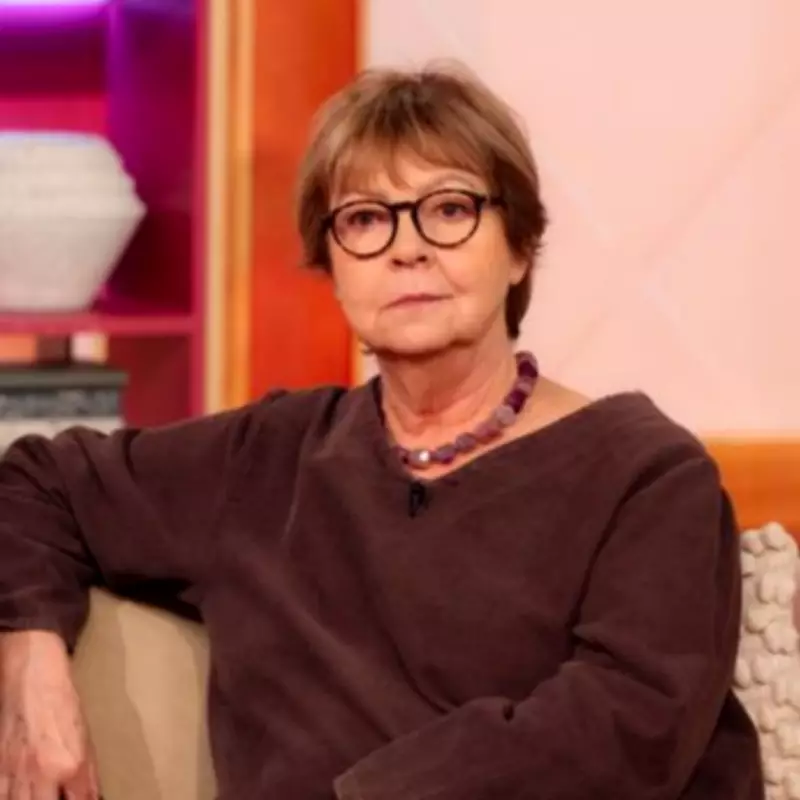
Tessa Peake-Jones, the celebrated actress from the iconic British sitcom Only Fools and Horses, has launched a scathing critique of today's comedy landscape, branding it as 'cruel' and fundamentally unfunny. In a candid interview, the 68-year-old star, best known for portraying Raquel, the wife of market trader Derek 'Del Boy' Trotter, emphasised that the timeless appeal of her show lies in its profound 'heart', a quality she believes is sorely lacking in many contemporary comedic offerings.
The Enduring Legacy of Only Fools and Horses
Peake-Jones reflected on the show's remarkable longevity, which aired from 1988 to 1993 and returned for a final trilogy of specials between 2001 and 2003. Set in Peckham, the series followed the misadventures of Del Boy, played by David Jason, and his half-brother Rodney, portrayed by Nicholas Lyndhurst, as they schemed to achieve wealth. She revealed that she continues to receive fan letters over two decades after the show concluded, attributing this enduring popularity to the programme's emotional depth and genuine warmth.
'Some of the comedy today seems to be having a go at other people. It can be quite cruel in a way that I don't find funny personally,' Peake-Jones stated, drawing a stark contrast with the Only Fools and Horses ethos. She elaborated that while modern humour often targets individuals in a mean-spirited manner, her show thrived on character-driven storytelling and relatable human foibles, which resonated deeply with audiences across generations.

Behind the Scenes: Nerves and Dedication
Despite the show's comedic success, Peake-Jones disclosed that filming was not always a laugh-filled experience. She recounted the intense rehearsals and the palpable anxiety among the cast, including herself, David Jason, and Nicholas Lyndhurst, who would all be 'pacing up and down corridors with nerves' before performances. The pressure to perfect each scene was immense, as she noted, 'We cared so much, and we wanted to get it right, but one slip-up of a word could ruin that laugh.'
Interestingly, she admitted that after numerous rehearsals, the humour sometimes faded, making the scenes feel less funny. This behind-the-scenes insight highlights the dedication and hard work required to deliver the seamless comedy that fans adored, underscoring that the show's magic was crafted through meticulous effort rather than spontaneous hilarity.
Reflections on a New Documentary
Peake-Jones's comments come ahead of the release of a two-part documentary titled Only Fools And Horses: The Lost Archive, set to air on U&Gold. The documentary promises to feature new interviews and previously unseen clips, offering fans a fresh glimpse into the beloved series. David Jason, now 86, expressed that it was 'incredible' to witness the ongoing affection for the show, reminiscing about how 'special' the experience was.
In a separate appearance on The One Show in February, Peake-Jones described revisiting the series as 'really weird', noting the passage of decades since its production. 'I hate looking at myself anyway. I don't watch anything I'm in. So to have to sit there was like torture to look at yourself 30 years ago,' she confessed. She added that Jason was 'quite touched by it all', possibly because it allowed him to see himself at the peak of his career, a poignant reminder of his prime.
A Timeless Contrast in Comedy
Peake-Jones's critique sparks a broader conversation about the evolution of comedy. While Only Fools and Horses is celebrated for its heartfelt narratives and endearing characters, she suggests that much of today's humour leans towards cynicism and cruelty, potentially alienating audiences who seek more wholesome entertainment. Her perspective underscores a cultural shift in comedic tastes, where edgier content often overshadows the traditional, character-based humour that defined classics like her show.

As fans eagerly anticipate the documentary, Peake-Jones's remarks serve as a powerful reminder of the show's lasting impact. By championing comedy with empathy and heart, she not only defends the legacy of Only Fools and Horses but also calls for a return to more inclusive and genuinely funny entertainment in an increasingly divisive media landscape.