Pakistan's Airstrikes in Afghanistan: A High-Stakes Strategy to Counter Terror
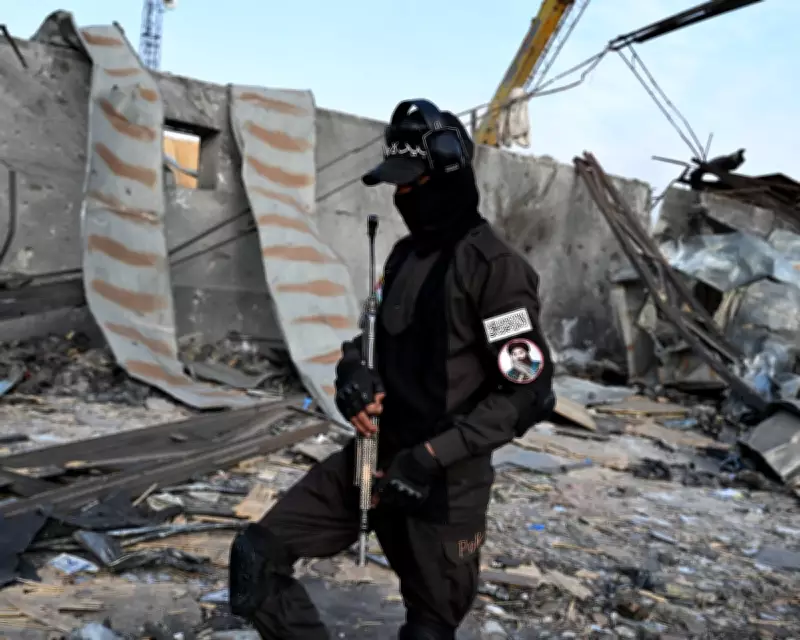
In a bold and controversial move, Pakistan has launched a series of airstrikes against targets in Afghanistan, aiming to compel the Taliban administration to abandon its support for Pakistani militant groups. This escalating campaign, dubbed "Righteous Fury" by Islamabad, is designed to impose significant costs on the Taliban, forcing them to prevent terrorist attacks originating from Afghan soil. However, experts caution that this strategy carries a grave risk of triggering a spiralling cycle of violence, with the Taliban vowing retaliation and denouncing the strikes as a violation of sovereignty.
Defensive Actions or Provocative Measures?
Since the Taliban's takeover in 2021, Pakistan has faced a surge in terrorist attacks, which it attributes to sanctuaries in Afghanistan. A senior Pakistani security official starkly questioned, "Why should they live in peace?" reflecting Islamabad's frustration. The airstrikes, described by officials as defensive rather than offensive, target what Pakistan claims are military and terrorist infrastructures. In contrast, Afghan authorities allege that a recent strike in Kabul hit a drug rehabilitation centre, killing 400 people—a claim Islamabad dismisses as propaganda.
Taliban's Retaliatory Threats and Diplomatic Fallout
The Taliban has responded with fierce rhetoric, comparing the airstrikes to Israel's actions in Gaza and hinting at unleashing suicide bombers. Mohammad Yaqoob, the Taliban's defence minister, warned that Pakistan should not expect safety in Islamabad while attacking Kabul. This escalation has strained bilateral relations, with Pakistan previously backing the Taliban but now calling for a more inclusive government in Kabul. Additionally, Pakistan has imposed other measures, such as closing borders for trade and expelling Afghan refugees, to pressure the Taliban.

Historical Context and Future Risks
Historically, Islamabad supported armed opposition in Afghanistan, including the Taliban, but experts note this strategy has backfired. With no obvious group to stage an uprising now, Pakistan faces a complex scenario. Analysts warn that military onslaughts may prove ineffective, similar to past failures by international forces. The situation is further complicated by regional instability, including tensions with India and the US-Israeli conflict with Iran, putting Pakistan in a precarious geopolitical position.
Expert Insights and Leadership Stance
Mosharraf Zaidi, spokesperson for Pakistan's Prime Minister Shehbaz Sharif, emphasised that the airstrikes are based on intelligence and aim solely to protect Pakistani citizens from terrorist attacks. Former diplomat Aizaz Ahmad Chaudhry described the actions as defensive, criticising the Taliban for running the state "as a militia" rather than a government. Asif Durrani, a former special envoy, predicted the Taliban government's eventual downfall, while Qamar Cheema of the Sanober Institute highlighted the current military leadership's bold approach under Field Marshal Asim Munir, stating "nothing is off the table."
As Pakistan's patience wears thin, the airstrikes represent a high-risk gamble to secure its borders, but the potential for escalating violence and regional destabilisation looms large, with no clear resolution in sight.