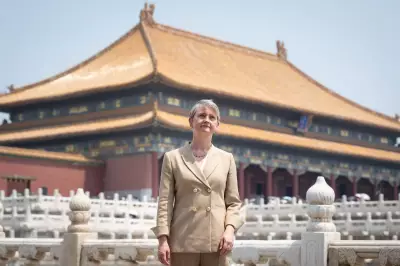
In a significant development in international relations, Pakistan has emerged as an unexpected but pivotal mediator in the ongoing and increasingly tense conflict between the United States and Iran. This diplomatic manoeuvre highlights Pakistan's growing influence on the global stage and its strategic efforts to position itself as a neutral arbiter in one of the world's most volatile geopolitical standoffs.
Strategic Positioning and Diplomatic Leverage
Pakistan's role as a mediator is underpinned by its unique geopolitical positioning and historical relationships with both nations. Sharing a border with Iran and maintaining a long-standing, albeit complex, alliance with the United States, Pakistan finds itself in a delicate balancing act. The country has leveraged these connections to open back-channel communications and host preliminary talks aimed at reducing hostilities.
Facilitating Dialogue and De-escalation
According to diplomatic sources, Pakistani officials have been actively engaged in shuttle diplomacy, conveying messages and proposals between Washington and Tehran. This effort focuses on de-escalating military posturing and addressing core issues such as nuclear proliferation, regional security, and economic sanctions. Pakistan's involvement is seen as a critical step towards preventing a full-scale conflict that could destabilise the entire Middle East and South Asia.

Challenges and International Reactions
Despite its proactive stance, Pakistan faces substantial challenges in this mediating role. Domestic political pressures, internal security concerns, and scepticism from hardliners in both the US and Iran complicate its efforts. Internationally, reactions have been mixed; some allies view Pakistan's intervention as a positive development, while others question its neutrality given its historical ties and regional ambitions.
Implications for Regional Stability
The success or failure of Pakistan's mediation could have far-reaching implications for regional stability. A peaceful resolution facilitated by Pakistan would enhance its diplomatic prestige and potentially lead to increased foreign investment and stronger international partnerships. Conversely, if tensions escalate further, Pakistan risks being caught in the crossfire, facing economic and security repercussions.
As the situation continues to evolve, Pakistan's role as a mediator underscores the shifting dynamics of global diplomacy, where middle powers are increasingly stepping into roles traditionally dominated by superpowers. This development marks a notable chapter in Pakistan's foreign policy, demonstrating its ambition to act as a stabilising force in international conflicts.