Putin Announces Orthodox Easter Ceasefire, Zelensky Agrees to Temporary Truce
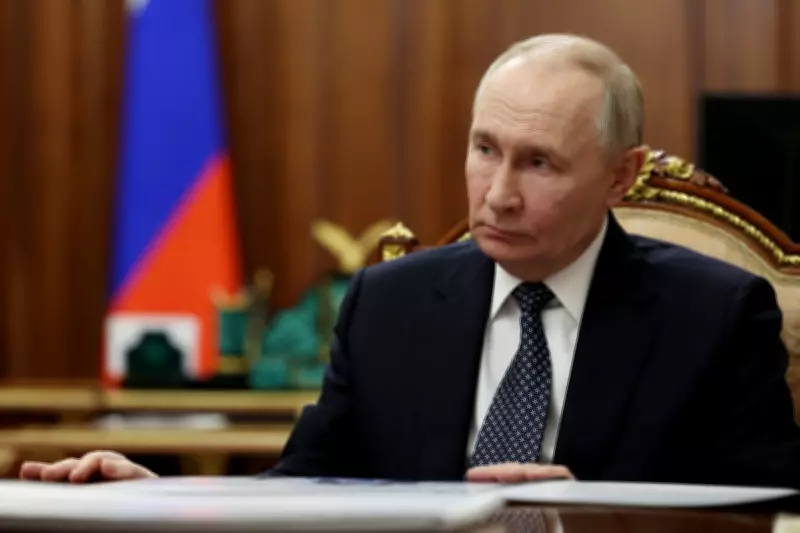
Russian President Vladimir Putin has declared a 32-hour ceasefire to coincide with Orthodox Easter celebrations, a move that has been welcomed by Ukrainian President Volodymyr Zelensky. The Kremlin stated that the ceasefire will be in effect from Saturday at 4pm (1300 GMT) until midnight (2100 GMT) on Sunday evening, covering the two-day period of the religious holiday.
Details of the Ceasefire Agreement
The Kremlin's announcement emphasised that the Russian side expects Ukraine to follow its example, stating, "We proceed on the basis that the Ukrainian side will follow the example of the Russian Federation." In response, Zelensky confirmed Ukraine's commitment to the ceasefire, noting that Kyiv had repeatedly proposed a halt to fighting for Orthodox Easter. He wrote on Telegram, "Ukraine has repeatedly stated that we are ready for reciprocal steps. We proposed a ceasefire during the Easter holiday this year and will act accordingly."
This ceasefire mirrors a similar 30-hour truce ordered by Putin last year, which was marred by accusations from both sides of violations. The current announcement includes an order from Russian Defence Minister Andrei Belousov to Chief of the General Staff Valery Gerasimov to halt military action in all directions during the specified period. However, the Kremlin added that troops should remain prepared to counter any potential provocations or aggressive actions by the enemy.

Broader Geopolitical Context
The ceasefire comes at a time of heightened tensions, with Moscow recently threatening to attack Baltic states that allow Ukraine to use their airspace for drone operations against Russia. Additionally, Russia's special envoy, Kirill Dmitriev, is currently in the United States, meeting with members of President Donald Trump's administration to discuss a potential peace deal for Ukraine and US-Russia economic cooperation. This visit precedes a US decision on whether to extend sanctions relief on Russian oil, which expires on Saturday and could impact global energy markets.
Meanwhile, Zelensky has criticised the US for ignoring evidence that Russia is assisting Iran, warning that a prolonged conflict in the Gulf could divert resources needed to counter the Russian invasion of Ukraine. In a related development, Russia's Supreme Court has effectively criminalised the activities of the Nobel Peace Prize-winning human rights group Memorial, further intensifying the crackdown on dissent within the country.
Reactions and Implications
Zelensky expressed hope that the ceasefire could lead to a lasting peace, stating, "People need an Easter without threats and a real move towards peace, and Russia has a chance not to return to attacks even after Easter." However, the temporary truce has also drawn criticism, with figures like JD Vance accusing both Russia and Ukraine of delaying peace negotiations over minor territorial disputes, describing it as "haggling over a few square kilometres."
As the ceasefire takes effect, the international community watches closely to see if this brief pause in hostilities can foster broader diplomatic efforts. The situation remains fluid, with ongoing conflicts in the Middle East and domestic challenges in Ukraine, such as conscription crises, adding layers of complexity to the war's trajectory.