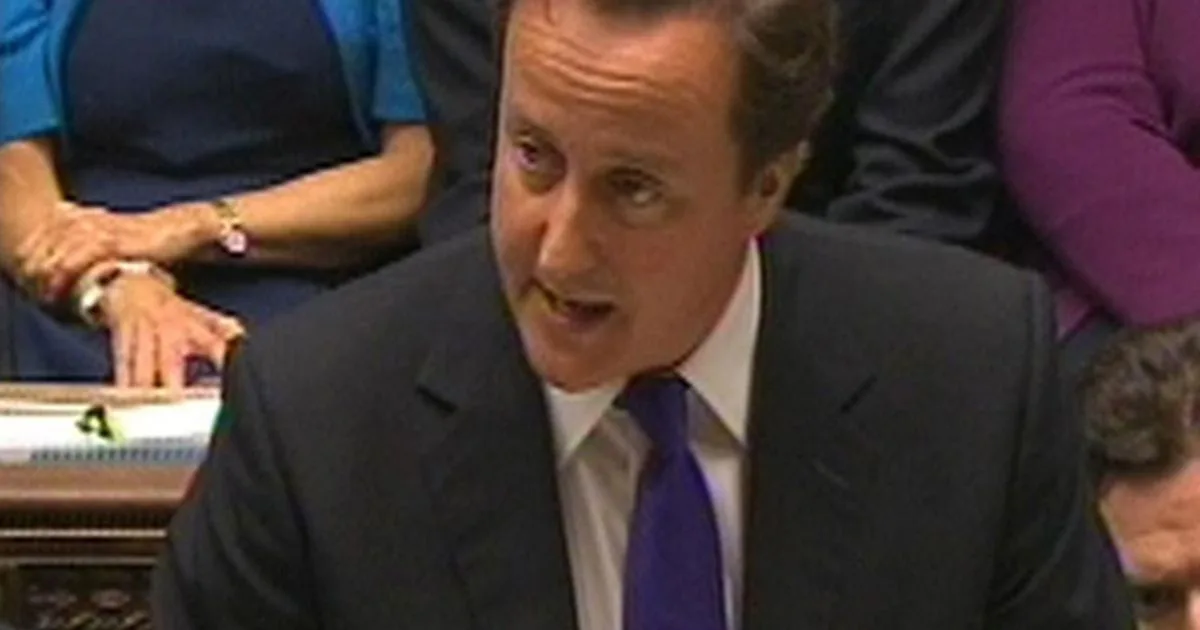
South Asian nations have voiced strong objections to recent comments by Indian Prime Minister Narendra Modi, which they perceive as promoting a Hindu nationalist agenda that undermines the region's secular and pluralistic foundations. The remarks have sparked diplomatic tensions and protests across neighboring countries.
In a speech earlier this week, Modi emphasized India's Hindu heritage, drawing criticism from leaders in Bangladesh, Pakistan, Nepal, and Sri Lanka. These nations argue that such rhetoric threatens the rights of religious minorities and could destabilize regional harmony. Bangladesh's foreign ministry issued a statement calling for respect of all faiths, while Pakistan's government condemned what it termed 'divisive and supremacist' language.
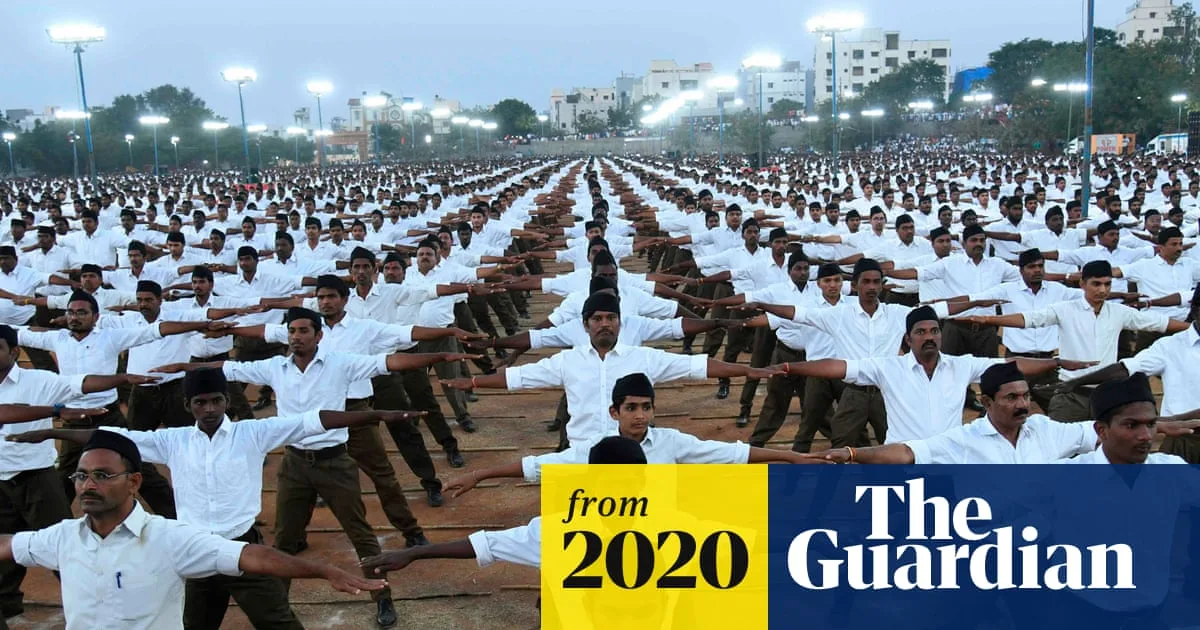
The controversy comes amid growing concerns over the rise of Hindu nationalism in India under Modi's Bharatiya Janata Party (BJP). Critics point to incidents like the January 5 attack on Jawaharlal Nehru University, where a mob allegedly linked to the RSS-affiliated ABVP targeted Muslim and left-leaning students. The RSS, a Hindu nationalist group, has been accused of stoking religious tensions.

Human rights organizations have urged India to uphold its constitutional promise of equality for all citizens. The United Nations also called for dialogue to de-escalate the situation. Modi's office has not yet responded to the international backlash.