Prime Minister and US President Focus on Strait of Hormuz Reopening
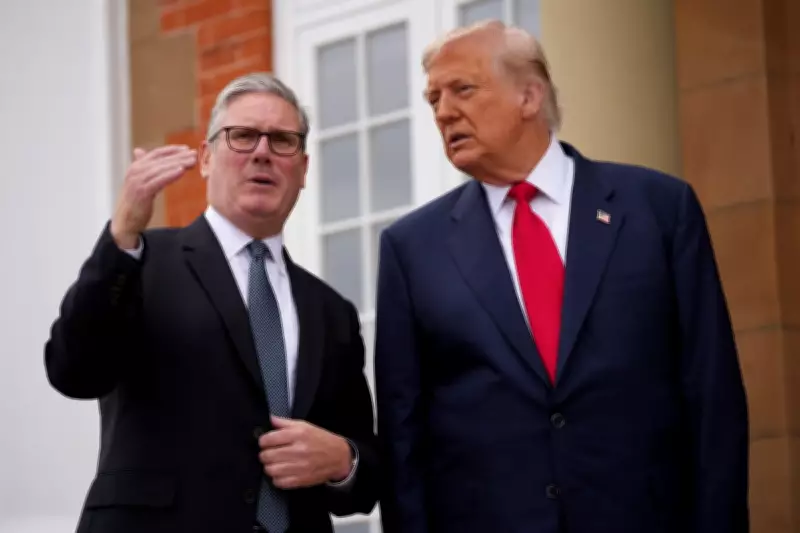
Prime Minister Sir Keir Starmer has held discussions with US President Donald Trump regarding the urgent necessity for a practical plan to resume shipping operations through the critical Strait of Hormuz. This dialogue occurred during Starmer's diplomatic tour of Gulf allies, aimed at supporting the recent ceasefire in the Middle East and ensuring the permanent reopening of this vital maritime passage.
Diplomatic Efforts in the Gulf Region
Sir Keir Starmer embarked on a significant visit to Qatar, Bahrain, Saudi Arabia, and the United Arab Emirates, engaging with regional leaders and military planners. The primary objective was to coordinate efforts to restore freedom of navigation in the Strait of Hormuz, a key conduit for global oil shipments. A Downing Street spokesperson confirmed that the Prime Minister spoke with President Trump from Qatar, emphasising the UK's role in convening international partners to develop a viable strategy.
The leaders agreed that with the ceasefire now in place and an agreement to open the strait, the focus has shifted to the next phase: implementing a resolution. They underscored the importance of a practical plan to expedite the movement of shipping vessels as swiftly as possible.

Controversy Over Toll-Free Navigation
Amid reports that Iran intends to impose charges for passage through the strait, Sir Keir Starmer has firmly advocated for toll-free navigation. He stated that for the strait to be considered truly open, it must allow safe and unrestricted passage for all vessels. In an interview with ITV's Talking Politics Podcast, he remarked, "There are a lot of things being said – they need to be tested," clarifying that the UK's position defines "open" as open for safe, toll-free navigation.
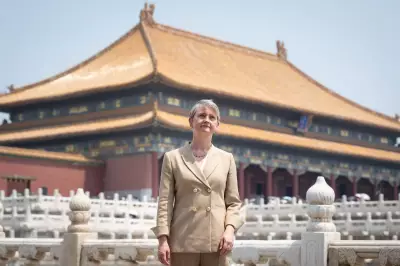
Foreign Secretary Yvette Cooper echoed this sentiment in London, warning that Iran's actions could hijack trading routes from multiple Gulf nations, effectively holding the global economy hostage. She asserted, "The fundamental freedoms of the seas must not be unilaterally withdrawn or sold off to individual bidders and nor can there be any place for tolls on an international waterway."
Trump's Response and Regional Tensions
President Donald Trump responded vigorously on his Truth Social platform, posting, "There are reports that Iran is charging fees to tankers going through the Hormuz Strait — They better not be and, if they are, they better stop now!" In a separate post, he criticised Iran's management of oil passage through the strait, calling it dishonourable and inconsistent with existing agreements.
The situation remains delicate, as the two-week truce agreed upon earlier this week, which included the strait's reopening as a key condition, faced immediate strain. Israel's bombardment of Beirut prompted Iran to close the shipping lane again, sparking disputes over whether Lebanon was included in the ceasefire. Israeli Prime Minister Benjamin Netanyahu has since authorised direct talks with Lebanon to address the disarmament of Iranian-backed Hezbollah militants and foster neighbourly relations.
Starmer's Stance on Broader Issues
Sir Keir Starmer has condemned Israeli strikes on Lebanon as "wrong" and insisted that Lebanon should be encompassed within the ceasefire framework. His call with President Trump followed earlier comments where he distanced himself from Trump's confrontational language towards Iran, stating, "Let me be really clear and blunt about this – they're not words I would use or would ever use because I come at this with our British values and principles foremost and uppermost in my mind."
Additionally, Starmer addressed ongoing tensions regarding US use of UK bases, reiterating that authorisation is limited to "collective self-defence" and that the UK is monitoring compliance. In a piece for The Guardian, he emphasised that "Iran must now become a line in the sand," highlighting the crisis as a defining moment for forging a new path that strengthens Britain's energy, defence, and economic security.

Solidarity and Condolences in the UAE
During his Middle East tour, Sir Keir Starmer expressed solidarity with the people of the United Arab Emirates and offered condolences for lives lost due to Iran's reckless bombardment. Discussions with UAE President Sheikh Mohamed bin Zayed Al Nahyan centred on the need to restore the free flow of goods to support global supply chains. In talks with Bahraini leaders, Starmer reaffirmed the importance of upholding the ceasefire to pave the way for lasting peace.
As the Prime Minister prepares to return to the UK, the international community watches closely, with the reopening of the Strait of Hormuz remaining a pivotal issue for regional stability and global economic security.