Strait of Hormuz: A Flashpoint in US-Iran Ceasefire Negotiations
The Strait of Hormuz has emerged as a central and contentious issue in the ongoing ceasefire discussions between the United States and Iran. Following attacks by the US and Israel on Iran in late February, Tehran effectively blocked the passage of oil tankers through this vital maritime corridor, escalating tensions and disrupting global energy markets.
Ceasefire Terms and Economic Repercussions
Under the recently agreed two-week ceasefire, the United States has committed to halting strikes on Iran, while Iran has pledged the "complete, immediate, and safe opening" of the Strait of Hormuz. This waterway is one of the world's busiest oil shipping channels, and its blockade had driven oil prices above $100 per barrel. With the announcement of the ceasefire, prices plummeted by approximately 14%, settling at $94 per barrel—the lowest level since the conflict's inception.
Former President Donald Trump has described a 10-point plan from Iran as a "workable basis on which to negotiate," with expectations for a finalized agreement during the ceasefire period. A key element of Iran's proposal is maintaining control of the strait through its armed forces, leveraging this strategic position in negotiations.

Geographic and Strategic Significance
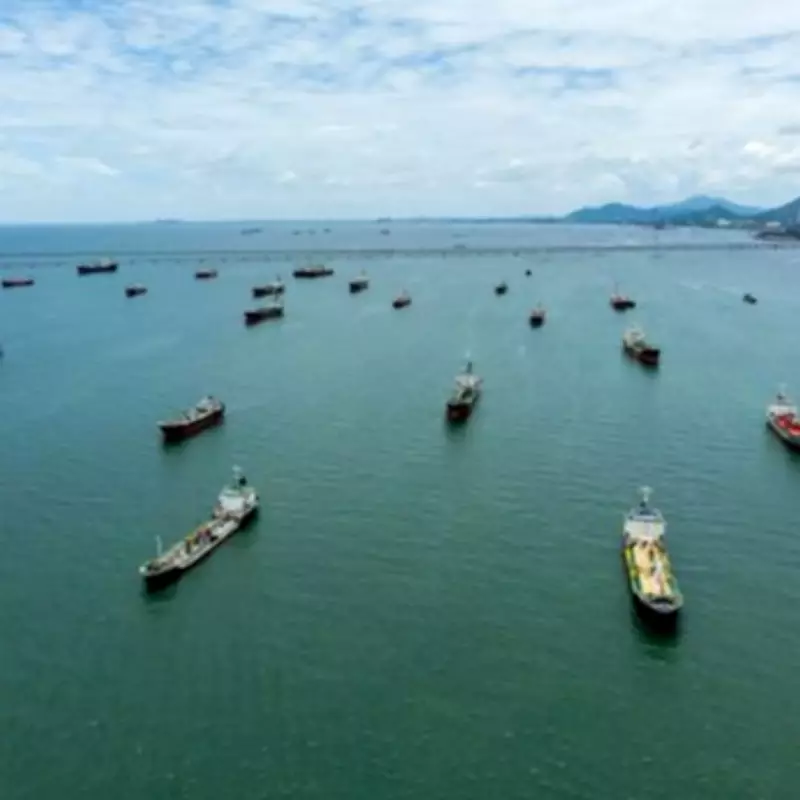
The Strait of Hormuz is the sole sea passage linking the oil-rich Persian Gulf to the Gulf of Oman and the Arabian Sea. It serves as the primary export route for petroleum from Iran, Iraq, Kuwait, Qatar, and the United Arab Emirates. Despite being only 30 miles wide at its narrowest point, the strait is deep enough to accommodate the largest crude oil tankers, making it a critical global chokepoint.
- Daily oil transit typically reaches around 13 million barrels, accounting for roughly 31% of global oil shipments.
- Shipping lanes are in near-constant use, separated by a two-mile buffer zone, with most waters belonging to Oman.
- International maritime law governs the strait, though Iran controls northern areas and possesses the capacity to disrupt traffic.
Impact of the Blockade on Global Supply Chains
The closure of the Strait of Hormuz during the conflict had far-reaching consequences beyond energy markets. Over 90% of commercial traffic was diverted, demonstrating Iran's asymmetric leverage. The resulting oil price surge also affected natural gas, fertilizer, and critical metals like aluminium.
- In Asia, fuel shortages led to remote work mandates, university closures, and reduced workweeks to conserve supplies.
- African nations such as South Sudan and Mauritius implemented energy consumption restrictions.
- Slovenia became the first EU member state to introduce fuel rationing.
Additionally, key industries faced disruptions:
- Healthcare: A third of global helium shipments, used in MRI scanners and semiconductor manufacturing, originate from Qatar and pass through the strait.
- Pharmaceuticals: Petrochemical derivatives like methanol and ethylene, essential for producing painkillers, antibiotics, and vaccines, rely on this route.
- Agriculture and Technology: Sulphur for fertilisers and metals for batteries, including those in military hardware, are also transported through the waterway.
Alternative Export Routes and Future Risks
In response to past threats of closure, Gulf countries have developed overland pipelines to bypass the Strait of Hormuz. Saudi Arabia's East-West Crude Oil Pipeline can transport up to five million barrels daily, while the UAE's pipeline to Fujairah handles at least 1.5 million barrels. However, these alternatives have limitations—drone attacks have disrupted operations, and capacity constraints could reduce supply by 8 to 10 million barrels per day if the strait remains blocked.
As negotiations continue, the Strait of Hormuz remains a volatile symbol of geopolitical strife, with its status directly influencing global economic stability and security. The outcome of these talks will determine whether safe passage can be assured or if further disruptions loom on the horizon.