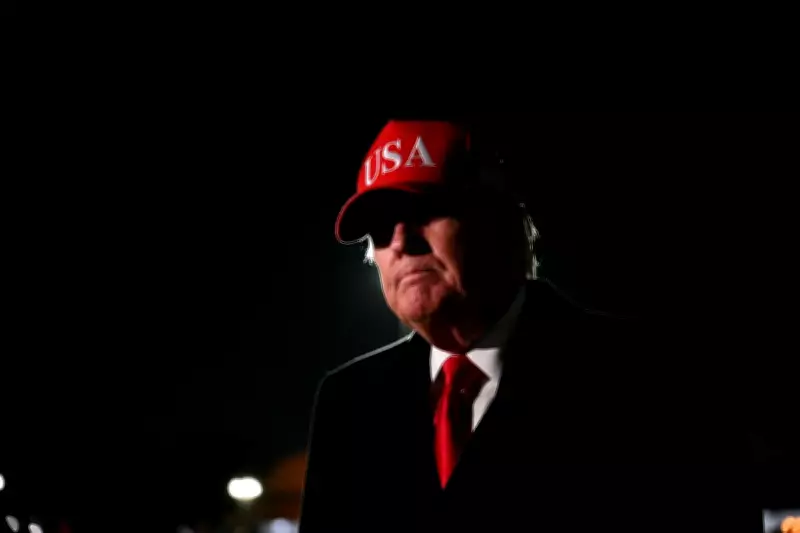
Former US President Donald Trump has declared he "doesn't care" whether Iran resumes peace negotiations, following the collapse of talks in Islamabad that have left a fragile ceasefire in jeopardy. The discussions, which lasted twenty-one hours, reached an impasse over disagreements concerning the Strait of Hormuz and Tehran's nuclear programme.
Trump's Dismissive Stance on Negotiations
On Sunday evening, Trump told reporters it is "fine" if Iran does not return to the negotiating table, despite mounting concerns that a two-week ceasefire could be broken. "I don't care if they come back or not. If they don't come back, I'm fine," he stated, adding that the ceasefire is currently "holding well." This remark underscores a significant shift in diplomatic tone, as the United States had previously engaged in efforts to broker peace.
US Threatens Blockade of Iranian Ports
In an attempt to break the deadlock, the US has threatened a blockade on Iranian ports, specifically targeting the Strait of Hormuz, which has been under Tehran's control since the conflict began in February. This represents a climbdown from Trump's earlier threat to entirely blockade the strait, a move that initially caused oil prices to surge and markets to tumble.

Trump indicated on his Truth Social platform that "other countries will be involved with this blockade," though he provided no specific details. The US military announced plans to commence the blockade of all Iranian ports and coastal areas starting at 10am local time, but clarified that ships would still be permitted to transit the Strait of Hormuz if travelling between non-Iranian ports.
UK Refuses to Support Blockade
In a clear divergence from US policy, UK Prime Minister Keir Starmer has confirmed that the United Kingdom will not participate in the threatened blockade of the Strait of Hormuz. Speaking to BBC Radio 5 Live in Manchester on Monday morning, Starmer emphasised the economic repercussions of such actions.
"The strait is shut, or not free for navigation in the way it should be. That means that oil and gas is not getting to market. That means the price is going up. That means everybody listening to this is facing higher energy bills. And I don’t want that to happen," Starmer explained, highlighting the direct impact on consumers.
Iran's Oil Exports and International Reactions
According to industry publication OilPrice.com, Iran is believed to have exported hundreds of millions of barrels of oil since the war began, utilising "dark transit" vessels that have disabled their location transponders. These shipments have largely been directed to China, complicating enforcement efforts.
China has expressed hope that hostilities between the US and Iran will not resume, despite the breakdown in negotiations. Foreign ministry spokesperson Guo Jiakun stated, "China hopes that the relevant parties will abide by the temporary ceasefire arrangement, remain committed to resolving disputes through political and diplomatic means, avoid a resumption of hostilities, and create conditions for the early restoration of peace and stability." He added that the earlier launch of peace talks was a positive step towards achieving peace.
Ceasefire Deadline and Mediation Efforts
The current ceasefire is set to expire on 21 April, and it remains unclear whether Washington will decide to continue the war. Mediators from Pakistan, Egypt, and Turkey are reportedly planning to push for fresh negotiations in the coming days to bridge the gaps between the two sides, as reported by Axios. These efforts aim to salvage the fragile peace and prevent a full-scale resumption of conflict.
The situation remains tense, with global markets closely monitoring developments in the Strait of Hormuz, a critical chokepoint for international oil shipments. The potential for renewed hostilities poses significant risks to global energy security and economic stability.