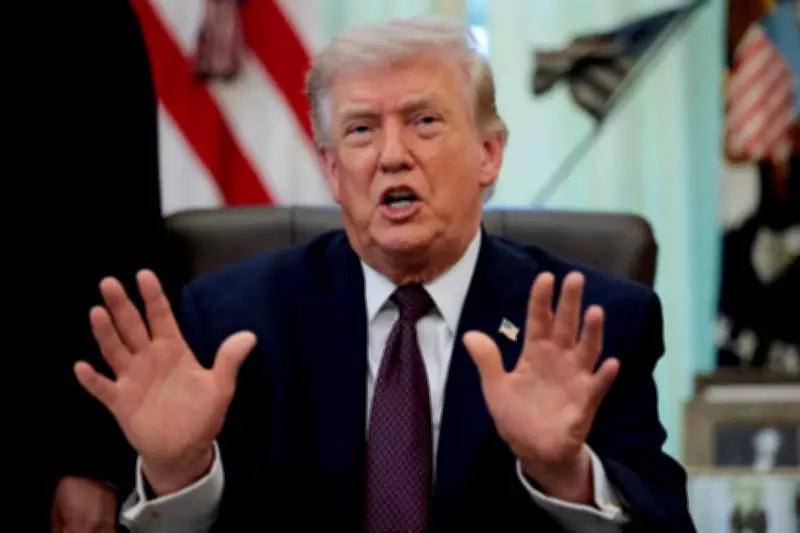
President Donald Trump signed an executive order on Tuesday establishing a framework for voluntary oversight of advanced artificial intelligence models, less than two weeks after postponing a White House ceremony over concerns that a similar policy might hinder America's technological edge.
Key Provisions of the Order
The order creates a process to vet advanced AI systems for national security risks up to 30 days before their public release. Participation by developers is voluntary, according to the document. "Advanced AI capabilities make our Nation stronger, but also introduce new national security considerations that require coordinated action across executive departments and agencies," the order states.
The 30-day review period is shorter than some in the industry anticipated, as a longer timeframe might have been seen as overly burdensome for the fast-moving and highly competitive AI sector.

Background and Industry Reaction
Trump canceled an Oval Office event with tech executives last month because he objected to an earlier version of the order's text. "We're leading China, we're leading everybody, and I don't want to do anything that's going to get in the way of that lead," he told reporters at the time.
The directive is characterized as a voluntary collaboration with U.S.-based tech companies, including Anthropic, OpenAI, and Google, often described as "frontier labs" for building the most advanced AI systems. Several companies had planned to send executives to the May 21 signing event, but Trump ultimately signed it without ceremony.
The White House stated on social media Tuesday that the executive order "creates a process for frontier labs to voluntarily share cutting-edge cyber models in order to secure critical infrastructure and strengthen the government's own cyber defenses. We are NOT conducting oversight of all new models, as that level of government overreach would have chilling effects on free speech and innovation."
Expert Analysis
Juan Londoño, a policy analyst at the Cato Institute, called the order imperfect but "a step in the right direction to prepare the nation for the release of advanced AI systems." He praised the voluntary nature but expressed concern over the vagueness of how the government, led by the NSA director, will determine which AI models qualify for scrutiny and which "trusted partners" get early access. Londoño warned that giving such discretion to the NSA director could set a "dangerous precedent" enabling the government to "weaponize" the policy against companies like Anthropic.
Context and Implications
The order follows Anthropic's April announcement of its most advanced AI model, Claude Mythos, amid a legal dispute with the Trump administration over a Pentagon contract. Treasury Secretary Scott Bessent and outgoing Fed Chair Jerome Powell convened an urgent meeting with Wall Street CEOs to warn about Mythos' apparent ability to find cybersecurity vulnerabilities. Anthropic has limited access to Mythos to trusted partners but expanded that group by 150 organizations on Tuesday.
Anthropic called Trump's order "an important step in strengthening America's leadership in AI" and said it looks forward to collaborating with the White House. OpenAI CEO Sam Altman's company also welcomed the policy, with Chief Global Affairs Officer Chris Lehane stating, "As AI capabilities continue to advance, we believe effective safety frameworks should continue to be developed through democratic institutions, informed by technical expertise and broad stakeholder input, to promote accountability and public trust." Google similarly endorsed the measure.
Democratic Sen. Mark Warner, vice chairman of the Senate Intelligence Committee, welcomed the policy but criticized the administration for having "belatedly discovered the need to redo something it hastily dismantled in its first year," referring to Trump's repeal of many Biden-era AI guardrails.