UK and France Forge International Coalition to Address Strait of Hormuz Crisis
Prime Minister Sir Keir Starmer and French President Emmanuel Macron are set to convene with global counterparts this week to strategise on reopening the Strait of Hormuz, a critical maritime passage that has been sealed by Iran. This high-stakes meeting follows the implementation of former US President Donald Trump's blockade of Iranian ports, which has escalated tensions and disrupted global energy supplies.
Diplomatic and Military Planning Underway
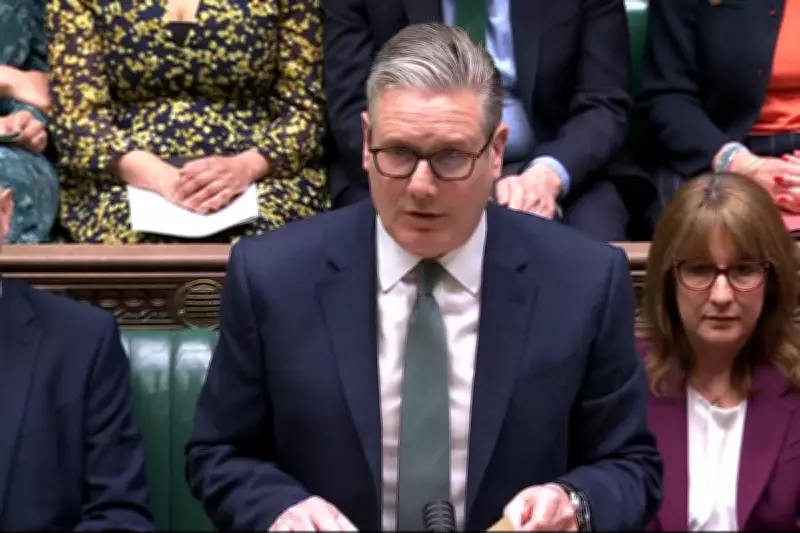
Sir Keir Starmer emphasised that while the UK and France are at the forefront of political and military preparations to restore access to the strait, any operational mission will be contingent upon the cessation of hostilities between the United States and Iran. In a statement to the House of Commons, the Prime Minister clarified that the upcoming summit will concentrate on diplomatic avenues to achieve a negotiated end to the conflict and address what he described as a running sore for the international community.
We are working to bring together an international coalition prepared to contribute to an initiative to secure freedom of navigation in the strait, Sir Keir stated, aligning with President Macron's assertion that this strictly defensive mission is separate from the warring parties and intended for deployment as soon as circumstances permit.

Economic Fallout and Global Implications
The closure of the Strait of Hormuz has triggered significant economic repercussions, with oil prices surging back to approximately $100 per barrel following the breakdown of US-Iran talks and Trump's threats. The former US president declared on his Truth Social platform that any Iranian fast attack vessels approaching the blockade would be immediately eliminated, a stance Sir Keir publicly opposed by advocating for unfettered access to the vital route.
Iran has selectively permitted some vessels to pass, but Trump's blockade aims to halt this practice, preventing Tehran from collecting tolls and oil export revenues. The escalating costs have already impacted forecourt prices for motorists and increased business expenses, with households bracing for potential hikes in electricity and gas bills. The Resolution Foundation think tank warns that the average working-age household could face a £480 financial setback this year due to the conflict.
Political Stances and Humanitarian Concerns
In his Commons address, Sir Keir outlined several key positions:
- He labelled Trump's threat to wipe out Iran's civilisation as wrong.
- He acknowledged the profound and lasting economic consequences of the Iran war.
- He called for an immediate end to Israeli bombing in Lebanon, citing devastating humanitarian consequences.
When questioned about accountability for the economic strain, Sir Keir attributed the traffic restrictions to Iran's actions, which he claimed violate international law. I'm very concerned about the impact that this war is having on people back in the United Kingdom, he remarked, underscoring his focus on shielding British citizens from the conflict's fallout.
As diplomatic efforts intensify, the international community watches closely, with the UK and France championing a coalition-driven approach to navigate this geopolitical crisis and safeguard global trade routes.