UK to Host Further Talks on Reopening Strait of Hormuz Amid Iran Toll Concerns
Britain is set to host another round of talks next week with a coalition of countries focused on reopening the crucial Strait of Hormuz shipping lane. This meeting continues the Government's efforts to restore freedom of navigation to the strait, which serves as a major transit route for global oil and gas supplies.
Diplomatic Efforts and International Pressure
The upcoming discussions follow a conversation between Prime Minister Sir Keir Starmer and US President Donald Trump regarding the necessity of a "practical plan" to resume shipping through the area. This comes amid reports that Iran is considering imposing charges on vessels for passage through the strategic waterway.
An official familiar with the planning indicated that the meeting will explore methods to support a sustainable resolution to the conflict. The focus will be on increasing international diplomatic pressure on Iran to reopen the strait, including coordinated economic and political measures such as sanctions.

Additionally, participants will work with the International Maritime Organisation to secure the release of thousands of ships and sailors currently trapped in the strait. This will mark the third meeting hosted by Britain on this issue this month, following a virtual gathering of over 40 nations convened by the Foreign Secretary last week and a meeting of allied military officers on Tuesday.
Ceasefire Developments and Regional Diplomacy
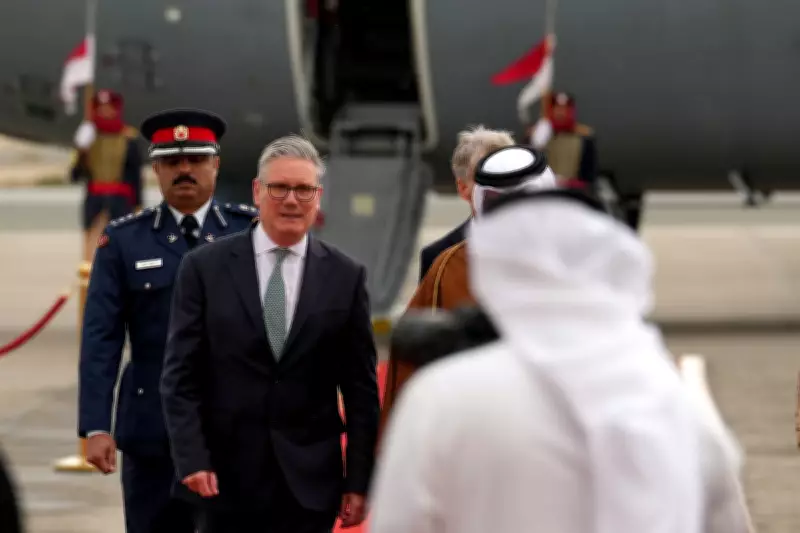
The United States and Iran entered a two-week ceasefire on Tuesday, facilitated by diplomatic efforts from Pakistan, which is scheduled to host negotiations over the weekend. Prime Minister Starmer has been touring Gulf allies to discuss supporting what he described as a "fragile" truce.
During his visit, Sir Keir advocated for America's continued membership in NATO, asserting it serves US "interests" while emphasizing that European members must strengthen their commitment. This statement came in response to President Trump's heightened threats to withdraw from the military alliance following resistance from some member countries to his initial demands for assistance in reopening the strait.
Sir Keir remarked, "We're very strong supporters of NATO and I've been making the argument for some considerable time that we need to do more." He added that NATO has "kept us much safer than we would otherwise have been."
Economic Impacts and Political Frustrations
The Prime Minister expressed frustration over rising costs for British families and businesses due to increased global oil prices following the strait's closure. He stated, "I'm fed up with the fact that families across the country see their bills go up and down on energy, businesses' bills go up and down on energy, because of the actions of Putin or Trump."
He emphasized that allies share a strong consensus against any tolling or restrictions on ships passing through the Strait of Hormuz as part of the ceasefire agreement. President Trump echoed these concerns on his Truth Social platform, warning Iran against charging fees and criticizing their management of oil transit through the strait.
Regional Tensions and Future Prospects
The ceasefire faced immediate challenges as Israel's bombardment of Beirut led Iran to close the shipping lane again, amid disputes over whether Lebanon was included in the agreement. However, Israeli Prime Minister Benjamin Netanyahu announced on Thursday that he had authorised direct talks with Lebanon aimed at disarming Iranian-backed Hezbollah militants and establishing bilateral relations.
As he concluded his Gulf tour, Prime Minister Starmer warned that the conflict would "define us for a generation" and highlighted a shared desire among allies to collaborate closely on defence and economic resilience. He noted, "It's very important we do that together. It's a big opportunity as well for the United Kingdom."

Downing Street confirmed that during his Middle East visit, Sir Keir discussed with UAE President Sheikh Mohamed bin Zayed Al Nahyan the need to restore the free flow of goods to support global supply chains. He also expressed solidarity with the UAE and condolences for lives lost due to Iran's actions. In discussions with Bahraini leaders, he reiterated the importance of upholding the ceasefire to pave the way for lasting peace, and he thanked Pakistani Prime Minister Shehbaz Sharif for his crucial role in securing the two-week ceasefire.