Lebanese Expats in UK Fear for Families as Israel Intensifies Lebanon Strikes
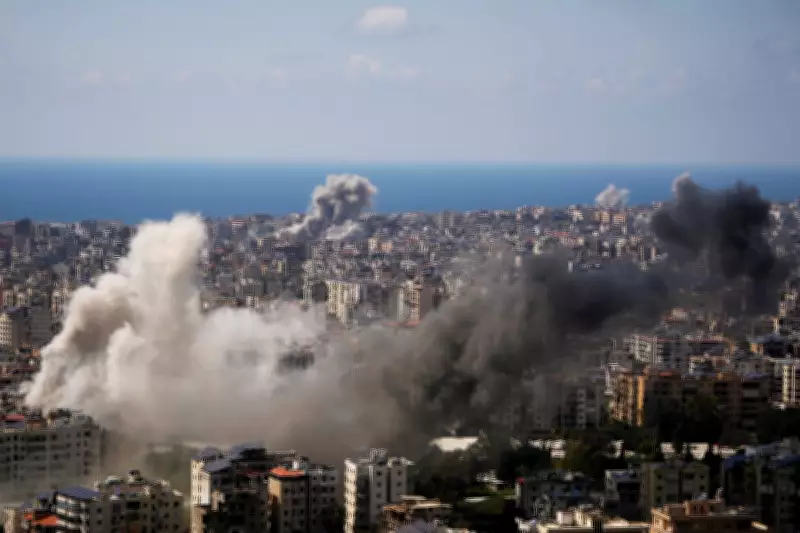
While the world celebrated a US-Iran ceasefire announcement, Lebanese expatriates in Britain faced devastating news: Israel's bombardment of their homeland would continue unabated. The Israel Defense Forces launched their largest strikes yet on Lebanon this week, causing hundreds of casualties according to Lebanese health officials.
'No Mercy' for Lebanese Civilians
Sara Roddis, a Coventry resident with most of her immediate family in southern Lebanon, described being "ill with stress" for the past month. "I cry every day," she told The Independent, expressing terror that loved ones might die in the attacks. "There's just no mercy, there's no looking at civilians as civilians, there's no regard for international law."
Although US President Donald Trump announced a two-week ceasefire between the US and Iran late Tuesday, Israeli Prime Minister Benjamin Netanyahu clarified that the agreement would not include Hezbollah in Lebanon. Israel subsequently suspended attacks on Iran while intensifying strikes in Lebanon.

Historical Context of the Conflict
Hezbollah, an Iranian-backed militant group and political party proscribed as a terrorist organisation in the UK since 2019, formed in response to Israel's 1982 invasion of Lebanon. The group played a significant role in Israel's withdrawal from its 18-year occupation in 2000 and sparked the 2006 Lebanon War through border ambushes.
Hostilities escalated dramatically in October 2023 when Hezbollah launched missile attacks against Israel in support of Hamas in Gaza. Following the US-Israel invasion of Iran and killing of Supreme Leader Ali Khamenei on February 28, Hezbollah retaliated with rocket strikes on March 2, prompting Israel's current heavy airstrikes.
Human Cost and Personal Trauma
The conflict has killed more than 1,500 people in Lebanon, including 130 children, while forcing over 1 million to flee their homes. For expatriates like Roddis, news reports feel "very sanitised" compared to the reality of knowing the streets, shops, and schools now destroyed.
Roddis's family lost their home and shop in Tyre during a 2024 attack, with approximately 20 relatives now sharing two rooms in student accommodation. "It's heart-wrenching," she said, describing the helplessness of sending money while fearing for family safety daily.
Constant Vigilance and Political Monitoring
"Not many people can relate to the sheer horror and terror of having to constantly scan the news for reports of attacks that might have targeted your family," Roddis explained. She follows Israeli politics closely to understand threats against Lebanon, including warnings about permanent occupation and turning Beirut "into Khan Younis" as seen in Gaza.
The IDF stated it operates in Lebanon "as part of the operation against the Hezbollah terrorist organisation" and claims to "minimise harm to civilians" unlike Hezbollah, which they accuse of using civilians as human shields.
Another Expat's Perspective
Hayfaa Jawhar, a Lebanese expat in the UK for 20 years, expressed disappointment that Lebanon was excluded from ceasefire negotiations. With her mother and sister living near Beirut suburbs, she lives in "total fear," constantly checking reports and calling to ensure family survival.
Her 63-year-old mother abandoned her home due to "the power of the rockets, the sounds, the voices, the fear of a missile hitting the wrong target." Having experienced the 2006 Lebanon War firsthand, Jawhar described rocket sounds as "horrifying."
Exhaustion and Desperation for Peace
Jawhar noted Lebanese people were "distraught but not surprised" by the continued exclusion from peace talks. "Lebanon was not really discussed that much, it was not on the negotiation table," she lamented.
"We expect that things are going to remain as they are - assassinations, sudden threats, sudden bombing. It doesn't seem like anything is going to change," she continued. "Lebanese people are tired. They are sick of the situation; they want a solution. They want to live peacefully."
The emotional toll on British-Lebanese families continues to mount as they watch from afar, powerless to protect loved ones caught in a conflict with no end in sight.